Low GI foods for weight loss – The glycaemic index
Written by:
-4.png&w=3840&q=75)
20 Feb 2026 • 9 min read
Reviewed and fact-checked:

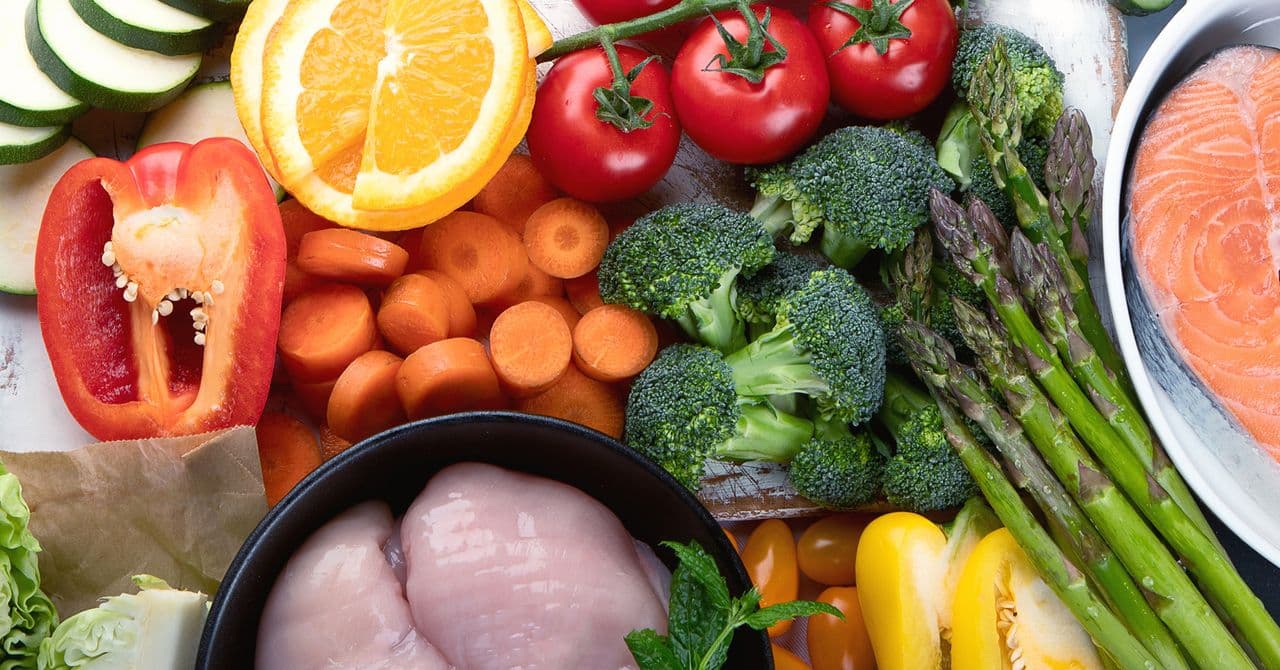
Low glycaemic index (GI) foods release sugar into your bloodstream slowly, helping to keep energy levels steady and hunger more manageable throughout the day. Instead of sharp spikes and crashes, they support more balance, making it easier to stay in control of your appetite.
In this guide, we explain what the glycaemic index is, why it can support your weight loss goals, and how to bring more low GI foods into everyday meals in a way that feels realistic and sustainable.
Key points:
- GI measures how quickly carbohydrates raise blood glucose levels.
- Low GI foods digest more slowly, supporting appetite control and steadier energy.
- Choosing low GI foods can help with both diabetes management and weight loss.
What is the glycaemic index (GI)?
The glycaemic index, GI for short, is a way of rating carbohydrates in food according to how quickly they raise blood sugar levels after eating. It uses a scale from 0 to 100, with pure glucose valued at 100 as a reference point.
Low GI foods (55 or less) raise blood sugar more slowly than medium GI foods (56–69) which have a moderate effect, while high GI foods (70 or more) cause a faster rise.
Simply put, low GI foods help you feel fuller and more energised for longer while high GI foods are more likely to cause energy dips and bring the feeling of hunger back sooner.
What influences GI?
Several factors affect how high or low a food’s GI is:
- The type of carbohydrate: Some carbs break down more slowly than others, leading to a slower rise in blood sugar levels
- Fibre content: High-fibre foods are digested more slowly and tend to have a lower GI as a result
- Food processing and cooking: Heavily processed foods and foods cooked until very soft tend to have a higher GI
- Ripeness: Riper fruit is generally higher on the GI scale than less ripe fruit because its sugars can be more easily absorbed into the bloodstream
- Food combinations: Carbohydrates eaten alongside protein, fat and/or fibre are absorbed into the bloodstream more slowly, which can lower the blood sugar response to a meal
How is GI calculated?
A food’s GI level is calculated by giving people a portion of food that contains a set amount of carbohydrates, then measuring how their blood sugar rises over the next two hours. That response is compared with a reference food – usually pure glucose or sometimes white bread – and the result becomes the food’s GI score.
It’s worth bearing in mind that any given GI score is an average based on a range of results from different people. Your own blood sugar response can be slightly different depending on things like your gut health and what else you eat at the same time – this is why GI works best as a helpful guide and not a hard-and-fast rule.
What are the benefits of low GI foods?
Low GI foods are often recommended because they help keep blood sugar levels more stable after meals. Instead of sharp rises and crashes, they support a slower release of energy, which can help you feel more satisfied between meals.
This is why low GI eating helps control your appetite control and keeps energy levels steady. It’s also why low GI foods are often recommended for both diabetes management and weight control.
Ayesha Bashir, myBMI weight loss expert
Diabetes management
Because low GI foods reduce sharp rises in blood sugar levels, they’re often recommended for people with diabetes. By releasing glucose more slowly, they can support steadier blood sugar levels throughout the day.
Weight management
Low GI foods can support weight loss because they help you feel fuller for longer, reducing the urge to snack between meals. Their steadying effect on blood sugar can also make it easier to manage cravings.
Long-term energy and energy storage
Low GI foods also provide a more sustained release of energy rather than the quick burst followed by a crash that you get with high GI foods – this helps support steady energy levels throughout the day.
Some examples of low GI foods and their GI score (out of 100)
Low GI foods are mostly whole and unprocessed, and they’re easier to include in everyday meals than you might think.
Here are a few examples of low GI vegetables, fruits and protein:
Non-starchy vegetables:
- Spinach – 15/100
- Broccoli – 15/100
- Carrots – 30/100
- Peppers – 15/100
- Mushrooms – 15/100
- Brussel sprouts – 15/100
Low GI fruits
- Green apples – 36/100
- Strawberries – 25/100
- Pears – 30/100
- Peaches – 35/100
- Avocado – 10/100
- Cherries – 20/100
Low GI Proteins
- Chicken – 0/100
- Fish – 0/100
- Eggs – 0/100
- Beef – 0/100
- Turkey – 0/100
How does protein affect the GI score of a food?
Eating protein alongside high GI foods can lower the overall impact the meal has on your blood sugar levels.
This is because protein takes longer to digest, which slows down how quickly carbohydrates are absorbed into the bloodstream. When you pair fast-digesting carbs with protein, like rice with chicken, you tend to get a smaller blood sugar spike. resulting in steadier energy and a fuller feeling.
How do low GI foods help with diabetes management?
Low GI foods can help people with diabetes because they create a steadier rise in blood sugar after meals, which can feel easier to manage day-to-day.
While GI isn’t the only factor that matters when it comes to managing diabetes, it can be a helpful guide when choosing carbohydrates in a more balanced way.
Here’s why:
Blood sugar control
Low GI foods are digested and absorbed more slowly, which means glucose (sugar) enters the bloodstream at a slower pace. This helps reduce big swings in blood sugar levels and spikes after meals.
Reduces insulin demand
Because low GI foods raise blood sugar gradually, the body doesn’t need to release as much insulin all at once. This may help to make blood sugar levels easier to control over time.
Appetite control
Low GI foods take longer to digest, leading to a slower release of energy. This longer digestion period helps to increase feelings of fullness after meals – reducing short-term hunger pangs and the urge to snack soon after eating.
How low GI foods and knowing the glycaemic index aid weight loss
Many of the benefits of low GI foods that support diabetes management can make weight loss feel easier too.
When blood sugar levels are more balanced, energy levels are steadier, and appetite is reduced, supporting better calorie control over time.
Understanding the GI score in your food isn’t about restriction; it’s about choosing a diet that helps your body work with you rather than against you.
Ayesha Bashir, myBMI weight loss expert
Here’s why prioritising low GI foods helps:
Reduces food cravings (controls appetite)
Low GI foods help reduce the sharp rises and falls in blood sugar that often trigger sudden hunger. With fewer energy crashes,; you’re less likely to reach for quick snacks just to feel better. This steady pattern can also reduce reactive eating, where you eat not out of real hunger but to fix a dip in energy or mood.
Improves fat metabolism
By helping to keep insulin levels more stable, low GI foods can create better conditions for the body to use fat for energy rather than storing it (improving fat metabolism). Over time, this can make fat utilisation more efficient and weight loss easier to maintain.
Frequently asked questions
What is considered a low GI score?
A low GI score is 55 or less. Foods with a GI score under 55 raise blood sugar slowly and steadily rather than causing sharp spikes.
Are all low GI foods suitable for weight loss?
Not always. Some low GI foods can still be high in calories or fats, so portion size and balance still matter when it comes to weight loss.
Does portion size matter alongside GI?
Yes. Even low GI foods can affect blood sugar and weight if eaten in large portions.
What is the difference between glycaemic index (GI) and glycaemic load (GL)?
GI measures how fast a food raises blood sugar, while GL also takes portion size into account. Because of this, GL tends to give a more accurate picture of a food’s overall impact on blood sugar than GI.
Can a food be low GI but still high in calories?
Yes. Foods like nuts, oils and some dairy products are low GI but high in calories, so portion control is still important when adding them into your diet.
Is GI more important than calories for weight loss?
Calories still matter most when it comes to weight loss, but low GI foods can make it easier to control your calorie intake by increasing how full you feel after meals.
How does GI apply to mixed meals rather than individual foods?
GI is measured on single foods eaten alone, but most meals contain a mix of carbohydrates, protein, fat and fibre. When foods are combined, digestion slows down and the overall blood sugar response is usually lower than the GI of a single food on its own. This means the GI of a whole meal is often gentler and more balanced than the GI values of its individual ingredients.
Can cooking methods change the GI of a food?
Yes. Longer cooking and more processing often raise GI, while gentler cooking and less processing usually help to keep it lower.
Sources:
- What is a low-GI diet? Good Food. [Accessed 19/01/2026]
- Glycaemic index and diabetes. Diabetes UK. [Accessed 19/01/2026]
- Glycemic Index. ScienceDirect. [Accessed 19/01/2026]
- Glycemic Index Guide. Glycaemic Index Guide. [Accessed 19/01/2026]
- Do low glycaemic index or low glycaemic load diets help people with overweight or obesity to lose weight? Cochrane. [Accessed 19/01/2026]