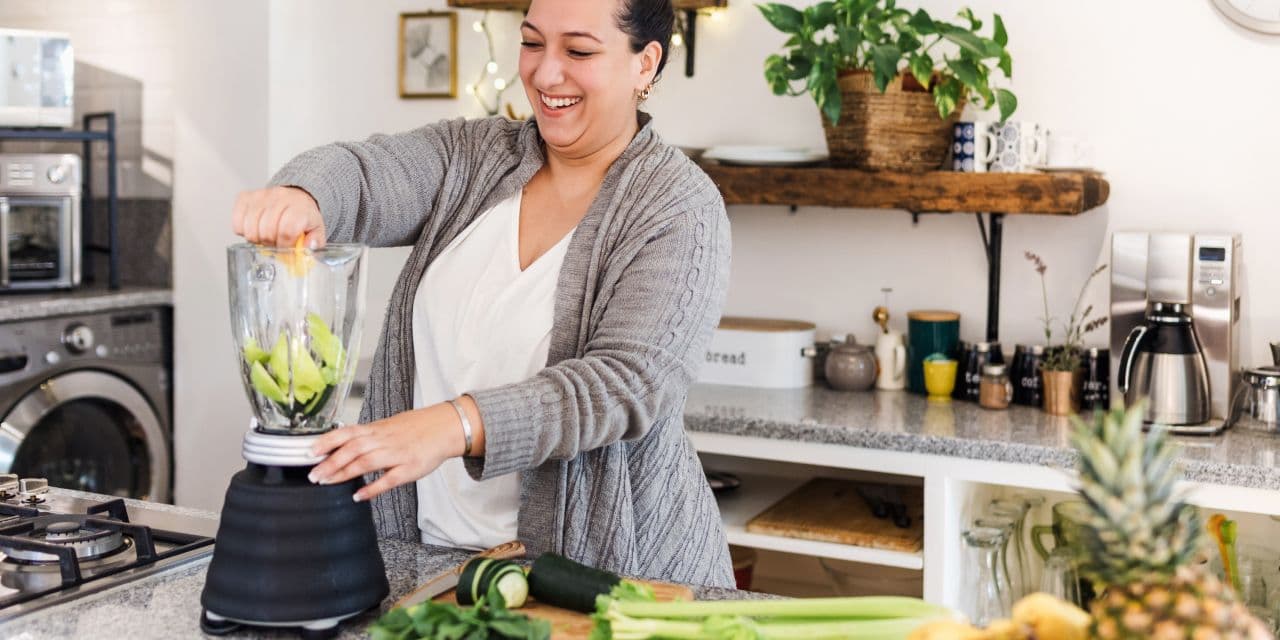
How to enjoy social events and special occasions during maintenance
Written by:
-4.png&w=3840&q=75)
20 Feb 2026 • 9 min read
Reviewed and fact-checked:

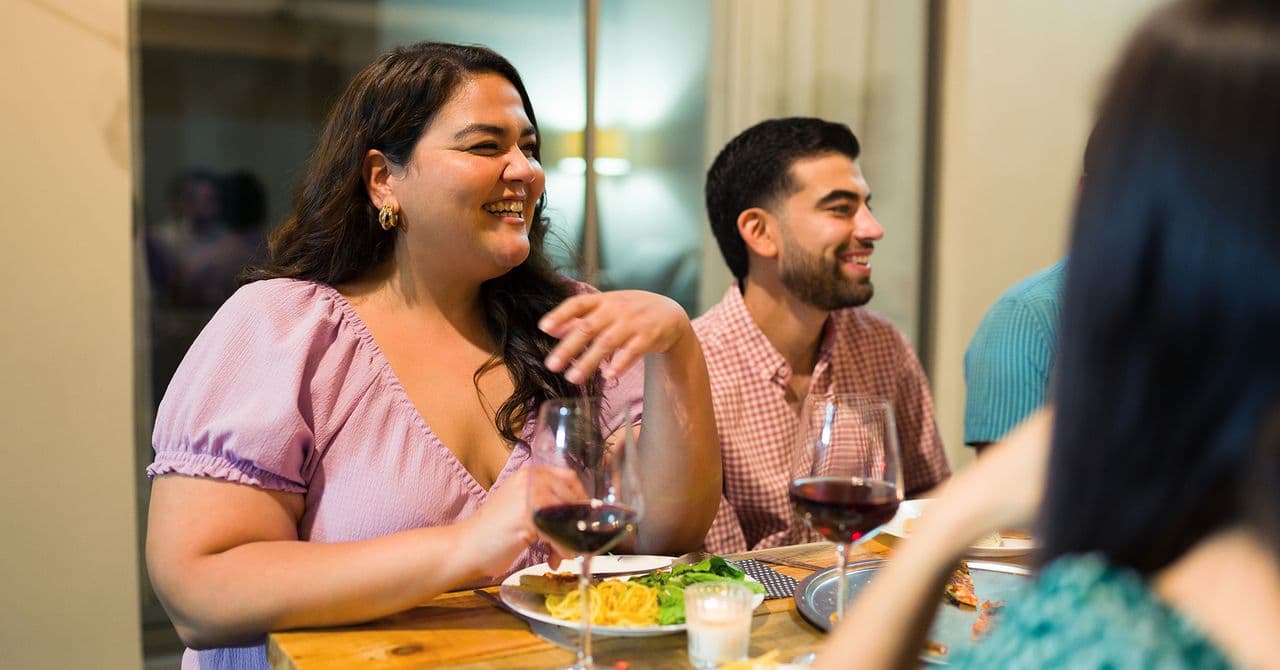
Losing weight is a big accomplishment. Still, it’s normal to feel anxious during maintenance, especially at celebrations or social events where it’s harder to keep track of what you eat and drink.
Maintaining your weight after all your hard work is about being flexible, not following strict rules. This applies to celebrations, too – you can fit maintenance into your life without giving up on your progress.
This guide will help you enjoy your social life, including celebrations, holidays, eating out, and drinking alcohol, without guilt. You’ll learn how to meet your maintenance goals and manage normal daily weight changes.
Why your social life still matters in maintenance
Your social life is just as important during maintenance as it was before. It’s a big part of who you are, and making healthy choices doesn’t mean you have to give up the things that make you happy.
Research shows that too much food advice can make people feel guilty about what they eat, especially following social media “thinfluencers” or fitness channels.
By now, you’ve probably learned that weight management is more about making healthy lifestyle changes than following strict rules. That said, it’s understandable if you’ve felt the need to avoid certain foods or set strict limits to keep seeing results, as you probably had to be more strict than usual during your weight-loss journey.
Now, maintenance is about finding balance, not avoiding things altogether. You don’t have to miss out on time with friends and family; they are an important part of your support system.
Practical strategies for events and parties
You don’t need to duck the party or swerve the buffet. A little planning and a mindset shift go a long way towards helping you enjoy social events without unnecessary guilt or throwing your maintenance off balance.
The key is to think about what “enjoyment” means to you and to reframe it. Food and drink can make a party more fun, but focusing on conversations, time with loved ones, shared jokes, and dancing can be just as enjoyable. You don’t have to judge the amount of fun you have by how much you eat or drink.
If you eat mindfully by slowing down and noticing the texture, taste, and smell of your food, you might also find you’re satisfied with smaller portions of treats or birthday cake.
These tips can help you enjoy a party without putting a dent in your maintenance plan:
- At the buffet, load your plate with protein and veggies before adding smaller servings of the foods you really want to enjoy.
- Chew your food slowly and mindfully and stop when you feel satisfied rather than uncomfortably full. This allows you to sample more things you want to eat.
- If you’re at a party that offers alcohol and you want to drink, sip it slowly and make every other drink a glass of water. Alcohol might affect people on weight loss medications differently to those who aren’t.
- Staying hydrated also helps because water can make you feel full, so you’re less likely to go back for seconds.
Navigating festive periods and holidays
During the holidays, whether you’re enjoying a big Christmas dinner or a plate of latkes and doughnuts for Chanukkah, it can be tough to avoid food-focused gatherings. You shouldn’t have to avoid celebrations, but if you feel nervous about them during maintenance, you’re not alone.
From family favourites to festive foods with religious significance, many holiday foods are loaded with personal and cultural meaning. Plus, you might wait all year for your grandma’s pigs in blankets and Christmas pudding, or Bubbe’s homemade strawberry doughnuts.
So before you turn up (or before family chaos descends on your house), have a think about the most appealing or meaningful foods you can’t do without over the holidays. Enjoy these special treats, but free yourself from the feeling that you need to eat everything just because it’s on the table.
You’ve put in so much hard work to get here that one meal isn’t going to derail your weight management plan, but constantly snacking, having chocolate and big meals may slow your progress down.
Enjoy the moment and spend time with the people you care about. Most importantly, trust yourself to get back on track with your maintenance once things return to normal.
Alcohol and maintenance
Alcohol isn’t exactly helpful during weight loss treatment, because it contains empty calories.
Managing alcohol without sacrificing progress is possible, as long as you’re mindful about how and when you drink. After being on a weight loss programme, your tolerance for alcohol and your feelings about it might have changed. You may feel okay with less alcohol, and you might now realise that alcoholic drinks add many calories to your diet but not much nutrition.
Ayesha BashirPrescribing Pharmacist
Don’t feel pressured to drink alcohol every time you go out. It can feel like you have to drink when you go out, but after all your progress, you can trust yourself to know what’s right for your body. You might not miss it as much as you expect, and you may find you enjoy spending time with friends even without a drink.
If you have a healthy relationship with alcohol and decide to drink, take it slow. Alternate alcoholic drinks with water, lime and soda or a non-alcoholic option. This way, you stay hydrated and enjoy the flavours you like without worrying about hangovers or losing track of your maintenance goals.
General advice says it’s not healthy to drink more than 14 units of alcohol a week, which is about six pints of average-strength beer or ten small glasses of low-strength wine. Your weight management plan might differ from this advice, so check with your GP about what’s safe for you.
Helpful do's and don’t's for social occasions
What helps
- Start your meal with protein. Kicking off a meal with a protein source like salmon or turkey can help you feel fuller, which can reduce the risk of overindulging in sides and desserts.
- Stay hydrated during events. Drinking water can help you feel full since your body sometimes confuses thirst with hunger. This is helpful whether you’re drinking alcohol or not; if you are, having water between alcoholic drinks can help you drink less and stay aware.
- Focus on your favourite foods. You don’t have to try everything. Instead, focus on the foods you enjoy most and skip the rest. If your aunt’s pavlova or your wife’s salted caramel blondies are your favourites, save your appetite for those instead of foods you don’t love as much.
- Planning a gentle return to routine the next day. A day of loving self-care, starting with a walk and returning to your usual eating pattern while staying well hydrated, can gently nudge you back on track. It’s not a punishment, you’re just maintaining the routine that feels best for you.
What to avoid
- Restricting or skipping meals before events. You might think this balances out the calories you plan to eat at an event, but it only means you’ll arrive hungry, so you risk eating too quickly and having foods you wouldn’t otherwise. Instead, eating a small high-protein snack before you arrive may help you be more deliberate about what foods you eat at the event.
- Labelling foods as good or bad. Good and bad are in your head; food is simply food, and what’s more important is maintaining a healthy, guilt-free relationship with it. When approached with mindfulness and intent, all foods can fit into a flexible maintenance plan.
- Weighing yourself immediately after social occasions. This won’t give you an accurate picture of your weight, because it will naturally spike after an event. This is not because of fat; your body will hang onto more water because of carbs, salt, and alcohol you’ve consumed. Wait two or three days before weighing yourself to avoid reading into temporary water weight.
- Reacting to temporary scale changes. Weight naturally fluctuates, and what really matters is the long-term pattern of your body weight. A temporary weight increase doesn’t mean much. It’s natural to worry about a higher number, but have patience and return to the routine you trust. You can always adapt to a day of high calorie intake by making small adjustments over the following weeks if your long-term weight starts to increase.
Getting back into routine the day after
If you wake up the day after a celebration and feel guilty, know that one social gathering won’t reverse your progress. Your relationship with food is an ongoing project, but once it’s in a healthy place, you’ll be able to bounce back from celebratory meals without guilt.
There are a few things you can do to feel better the day after a social event with more food or alcohol than usual:
- Water is key. Drinking water can help you feel better regardless, but if you’ve had alcohol, consider adding an electrolyte powder. This can support more efficient hydration and help you recover more quickly.
- Move around. A short walk, a light home workout, or some chores around the house that get you moving (like gardening or cleaning) can help restore your digestive system's routine.
- Eat all your regular meals. Your balanced, nutritious diet should be back on the day after a celebration. If your planned meals feel like punishment or you’re thinking about skipping a meal, you might feel hungrier and overeat.
- Be mindful of your food choices. Getting back into your routine is vital, but if you’re tired, drained, or hungover, you might be tempted by a greasy takeaway or more alcohol. Following the steps above can help you make the best choices throughout the day and avoid making impulsive choices driven by tiredness or dehydration.
If you feel extreme guilt after celebrating or feel like your relationship with food needs more work, ask your GP or dietitian for support.
Sources:
- A Review of Food-Related Social Media and Its Relationship to Body Image and Disordered Eating. (2025). MDPI Nutrients. [Accessed on January 30, 2026]
- Alcohol units. (2024). NHS. [Accessed on January 30, 2026]
- Food Fact Sheet: Mindful Eating. (2025). British Dietetic Association. [Accessed on January 30, 2026]
- Ideas to help you feel full. (n.d.). NHS. [Accessed on January 30, 2026]