The importance of hydration for weight loss
Written by:
-4.png&w=3840&q=75)
24 Apr 2026 • 10 min read
Reviewed and fact-checked:

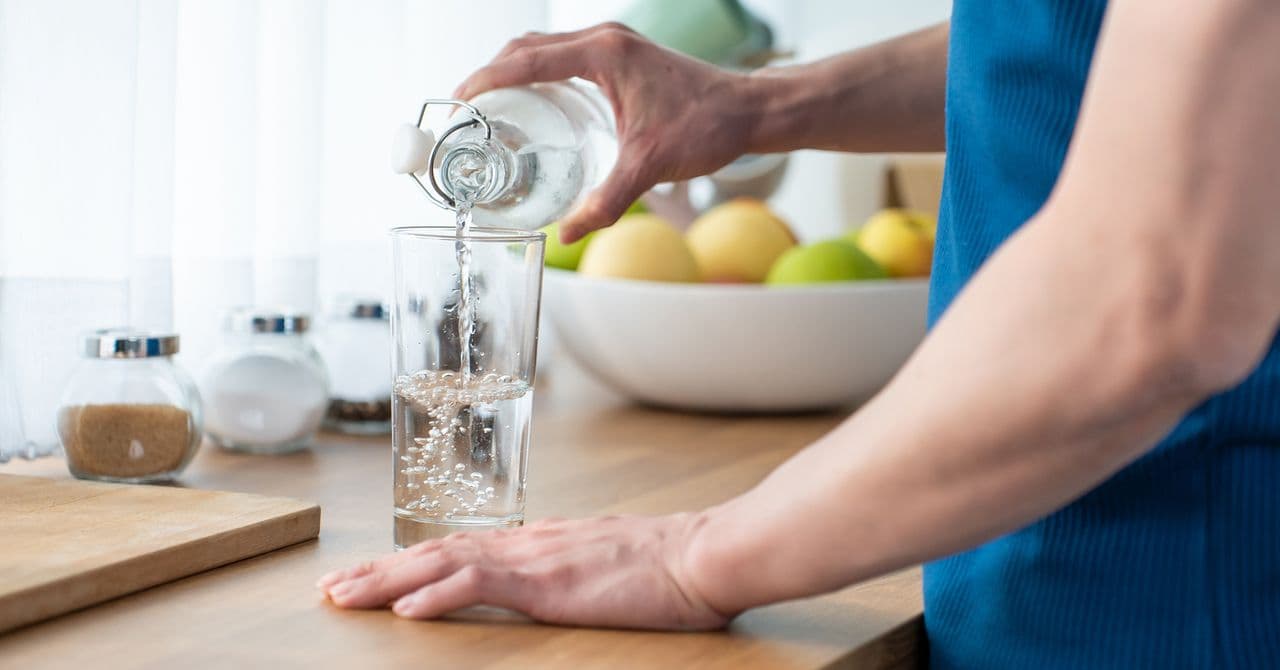
Drinking enough water is important for everyone, but if you’re on a weight loss journey, staying well hydrated can help with appetite control, energy levels, and digestion.
Here, we explain how much water to drink while losing weight, why hydration matters, and which drinks can support your daily fluid intake.
Key points
- Staying hydrated can help you feel fuller and may reduce unnecessary snacking.
- Water supports normal metabolism and helps your body process nutrients efficiently.
- Choosing water instead of sugary drinks can help lower your daily calorie intake.
Why is hydration important?
Hydration is important because your body needs water to function properly. Water helps support many essential processes, including:
- transporting nutrients around the body to the organs and tissues that need them
- removing waste products through urine
- supporting normal muscle and nerve function, which helps organs work properly
- regulating body temperature
- helping your body digest food and absorb nutrients
If you do not drink enough fluids, it can lead to dehydration. Even mild dehydration can cause symptoms like thirst, headaches, dizziness, tiredness, and difficulty concentrating. Drinking fluids regularly throughout the day helps keep your body working as it should.
How much water should you drink a day?
Generally, the NHS recommends drinking at least six to eight 200-ml glasses a day. This will help you stay hydrated.
However, the exact amount of water to drink daily changes and depends on several factors, including:
- sex
- age
- size
- overall health status
- pregnancy
- the climate where you live
- how much you exercise
- your overall diet
It can help to use your urine as a guide. You should drink enough water so that your urine is clear and yellow. If it’s darker, you might need to drink more fluids.
How much water should a woman drink?
The European Food Safety Authority recommends that women drink around 1.6 litres, or 8 200-ml glasses, of water every day. However, they’ll need to increase their intake during pregnancy.
How much water should men drink?
The ideal water intake for men is around 2 litres, or 10 200-ml glasses a day.
How much water is too much?
Yes, it is possible to drink too much water. This is called overhydration or water intoxication, and it happens when fluid intake is so high that it dilutes sodium levels in the blood.
Sodium is an important electrolyte that helps regulate fluid balance and nerve function. When sodium levels drop too low, it can lead to a condition called hyponatraemia, which in severe cases can be dangerous.
This usually only happens when very large amounts of water are consumed in a short period of time, such as during endurance events or intense exercise without replacing electrolytes.
Signs you may be drinking more water than your body needs include:
- very frequent urination
- clear, colourless urine all the time
- feeling bloated or nauseous
For most people, the safest approach is to drink water regularly throughout the day and respond to thirst, rather than forcing large amounts of water at once.
| Women | Men | |
|---|---|---|
| Optimal water intake | 1.6L | 2L |
| Cups equivalent | 6.5 - 8 cups | 8 - 10 cups |
Why drinking water and staying hydrated is vital for weight loss
Staying hydrated is always important, but it can provide some additional benefits if you’re trying to lose weight.
Reduces appetite
Staying well hydrated can help support appetite control during weight loss. Sometimes the body confuses thirst with hunger, which means you might reach for food when what you need is water. Keeping your fluid intake up can help prevent this and make it easier to manage portion sizes.
There is also some evidence that drinking water before a meal may help you feel fuller. This can make it easier to eat slightly less during the meal without feeling deprived.
Aids digestion
Your saliva is mostly water, which helps moisten and soften food and start the digestion process as you eat. Water also works with the fibre in your diet to keep your bowel movements regular and helps your body absorb the nutrients from your food.
Staying hydrated also supports a process called lipolysis, which is how your body breaks down stored fat to use as energy. This is an important part of how weight loss happens.
Some research also suggests that drinking water may slightly increase the number of calories your body burns. This is because your body needs to use a little energy to warm the water up to body temperature.
Water storage
Your body naturally stores and releases water throughout the day. This is often called water weight, and it can fluctuate regularly depending on things like hydration, salt intake, hormones, and activity levels. In some cases, your weight can change by up to 5 lbs from water alone, making it harder to see what’s really happening with fat loss.
Improves exercise performance
Exercise is a vital part of any weight management plan, and drinking enough water helps ensure you stay safe and active. During exercise, you sweat more. This means you need more water to keep working at a level that keeps you burning calories.
As you lose sodium and other minerals through sweating, hydrating with an electrolyte drink or water with electrolyte powder dissolved in it can help replace the fluids and minerals lost during exercise.
However, electrolyte drinks are not necessary for everyone and are usually only helpful after longer or more intense workouts. If you have kidney problems or certain medical conditions that affect fluid or mineral balance, you should speak to a healthcare professional before using electrolyte supplements.
What drinks are best for hydration?
Water is best for hydration, but it’s not your only option. All non-alcoholic drinks can hydrate you, and milk and fruit juices also provide crucial vitamins and minerals. High-water foods, like watermelon or cucumber, all add to your intake.
It’s best to limit or avoid sugary drinks where possible. But if you’re working out for a long time or on a hot day, a sports drink might be best for replacing the fluids you lose in sweat. Always check how much sugar these contain first!
How much caffeine should you drink a day?
The NHS recommends consuming no more than 600 mg of caffeine daily. That’s equal to 6 mugs of brewed coffee or just over 12 cups of tea.
Does coffee hydrate you?
Coffee is mostly water, so it still contributes to your daily fluid intake and can help with hydration. Although caffeine has a mild diuretic effect, research shows that moderate coffee consumption does not significantly dehydrate most people.
However, caffeine can add up throughout the day. If you’ve already reached your daily caffeine limit, switching to decaf coffee or other non-caffeinated drinks may be a better option.
Does tea count as water intake?
All types of tea count toward your daily fluid intake, from black to green. Be aware of caffeine content and try to limit the amount of milk and sugar you add. These can add extra calories that might interfere with your weight loss plan.
Is it best to avoid caffeine?
You don’t need to avoid caffeine completely if you enjoy your morning coffee. Drinks like tea and coffee still contain water, so they can contribute to your daily fluid intake.
However, caffeine can stimulate the body and may make you pass urine more often, especially if you’re sensitive to it or drink large amounts. For most people, the key is simply moderation, so try to balance caffeinated drinks with water throughout the day.
Does sparkling water hydrate you?
Yes. Sparkling water hydrates you just as well as still water. The bubbles don’t change how your body absorbs the fluid, so it still counts towards your daily hydration.
If you find plain water a bit boring, sparkling water can be a good way to drink more fluids throughout the day. Just try to choose options without added sugar or sweeteners where possible.
Is sparkling water good for weight loss?
Sparkling water supports weight loss in the same way as regular water – keeping you hydrated and helping you feel fuller.
Is lemon water good for weight loss?
Lemon water won’t cause additional weight loss compared with plain water, but it can still support your weight loss efforts by helping you stay hydrated.
Adding lemon or other citrus fruits can also give your drink a boost of flavour and provide small amounts of nutrients, particularly vitamin C. For some people, this can make it easier to drink more water throughout the day.
Other benefits of drinking water for weight loss
Staying well hydrated can also have indirect benefits that support you on your weight-loss journey. It supports skin and mental health, reduces your risk of certain diseases, and helps improve joint mobility.
Hydration and loose skin
Research suggests that staying hydrated is important for maintaining healthy skin. When you lose weight quickly, folds of loose skin can develop. Staying hydrated can help you protect your skin during this time.
Cognitive and emotional health
Weight loss can be mentally and emotionally challenging, so looking after your overall well-being is important. Staying hydrated may play a small role in supporting mood and mental function. Some research suggests that people who drink at least 2 glasses of plain water a day may have a lower risk of depression.
Dehydration can also affect how you feel and think. Even mild dehydration has been linked to symptoms such as irritability, fatigue, headaches, and difficulty concentrating, which can make day-to-day life feel harder.
Disease prevention
Staying well hydrated prevents health problems linked to ongoing dehydration, like kidney disease, heart disease, and severe or long-term constipation. It can also reduce your risk of some diabetes complications if you live with diabetes, like diabetic ketoacidosis.
Keeping health problems at bay as much as you can gives you the time, energy, and overall health to focus on the benefits of weight loss.
Joint and tissue health
Being well hydrated keeps the joints lubricated and moving as they should. This can support your weight-loss journey by helping you avoid injury as you increase your physical activity.
Sources
- Caffeine. (n.d.). NHS. [Accessed February 11, 2026]
- Dietary water affects human skin hydration and biomechanics. (2015). Clinical, Cosmetic and Investigational Dermatology. [Accessed February 11, 2026]
- Drinking plain water is associated with decreased risk of depression and anxiety in adults: Results from a large cross-sectional study. (2018). World Journal of Psychiatry. [Accessed February 11, 2026]
- Good foods to help your digestion. (2023). NHS. [Accessed February 11, 2026]
- Hydration. (n.d.). (British Nutrition Foundation). [Accessed February 11, 2026]
- Hydration & Optimising Fluid Intake. (n.d.). British Association for Nutrition and Lifestyle Medicine. [Accessed February 11, 2026]
- Hydration challenge. (n.d.). British Heart Foundation. [Accessed February 11, 2026]
- Increased Hydration Can Be Associated with Weight Loss. (2016). Frontiers in Nutrition. [Accessed February 11, 2026]
- The Importance of Hydration. (n.d.). NHS Team Prevent. [Accessed February 11, 2026]
- Vitamin C. (2020). NHS. [Accessed February 11, 2026]
- Water, drinks and hydration. (2023). NHS. [Accessed February 11, 2026]
- Water intake, hydration, and weight management: the glass is half-full! (2026). Physiology & Behavior. [Accessed February 11, 2026]
- Water Toxicity. (2023). StatPearls. [Accessed February 11, 2026]