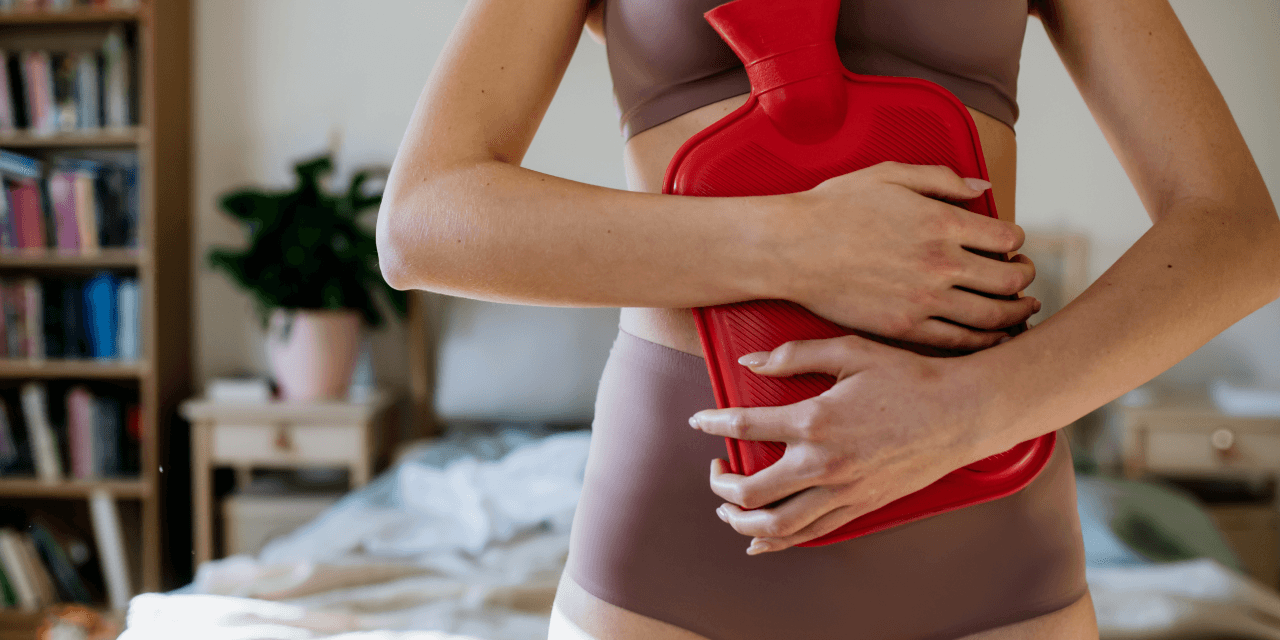
Dealing with Mounjaro diarrhoea
Written by:

09 Oct 2026 • 9 min read
Reviewed and fact-checked:


Diarrhoea is one of the more common side effects of Mounjaro. In clinical trials, around 16% of people experienced it, making it more common than constipation.
Even if you’re mentally prepared for some digestive changes when starting treatment, frequent or urgent trips to the toilet can still be more disruptive than expected. For many people, however, diarrhoea becomes easier to manage as their body adjusts, and simple changes to what you eat and drink can also help.
In this guide, we’ll explain why Mounjaro can cause diarrhoea, what you can do to manage it, and when it’s important to speak to a healthcare professional.
Why does Mounjaro cause diarrhoea?
If your digestion feels a little different since starting Mounjaro, there’s a reason for it. The medication changes how food moves through your digestive system, and for some people, those changes can lead to diarrhoea.
This may be linked to:
- Food moving differently through your digestive system: Mounjaro slows how quickly your stomach empties and can change the way food moves through your gut.
- Changes to bile acids: These naturally occurring substances help your body break down fat, and changes to them may contribute to looser stools.
- Changes within your gut: Early research suggests Mounjaro may affect the microorganisms that naturally live in your digestive system, although we’re still learning about what role this might play.
While side effects usually settle as the body adapts, understanding these processes helps explain why some people may experience diarrhoea while taking Mounjaro, especially when first starting treatment.
How to stop diarrhoea on Mounjaro
If you’re dealing with diarrhoea on Mounjaro right now, there are a few things you can do to help yourself feel better.
- Keep sipping fluids: Diarrhoea can cause you to lose a lot of fluid, so try to drink regularly throughout the day. If you’re feeling nauseous, small, frequent sips may feel more manageable. Oral rehydration solutions from a pharmacy can also help replace lost fluids and salts.
- Eat when you feel able: You don’t need to force yourself to eat, but there’s no need to avoid food altogether either. When you’re ready, simple foods such as rice, bread, pasta or potatoes may feel easier on your stomach. It can also help to avoid fatty or spicy foods until things settle.
- Give yourself time to rest: Diarrhoea and dehydration can leave you feeling tired or drained. Slow things down where you can and give your body some time to recover.
- Ask about short-term relief: Anti-diarrhoea medicines like Imodium may be suitable for some adults, but it’s best to speak to your pharmacist or GP for advice on whether they’re right for you.
If your diarrhoea is difficult to manage, you’re struggling to keep fluids down or you notice signs of dehydration, speak to your myBMI clinical team or seek medical advice. Signs of dehydration can include feeling very thirsty, dizzy or lightheaded, having a dry mouth or passing less urine than usual.
How to prevent diarrhoea on Mounjaro
If you’re regularly experiencing diarrhoea on Mounjaro, getting to know what your digestive system tolerates can help you make it better. You may not be able to prevent every episode, but a few simple habits can help you look after your gut and reduce things that could make symptoms worse.
- Get to know your trigger foods: Are there any specific foods or meals that seem to trigger it? Keeping a simple food and symptom log can make patterns easier to spot, so you can temporarily limit what repeatedly causes problems.
- Keep meals smaller and simpler: Mounjaro reduces your appetite, so there’s no need to push yourself to finish a large portion when you already feel full. Try smaller meals and take your time, stopping when you feel comfortably satisfied.
- Go easy on rich, fatty or spicy foods: If you know your digestive system is feeling sensitive, choosing simpler meals may be more comfortable. For more information, check out our guide on what to eat or avoid while on Mounjaro.
- Stay well hydrated: Make drinking regularly part of your everyday routine, particularly if you’ve already experienced diarrhoea. The official Mounjaro patient information leaflet warns that diarrhoea, vomiting and nausea can cause fluid loss and dehydration, so keeping your fluids topped up is important.
- Stick to your prescribed Mounjaro dose: Don’t reduce, increase or otherwise change your dose yourself because of diarrhoea. The official patient information advises following your prescribed dosing schedule and speaking to your clinician about side effects.
If your diarrhoea keeps coming back, speak up! You don’t have to simply put up with repeated symptoms. If diarrhoea is becoming a regular part of your experience with Mounjaro or is difficult to manage, talk to your clinician so they can advise you on the safest next step.
Dietary adjustments for diarrhoea
Foods to eat when dealing with Mounjaro diarrhoea
When your gut is unsettled, eating the right foods can help calm things down and give your body a chance to recover. Examples include:
- Bananas, rice, applesauce, and toast (also known as the BRAT diet): These foods are easy to digest, which makes them gentle on an irritated stomach. They can also help firm up stools and replace some of the nutrients lost during diarrhoea.
- Lean proteins: Foods like chicken, turkey or white fish are good protein sources without added fat. Lean protein supports recovery after exercise and helps keep your energy up while still being easier on the digestive system than fatty or fried meats.
- Probiotics: These help support a healthy gut balance. You can find them in yoghurt with live cultures, kefir or probiotic supplements. Adding probiotics may help restore balance in your gut microbiome after a spell of diarrhoea.
- Soups: Warm, clear soups and broths are easy to digest and can help you stay hydrated while providing some nutrients. Soups with soft vegetables or a little lean protein are ideal, while creamy or spicy soups should be avoided until symptoms ease.
Foods to avoid while suffering from Mounjaro diarrhoea
When you’re dealing with diarrhoea, some foods and drinks can be harder on your digestive system than others. Temporarily cutting back on these while your stomach settles may help you feel more comfortable:
- High-fibre foods: Fibre is an important part of a balanced diet, but some high-fibre foods can be harder to tolerate when you have diarrhoea. You may find it helpful to temporarily reduce foods such as wholegrains, beans and lentils until your symptoms settle.
- Spicy foods: Chilli and heavily spiced foods can aggravate an already sensitive stomach, so try choosing milder meals for a few days.
- Caffeine and alcohol: Coffee, caffeinated energy drinks and alcohol may make digestive symptoms harder to manage. It’s worth taking a break from them while you’re experiencing diarrhoea and focusing on keeping hydrated instead.
- Foods that leave you feeling bloated: Foods such as broccoli, cabbage, beans and onions can cause gas and bloating for some people. If you notice they’re making you feel worse, give them a miss until your stomach feels more settled.
You don’t need to avoid these foods long term. As your diarrhoea improves, you can gradually return to your usual balanced diet and see what feels comfortable for you.
For more information about what to eat while on Mounjaro, check out this guide.
When should you be see a doctor?
Most of the time diarrhoea caused by Mounjaro is mild and settles down as your body adjusts. But sometimes, it can be a sign that you need medical advice. It’s a good idea to contact your doctor if you notice:
- diarrhoea lasting more than a few days without improvement
- severe or worsening diarrhoea
- signs of dehydration such as dizziness, dark urine or often feeling very thirsty
- blood in your stools or black, tarry stools
- severe stomach pain or cramping that doesn’t ease
Your doctor or pharmacist may be able to suggest adjustments, check for other causes or recommend treatment to ease your symptoms.
“Diarrhoea can be uncomfortable and really disruptive to your day, but you don’t have to just put up with it. Keep your fluids topped up, be gentle with yourself and reach out to your clinical team if you’re struggling. We’re here to help you feel supported throughout your treatment.”
Ayesha BashirPrescribing Pharmacist
What are other side effects of Mounjaro?
Diarrhoea isn’t the only side effect you might experience while taking Mounjaro. Other common side effects include nausea, dizziness, constipation, and vomiting, although everybody’s experience of treatment is different.
For a fuller picture of what you might experience and how to manage it, read our guide to Mounjaro side effects.
Getting support throughout your treatment
Your weight loss journey shouldn’t be something you have to navigate alone. If diarrhoea or other side effects are making treatment more difficult, reaching out for support can help you understand what you’re experiencing and what to do next.
At myBMI, our IMC-registered doctors are with you throughout your treatment, so you can get advice when you need it and feel supported at every step of the way.
Already a myBMI patient?
Speak to your clinician if you’re experiencing diarrhoea or any other side effects. They’re there to listen, offer guidance, and help you manage your treatment safely. Additionally, you can request free side effects treatment as part of your next consultation.
Thinking about starting Mounjaro?
Learn more about our Mounjaro treatment plan and the support available throughout your journey.
Sources
- Tirzepatide-Induced Gastrointestinal Manifestations: A Systematic Review and Meta-Analysis (2023) National Library of Medicine [Accessed September 2026]
- Mounjaro side effects (2024) WedMD [Accessed September 2026]
- Mounjaro side effects: Constipation & diarrhoea (2025) Phlo Clinic [Accessed September 2026]
- Mounjaro (2026) Drugs.com [Accessed September 2026]
- The role of gut microbiota in Tirzepatide-mediated alleviation of high-fat diet-induced obesity (2025) Science Direct [Accessed September 2026]
- Gut microbiome (2023) Cleveland Clinic [Accessed September 2026]
- Mounjaro Diet Plan: What to Eat While on Mounjaro (2026) Healthline.com. [Accessed September 2026]
- What to know about the BRAT diet (2024) Medical News Today [Accessed September 2026]
- Probiotics (2023) Cleveland Clinic. [Accessed September 2026]
- Low Fiber Diet for Diarrhoea (2025) Oncolink.org [Accessed September 2026]
- Why Spicy Food Makes You Poop (2026) Verywellhealth.com [Accessed September 2026]
- 12 foods and drinks that cause gas and how to prevent it (2023) Medical News Today. [Accessed September 2026]
- Diarrhoea and vomiting (2021) HSE. [Accessed October 2026]
- Dehydration (2024) HSE. [Accessed October 2026]
- Mounjaro 2.5 mg solution for injection in pre-filled pen (date unknown) yourmedicines.ie [Accessed October 2026]

-1.png&w=3840&q=75)