Mounjaro Foods to Avoid: Your Mounjaro Diet Plan
Written by:
-4.png&w=3840&q=75)
24 Apr 2026 • 17 min read
Reviewed and fact-checked:

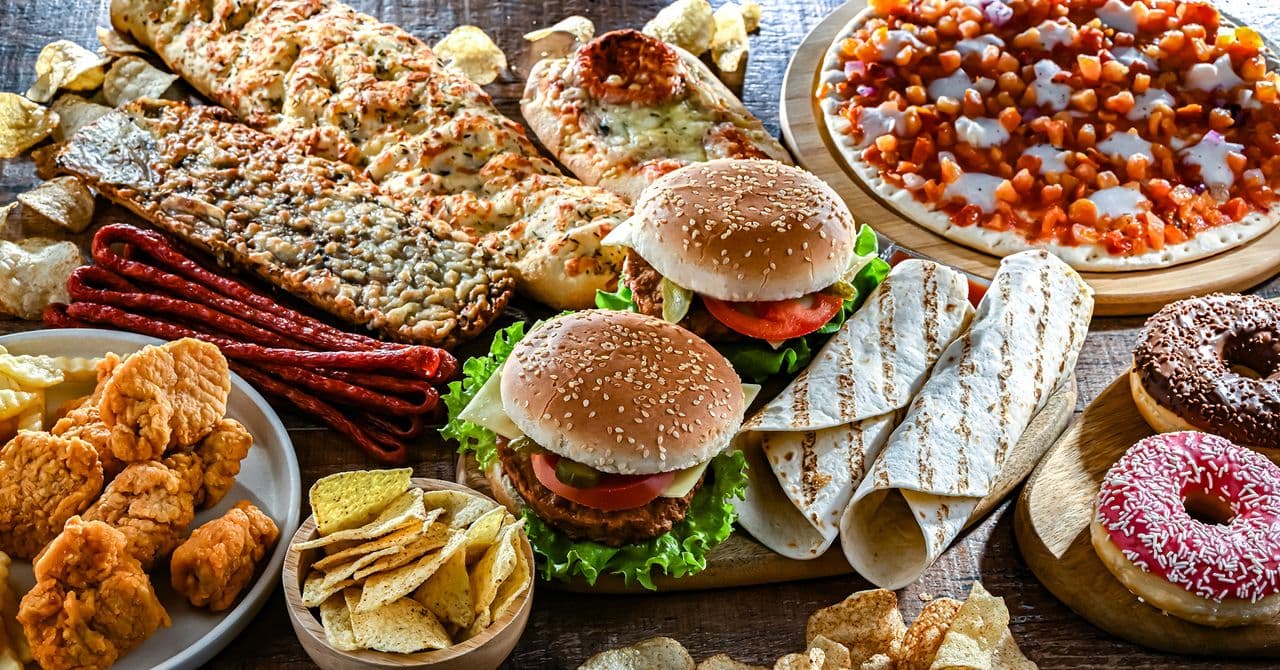
Adopting a sensible, balanced approach to eating that prioritises high-nutrient foods while allowing room for occasional treats is the best Mounjaro diet plan for long-term weight loss.
That said, some foods can make certain Mounjaro side effects worse, like nausea, reflux or bloating.
This guide explains which foods some people struggle with while taking Mounjaro, why these foods cause issues, and how to choose foods that support weight loss without feeling restricted.
Key points
- There are no forbidden foods on Mounjaro, but some foods are more likely to trigger side effects like nausea, reflux, or discomfort.
- Large portions and foods high in fat and sugar are particularly likely to worsen or cause side effects on Mounjaro.
- A sustainable Mounjaro diet should focus on easily digestible foods, prioritising protein, fibre, vitamins, and minerals.
Are there foods you should avoid on Mounjaro?
Foods high in fat or sugar, large portions, and alcohol can all trigger or increase Mounjaro side effects like acid reflux, bloating, or stomach pain, especially when you first start treatment or move up a dose.
You may also notice that some foods sit differently with you than they did before, as Mounjaro can change how your body responds to what you eat.
This isn’t the same for everyone, and different foods affect people in different ways. The best approach is to pay attention to how your body responds and adjust your diet gradually as you go. What feels manageable for one person may not for another, particularly in the early stages.
Weight loss treatment is a long-term journey, not a quick fix. Building balanced habits you can realistically stick to is more important than cutting out specific foods entirely. Sustainable progress tends to come from consistency rather than strict rules.
It can be harder to stay on track if you feel overly restricted. Instead of labelling foods as ‘bad’ or completely off-limits, it can help to think in terms of balance and moderation. If you’re eating well most of the time and staying active, there’s still room to enjoy your favourite foods occasionally without undoing your progress.
Foods that commonly cause problems on Mounjaro
Foods that commonly cause problems on Mounjaro include high-fat meals, fried foods, sugary snacks, large portions, spicy dishes, and alcohol.
High-fat and greasy foods
High fat and greasy foods can worsen side effects of Mounjaro. This is because Mounjaro works by slowing down your digestion and how fast your stomach empties. And since fatty foods can slow it down even more, you may end up experiencing:
- stomach discomfort
- nausea
- acid reflux
- vomiting
To and try and minimise the risk of these side effects, you should be mindful when eating:
- fried foods like bacon, black pudding, sausages, and fish and chips, which are often cooked in large amounts of oil and can be harder to digest while on Mounjaro
- takeaway foods like pizzas, burgers, and kebabs
- cream-heavy dishes like korma and masala curries, creamy pasta sauces like carbonara, and desserts like trifle or cheesecake
When choosing a well-earned treat from these food groups, aim for a small portion and pay attention to smart portion control for the rest of your meal.
Very sugary foods and drinks
Very sugary foods and drinks can cause problems on Mounjaro because they lead to rapid spikes in blood sugar. This can make you feel nauseous, dizzy, fatigued, or generally unwell while on treatment.
Mounjaro helps regulate blood sugar levels and supports steadier energy throughout the day. Because of this, sharp increases from sweets, desserts, fizzy drinks, and sweetened coffees may feel more intense or unpleasant than they did before, especially when you first start or increase your dose.
It’s often best to reduce your intake of high-sugar foods and drinks, like:
- sweets, including pick’n’mix
- sugary desserts
- high-sugar breakfast cereals
- fizzy drinks and other sweetened beverages
These foods can cause quick blood sugar spikes and they’re also often very high in calories while offering little nutritional value, which can slow your overall weight loss progress.
Eating sugary foods on an empty stomach is even more likely to trigger a spike. If you do want to enjoy a chocolate bar or soft drink occasionally, try having it after a meal that contains fibre or protein. This can help slow digestion, reduce sharp rises in blood sugar, and make symptoms less likely.
Large or heavy meals
Large or heavy meals can cause problems on Mounjaro because the medication slows down digestion and stomach emptying. Eating too much at once can leave food sitting in your stomach for longer. This can trigger nausea, indigestion, acid reflux, or uncomfortable fullness.
Portion size often matters more than the type of food you eat. Overeating can stretch the stomach and make side effects more noticeable, particularly in the early stages of treatment or after a dose increase.
If you’re experiencing these symptoms, reducing portion sizes or splitting meals into smaller amounts spaced a few hours apart may help. This can make digestion feel more manageable and reduce discomfort.
Alcohol
Alcohol can cause problems on Mounjaro because it lowers blood sugar and irritates the stomach. Drinking while on Mounjaro can increase the risk of hypoglycaemia, nausea, acid reflux, and dizziness.
Both alcohol and Mounjaro lower blood sugar levels. As your appetite is usually reduced on treatment, you may be eating less than usual. This can mean you feel the effects of alcohol more quickly.
Alcohol can also irritate the lining of your stomach. Drinking, particularly on an empty stomach, may worsen nausea, acid reflux, or general digestive discomfort.
If you choose to drink, moderation is important. It can help to:
- drink small amounts and avoid binge drinking
- always eat before drinking to reduce the risk of blood sugar drops
- stay hydrated with water between alcoholic drinks
- choose lower-sugar options, like clear spirits
Fizzy drinks and diet soda
Fizzy drinks and diet sodas can sometimes feel harder to tolerate on Mounjaro, particularly if you’re experiencing digestive side effects. Carbonation increases pressure in the stomach, which can worsen bloating, gas, and reflux while digestion is slowed on treatment.
Diet versions are lower in sugar and calories than full-sugar alternatives, which can support calorie control and help avoid blood sugar spikes.
However, they are not always symptom-free. Artificial sweeteners may trigger gut sensitivity in some people and can increase cravings for sweet foods.
These drinks are also acidic, which can irritate the stomach lining. This may make nausea or acid reflux feel more noticeable, especially if you drink them on an empty stomach.
Foods that may worsen specific Mounjaro side effects
Some foods can cause specific Mounjaro side effects, or make them worse. If this is the case for you, you might want to avoid these foods and substitute them for something you better tolerate.
Foods that can worsen nausea
Certain foods are more likely to worsen nausea on Mounjaro, particularly in the early stages of treatment or after a dose increase.
These often include:
- fatty foods, especially those heavily fried or high in saturated fats
- highly aromatic foods and foods with strong smells like curries, sauces with lots of garlic, some fish and seafood, and strong cheeses
- very rich meals high in saturated fats, salt, or sugar
If you’re feeling nauseous, choosing simpler, lighter meals with mild flavours may help reduce symptoms.
Foods that can worsen acid reflux or burping
Some foods can cause or worsen acid reflux (heartburn) on Mounjaro by increasing the production of stomach acids and irritating the lining of the stomach. These include:
- spicy foods
- fizzy drinks
- acidic fruits like tomatoes, lemons, limes, and grapefruits
- high sugar and dairy foods like chocolate
- large evening meals (or any large meal before lying down)
Foods that can worsen constipation
Constipation can become more noticeable on Mounjaro, particularly if your food intake has reduced. Low-fibre and highly processed foods can slow digestion further and make stools harder to pass.
Foods that may contribute to constipation include:
- low-fibre foods like refined white carbs
- diets very high in meat or dairy without enough fibre
- ultra-processed foods
If you’re experiencing constipation, increasing your fibre intake gradually and drinking plenty of water can help. Staying well hydrated is important to soften stools and make them easier to pass.
Foods that help with Mounjaro side effects
Some foods can help reduce the common digestive side effects of Mounjaro, and can be worth stocking up on when you begin your treatment.
Foods that help with nausea
Foods that are gentler on the stomach and easier to digest can help with nausea. For example, simple, bland foods are often better tolerated while your body adjusts to treatment.
Try foods like:
- ginger, either fresh or powdered in teas or capsules
- peppermint tea
- bananas
- rice
- apple sauce
- toast
- plain white rice
- plain potatoes
- plain white bread or toast
Foods that help with heartburn
Certain foods may help reduce heartburn on Mounjaro by being less acidic and easier to digest. Mild, fibre-rich foods can help absorb stomach acid and reduce irritation. These include:
- porridge
- couscous
- brown rice
- sweet potatoes
- carrots
- beetroot
- asparagus
- broccoli
Food that help with constipation
Some foods can help relieve constipation on Mounjaro by increasing fibre and supporting regular bowel movements. High-fibre plant foods help add bulk to stools and keep digestion moving.
Foods that help with constipation include:
- dark leafy greens
- beans
- chickpeas
- hummus
- wheat bran, often found in breakfast cereals
- apples
- blackberries
- brown rice
- oats
Do I need to follow a specific Mounjaro diet plan?
There’s no official specific Mounjaro diet plan recommended by manufacturers or prescribers.
Instead, the best Mounjaro diet plan for weight loss is one that suits you. It should match your side effects, your food preferences, and what you can manage day to day. The right plan is one you can stick to long term and feel good about.
Your approach to eating while on Mounjaro should focus on smart portion control and nutrient-dense, unprocessed whole foods.
A healthy diet, whether you’re on Mounjaro or not, should prioritise the following:
- lots of healthy lean proteins
- plenty of fibre
- vitamin and mineral-dense fresh fruits and vegetables
- moderate amounts of complex carbohydrates
- small amounts of healthy unsaturated fats
- good hydration
“You don’t need to follow a rigid or branded ‘Mounjaro diet’ to see results. There isn’t a single meal plan that works for everyone. What matters is making balanced, sustainable food choices that support the treatment. Mounjaro can help reduce appetite and support blood sugar control, but it will not do all the work on its own. The best results happen when medication is combined with healthier eating habits, like prioritising protein, fibre and whole foods while being mindful of portions. Most importantly, the changes you make alongside treatment are what help you keep the weight off long term. Building realistic habits now means you are reinforcing a way of eating that supports your health well into the future.”
Niya MansuriPrescribing Pharmacist
What does a supportive diet on Mounjaro look like?
A supportive Mounjaro diet is not about restriction. It’s about simple, balanced meals that are easy to digest, high in nutrients, and filling without being heavy. The aim is to support weight loss, protect muscle, and reduce side effects while keeping your energy steady.
Here’s what that typically looks like in practice.
Fibre-rich foods
Fibre helps with digestion, reduces constipation, and keeps you feeling fuller for longer. It can also help stabilise blood sugar levels.
Examples include:
- vegetables like broccoli, carrots, spinach, and peppers
- wholegrains like brown rice, quinoa, oats, and wholemeal bread
- beans, lentils, and chickpeas
- fruit like apples and berries
Try building meals around vegetables and wholegrains rather than refined white carbs.
Enough protein
Protein is important during weight loss because it helps protect muscle mass and supports metabolism. Aim for at least 0.8g of protein per kilogram of bodyweight per day, and more if you’re very active or advised by your clinician.
Good sources include:
- lean meats like chicken or turkey
- fish like salmon or cod
- eggs
- low-fat dairy like Greek yoghurt or cottage cheese
- plant-based options like tofu and tempeh
Including a source of protein in each meal can also help reduce nausea and support steadier blood sugar levels.
Plenty of fluids
Making sure you stay well-hydrated is especially important on Mounjaro, as reduced appetite can mean you drink less without realising. Drinking enough water can help reduce headaches, constipation, and fatigue.
Aim to sip water regularly throughout the day rather than drinking large amounts at once. Herbal teas and sugar-free drinks can also contribute to your fluid intake.
Foods people often worry about (but don’t need to avoid)
People often worry about carbohydrates, bread, rice, pasta, dairy and fruit when trying to lose weight. In most cases, you don't need to cut these foods out completely to see success on Mounjaro.
These foods are often blamed for weight gain because some versions are higher in fat or sugar. However, weight gain is usually linked to overall calorie intake and portion size, not a single food group.
Carbohydrates
Carbohydrates are your body’s main source of energy and support both physical activity and brain function. You don't need to remove carbs to lose weight.
What matters is the type and portion. Choosing higher-fibre options like wholegrain bread, oats, brown rice, quinoa and vegetables can help you feel fuller for longer and support steadier energy levels compared to refined white carbs.
Dairy
Dairy products contain protein and important nutrients like calcium. While some options are higher in fat, this does not mean they need to be avoided. Lower-fat yoghurt, milk and cheese can be included as part of a balanced diet if you tolerate them well.
Fruit
Fruit contains natural sugars, but it's not the same as added sugar found in sweets or fizzy drinks. Because fruit contains fibre and water, it's digested more slowly and is less likely to cause sharp blood sugar spikes.
Fruit also provides essential vitamins, minerals and fibre that support digestion and overall health.
Mounjaro diet tips for eating out and social events
You can eat out and attend social events while taking Mounjaro. The key is choosing lighter portions, prioritising protein and fibre, and avoiding very fatty or heavy meals that may worsen side effects.
Eating out does not have to derail your progress. Simple swaps and smaller portions can help you enjoy the occasion while staying comfortable and on track.
A little forward planning can help you navigate social occasions and create memories while staying on track with your weight loss goals.
6 tips to try when you next eat out
- Look up the menu of the restaurant online beforehand so you can find healthy options and know what to ask your server about when you arrive.
- If you want to treat yourself, split a starter or pudding with someone else.
- Ask for sauces and dressings on the side.
- Order a side salad and eat it first to help fill you up before your main.
- If you’re choosing to drink alcohol, stick to one to two drinks with food and, if possible, opt for low-calorie, low-sugar choices like clear spirits.
- Don’t feel pressure to finish your food if you’re full – you can always ask for a takeaway box.
What if a food makes me feel unwell on Mounjaro?
If a specific food makes you feel unwell on Mounjaro, it's usually a sign that your body is not tolerating it well right now. The simplest step is to stop eating that food for a while or swap it for a lighter alternative.
If symptoms are mild, you can try removing suspected foods one at a time, leaving a few days between changes. This makes it easier to identify what is triggering nausea, reflux, bloating or discomfort.
If a food makes you feel very unwell, causes severe vomiting, or leads to ongoing pain, you should avoid it completely and speak to a healthcare professional for advice. Severe or persistent symptoms should always be discussed with your clinician.
It can also help to keep a simple food and symptom diary. Writing down what you eat and how you feel afterwards makes it easier to spot patterns and adjust your diet as you go.
Mounjaro foods to avoid during dose increases
During a Mounjaro dose increase, it can help to avoid very fatty, fried, rich, sugary or heavy meals. These foods are more likely to worsen nausea, reflux, bloating and stomach discomfort while your body adjusts to the higher dose.
Some people notice side effects increase or come back when they move up a dose. Higher doses slow digestion more, which can make nausea, bloating or reflux feel stronger for a short time.
Choosing smaller portions, simple meals and milder flavours for a few days after increasing your dose can help reduce symptoms while your body settles.
How your appetite changes on Mounjaro (and how to eat around it)
Mounjaro usually reduces your appetite and helps you feel full sooner, so you may want smaller meals than you used to. The best way to eat around this is to prioritise small, regular meals that are high in protein and fibre, even if you don't feel very hungry.
Many people notice they get full quickly, feel less interested in food, or find certain meals feel too heavy, especially when starting or after a dose increase. This is common on Mounjaro.
To make sure you still get enough nutrition, it can help to:
- Eat smaller portions more often, rather than 1 or 2 large meals.
- Start with protein first, like eggs, chicken, fish, Greek yoghurt, tofu, or beans.
- Add fibre in small amounts, like vegetables, oats, brown rice, or fruit.
- Choose plainer foods if you feel nauseous, and avoid strong smells.
- Drink water regularly, but try not to drink lots right before or during meals if it makes you feel too full.
If your appetite is very low and you are struggling to eat, speak to your prescriber for advice.
What to eat when you don’t feel hungry
On days when you don’t feel hungry, it’s important to prioritise nutrients like:
- protein
- fibre
- vitamin C
- potassium, to help balance fluid levels and prevent bloating
- magnesium, for brain health and to help regulate sleep
If you’re struggling to eat enough while taking Mounjaro, focus on options that are easy to consume but still provide nutrients. Liquids and soft foods can feel more manageable when your appetite is low:
- protein shakes and powders
- smoothies made with fresh fruits and vegetables
- fruit and vegetable juices
- coconut water
- soups
- bone broth
- vitamins and mineral supplements
On days when you don’t feel hungry, prioritise nutrient content and try to eat little and often, even if it doesn’t seem as appealing as usual.
Eating something is always better than nothing to keep your energy levels and mood up.
How much should you eat on Mounjaro?
You should eat enough to feel satisfied and nourished, even if your appetite is lower than usual. The goal is steady, balanced weight loss, not eating as little as possible.
Your ideal calorie intake depends on factors like your age, sex and starting weight, but you don't need to count every calorie to get portion sizes right. A simple way to guide balanced meals is the hand method:
- Protein: a palm-sized portion.
- Carbohydrates: a cupped handful.
- Healthy fats: a thumb-sized portion.
- Vegetables or salad: two full handfuls.
This approach helps you build meals that include protein for muscle support, fibre for fullness and digestion, and enough energy to avoid fatigue.
Eating too little can actually make side effects worse. Very low food intake may increase nausea, dizziness and tiredness, and can make weight regain more likely later on. Consistency and balance are more effective than strict restriction.
Summary
“Many people think some foods are completely off-limits if you’re taking Mounjaro. The good news is that this is not true. As long as you’re staying active, building healthy habits and getting the nutrients you need from your diet, you can still enjoy your favourite foods on occasion if you tolerate them well after starting treatment or increasing your dose. Weight loss and weight maintenance are a lifelong journey that requires consistency. Being flexible and having a healthy attitude towards eating sustains progress over time by helping you enjoy the journey!”
Niya MansuriPrescribing Pharmacist
Sources
- Foods That Help With Acid Reflux. (2026) Johns Hopkins Medicine [Accessed 19 January 2026]
- Good Foods to Help your Digestion. (2023) NHS [Accessed 19 January 2026]
- Nutritional Considerations During Major Weight Loss Therapy: Focus on Optimal Protein and a Low-Carbohydrate Dietary Pattern. (2024) Current Nutrition Reports [Accessed 19 January 2026]
- Nutritional considerations with antiobesity medications. (2024) Obesity [Accessed 19 January 2026]
- The Role of Lifestyle Modification with Second-Generation Anti-obesity Medications: Comparisons, Questions, and Clinical Opportunities. (2023) Current Obesity Reports [Accessed 19 January 2026]