Mounjaro Side Effects: What to Expect and How to Prevent Them
Written by:

09 Oct 2026 • 23 min read
Reviewed and fact-checked:

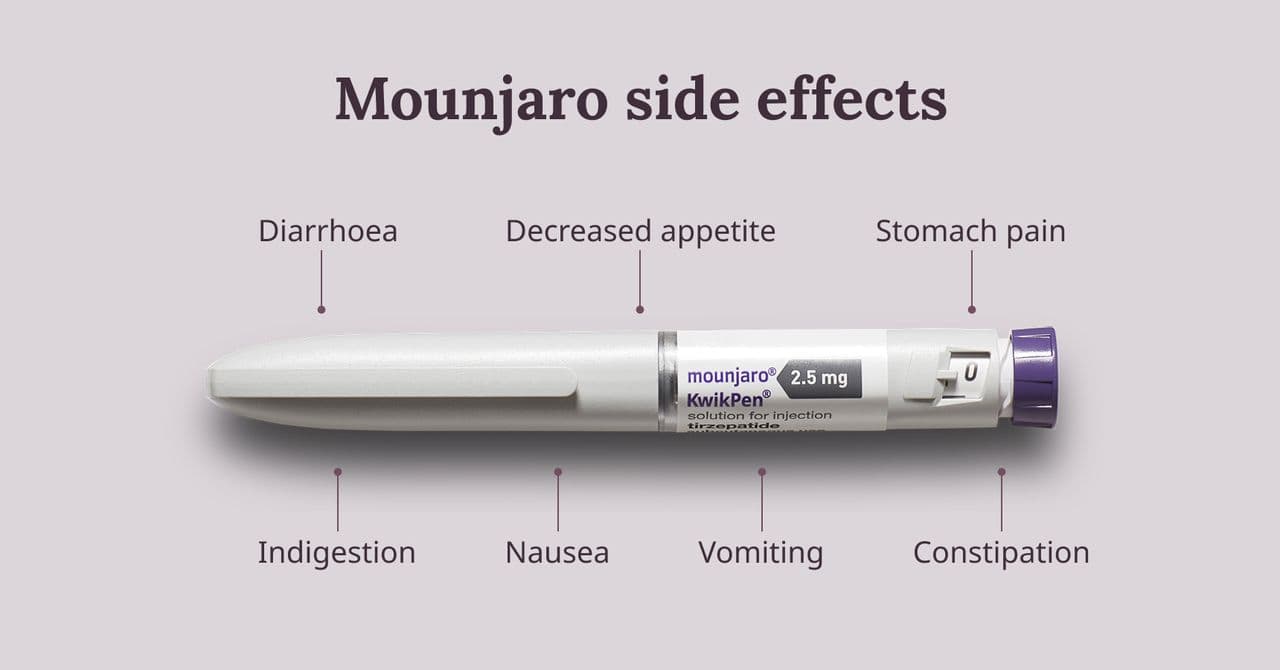
Like any medication, Mounjaro can cause side effects, but most people find they are mild, manageable, and settle as the body adjusts. Knowing what to expect puts you in control and helps you feel more confident as you get started.
In this guide, we walk you through the most common Mounjaro side effects, how often they happen, how long they typically last, simple ways to manage them, and when to reach out for clinical support.
Key points
- Most Mounjaro side effects are linked to your stomach and digestive system. They are usually mild, short lived, and improve as your body gets used to the medication, often without the need for treatment.
- Many side effects can be eased with simple diet and lifestyle adjustments, like eating smaller meals, staying hydrated, moving more, and avoiding rich or fatty foods.
- Side effects are more common when you are first starting treatment or moving up to a higher dose. This is a normal part of your body adjusting, and they typically settle quickly as your system adapts.
What are the Mounjaro side effects?
Like many weight loss medications, Mounjaro side effects can vary from person to person. Most are digestive and happen because the medication slows how quickly your stomach empties, helping you feel fuller for longer. While this adjustment is part of how the treatment supports weight loss, it can take a little time for your body to adapt.
Fortunately, side effects are typically mild, temporary, and very manageable. They are most common when starting treatment or increasing your dose, and usually improve quickly as your body settles into a routine.
The most common side effects (affecting more than 1 in 10 people) of Mounjaro are:
- nausea
- diarrhoea
- indigestion
- constipation
- acid reflux (heartburn)
- stomach discomfort
- reduced appetite
These side effects are usually short-lived and tend to resolve on their own without treatment as your body adjusts to the medication or new dose.
“When you start Mounjaro, it is completely normal to wonder how your body might respond. While some side effects are considered common, not everyone gets them, and for most people they are mild and settle as the body adjusts to treatment. Simple lifestyle changes, like eating balanced meals, staying well hydrated, and building gentle movement into your week, can make a real difference in how you feel. We guide you through all of this so you are never left figuring it out on your own. And if something does feel uncomfortable or harder than expected, please do not just push through it. Reach out to us. Whether you need reassurance, practical advice, or a little extra support, our clinical team is here to help."
Ayesha BashirPrescribing Pharmacist
Common Mounjaro side effects and how to manage them:
Nausea
As your body adjusts, you may notice some nausea or mild stomach discomfort, simply because food is sitting in your stomach for longer than usual.
How common is nausea?
Nausea is one of the most common Mounjaro side effects, affecting more than 1 in 10 people.
What can help?
While your body adapts, a few simple habits can make a big difference:
- Eat smaller, more frequent meals to avoid overloading your stomach
- Limit spicy, fatty, or fried foods, which can worsen symptoms
- Cut back on acidic drinks and foods like coffee, fizzy drinks, and alcohol
- Stay hydrated by sipping water regularly throughout the day
- Try fresh ginger, either in tea or added to meals, as it can help soothe nausea
If nausea is not improving or is affecting your day to day life, our clinicians are here to support you with personalised advice and treatment options if needed.
Vomiting
As your body adjusts to Mounjaro, you may experience vomiting. This can happen because the medication slows digestion, and your stomach may take a little time to adapt. While it can feel unpleasant, it is usually temporary and improves within a few days.
How common is vomiting?
Vomiting is a fairly common side effect of Mounjaro and is most likely to happen when you first start treatment or increase your dose. For most people, it settles quickly as the body adjusts.
What can help?
If you are being sick, the priority is staying hydrated and being gentle with your stomach:
- Sip water regularly rather than drinking large amounts at once
- Use rehydration sachets to help replace lost fluids and minerals (always check with a clinician first if you have any kidney problems)
- Stick to simple foods like toast, crackers, or plain rice until you feel better
- Avoid rich, fatty, or heavily seasoned meals that can trigger symptoms
- Rest when you need to, as overexertion can worsen nausea vomiting causes
If vomiting is persistent or you are struggling to keep fluids down, it is important to seek clinical advice.
Diarrhoea
Diarrhoea can also occur as your digestive system responds to treatment. Although it can be inconvenient, it is usually mild, short-lived, and improves quickly.
What can help?
Keeping your fluid levels up is key to helping your body recover:
- Drink water frequently throughout the day
- Consider oral rehydration sachets to restore electrolyte balance (always check with a clinician first if you have any kidney problems)
- Choose gentle, easy to digest foods until symptoms settle
- Avoid alcohol, very fatty foods, and spicy meals while your stomach is sensitive
Know the signs of dehydration
Losing fluids can sometimes lead to dehydration, so keep an eye out for early symptoms like:
- dry mouth
- dark urine
- fatigue
- dizziness
- headaches
- muscle cramps
When to seek urgent help
Severe dehydration needs medical attention. Look out for:
- a fast heartbeat
- confusion or unusual drowsiness
- not urinating for several hours or more
If you notice these symptoms or feel concerned at any point, speak to a healthcare professional as soon as possible.
Stomach pain and abdominal discomfort
You may notice some stomach discomfort as your body adapts to Mounjaro. Because the medication helps you feel fuller for longer, eating the same portion sizes as before can sometimes leave you feeling overly full or lead to mild stomach aches. This is usually a sign that your body is adjusting and that it may be time to rethink portion sizes.
How common is stomach discomfort?
Mild stomach pain or abdominal discomfort is a common side effect, especially after larger meals.
What can help?
- Eat smaller portions more often to reduce pressure on your stomach
- Slow down at mealtimes and stop when you feel comfortably full
- Limit spicy, fatty, fried, or high sugar foods, which can irritate the stomach
- Choose lighter, balanced meals that are easier to digest
Persistent or severe pain shouldn’t be ignored. If the pain does not ease, feels intense, or happens away from mealtimes, seek medical advice promptly.
Acid reflux, burping, and bloating
As Mounjaro slows stomach emptying, some people notice increased pressure in the stomach. This can lead to bloating, extra gas, burping, or acid reflux, where stomach acid moves back up and causes heartburn. While uncomfortable, these symptoms are usually manageable and improve with a few simple habit changes.
What can help?
- Split meals into smaller portions and space them out across the day
- Avoid overeating, which can put extra strain on digestion
- Finish eating at least a couple of hours before bed to reduce reflux
- Stay upright after meals rather than lying down
- Try herbal teas or over the counter antacids for symptom relief if suitable
If symptoms are ongoing or affecting your sleep or daily comfort, our clinical team can guide you on the safest ways to manage them.
Headaches
Headaches are less common with Mounjaro, affecting around 1 in 20 people. They are often linked to dehydration, reduced food intake, or your body adjusting to treatment, especially in the early stages or after a dose increase.
The reassuring part is that they typically pass within a few days once your eating and hydration patterns become more consistent.
What can help?
- Drink plenty of water throughout the day
- Avoid skipping meals, even if your appetite is lower
- Aim for balanced nutrition to keep energy levels steady
- Consider over the counter pain relief if appropriate
If headaches continue or feel severe, it is worth checking in with a clinician.
Dizziness
Some people experience dizziness while on Mounjaro. This can happen if you are eating less due to a reduced appetite, not drinking enough fluids, or as your body adjusts to the medication or a higher dose. Changes in blood sugar or blood pressure can also play a role.
Although it can feel unsettling, dizziness is often temporary and improves as your routine becomes more consistent.
What can help?
- Stay hydrated and carry water with you when you are out
- Eat regularly to help keep blood sugar levels steady
- Keep a small snack on hand, especially if you are away from home
- Stand up slowly to avoid sudden lightheadedness
If dizziness is frequent, severe, or does not improve, speak to a healthcare professional.
Sulphur burps
Some people taking Mounjaro notice sulphur burps. These are often described as burps with a strong, egg-like smell. While they can feel unpleasant, they are usually harmless and tend to improve as your digestive system adjusts to the medication.
Sulphur burps can happen when food sits in the stomach for longer, allowing gases to build up during digestion. Certain foods, especially heavier proteins and highly processed meals, can make them more noticeable.
What can help?
- Try herbal teas like green tea, peppermint, or chamomile to support digestion
- Stay well hydrated, as water helps your digestive system break down food more comfortably
- Eat smaller portions to avoid putting extra pressure on your stomach
- Limit highly processed foods, which can contribute to excess gas
- Consider over the counter remedies containing simethicone or dimethicone (such as Wind-Eze or Wind Settlers) if suitable for you
Although sulphur burps can be frustrating, they are typically temporary and manageable with a few simple adjustments.
Mounjaro side effects after eating
Experiencing Mounjaro side effects after eating is very common, as the medication acts on your digestive system which is stimulated when you eat.
Large meals can place pressure on the stomach, overstimulate acid production, and spike blood sugar.
Fatty meals can irritate the stomach as fats are more difficult for the enzymes in your stomach to break down than other nutrients.
To prevent and reduce these symptoms, it helps to keep an eye on portion control. Your plate should contain roughly:
- one half vegetables
- one quarter lean protein
- one quarter complex carbs
- a tablespoon of healthy unsaturated fats
Remember, while there's no best Mounjaro diet, there are foods to avoid and eat more of for a more comfortable journey.
Blood sugar-related side effects
Because Mounjaro affects how quickly your stomach breaks down food and converts it to energy, it can also lead to changes in your blood sugar levels.
Low blood sugar (hypoglycaemia)
For most people, low blood sugar is the most likely risk when taking Mounjaro. Mounjaro can also cause hypoglycaemia (very low blood sugar) if taken with other medications designed to treat diabetes, due to drug interactions.
To prevent low blood sugar, always keep a low-calorie sugary snack or drink on you to take if you feel your blood sugar drop.
People most at risk of hypoglycaemia when taking Mounjaro are those who also have diabetes or any other blood-sugar related condition.
You should seek medical attention if you notice signs of hypoglycaemia such as:
- trembling and shaking
- clamminess and sweating
- fast heartbeat
- dizziness
- tingling lips
- skin paling
- fatigue
- weakness
- headache
- trouble focusing
Seek urgent care immediately if you notice these signs of severe hypoglycaemia:
- vision changes
- loss of consciousness
- trouble speaking
- behaviour changes like anxiety, confusion, or irritability
- seizures
Changes in blood glucose levels
If you’re taking Mounjaro, monitoring your blood sugar levels can be an important way of making sure that your medication is working safely and effectively, especially if you have diabetes.
If your blood sugar gets too high or too low, it can affect how well the medication works and cause energy crashes, fatigue, and lead to heart and brain problems if left untreated.
Mounjaro can also interact with some diabetes medications, increasing the risk of low blood sugar.
Less common Mounjaro side effects
Some Mounjaro side effects happen far less often than others. They are considered rare, and most people will never experience them, so they are not something you need to feel anxious about. However, understanding what they are and knowing what to look out for can help you feel more informed and in control as you move through treatment.
Increased heart rate
A small number of people may notice their heart beating faster than usual while taking Mounjaro. This side effect is rare, but being aware of it can help you feel informed and confident during treatment. Some people describe a racing heartbeat, a fluttering sensation, or simply becoming more aware of their pulse. If it happens occasionally and settles quickly, it is not usually a cause for concern.
What can help?
- Monitor your pulse so you understand what feels normal for you
- Reduce stimulants such as caffeine, energy drinks, tobacco, and large amounts of chocolate
- Stay hydrated and aim for regular meals
- Allow time for rest, especially if symptoms appear after activity
If your heart rate stays high, symptoms worsen, or you feel dizzy, short of breath, or unwell, speak to a healthcare professional promptly. Remember, our clinicians are always here to support you and help you decide on the right next steps.
Hair loss
Hair loss is a recognised side effect that some people may experience while taking Mounjaro, but it is usually linked to rapid weight loss rather than the medication itself. When your body goes through significant changes, such as losing weight quickly, it can temporarily shift energy away from processes like hair growth. This can cause more hair to shed than usual for a short period.
Although this can feel worrying, it is typically temporary. For most people, hair begins to regrow within 3 to 6 months as the body adjusts and weight loss becomes more stable.
What can help support hair health?
- Prioritise balanced nutrition, especially enough protein, iron, and essential vitamins
- Avoid very restrictive dieting, which can increase shedding
- Be gentle with your hair, limiting heat styling and harsh treatments
Consider clinically supported treatments, such as:
- topical minoxidil
- caffeine shampoos
- finasteride (for men, if suitable)
If you notice sudden or severe hair loss, or it is affecting your confidence, it is worth speaking to a healthcare professional.
Injection-site side effects
Some people notice mild reactions where they inject Mounjaro. These are usually nothing to worry about and are a normal response as your skin adjusts to the injections. Most settle within a few days without treatment.
Common mild reactions can include:
- redness
- itching
- swelling or bruising
- soreness
Rotating your injection site each week can help reduce irritation and give your skin time to recover. Try switching between recommended areas such as the abdomen, thigh, or upper arm to minimise the risk of repeated sensitivity.
When to seek urgent medical help
Severe allergic reactions are very rare, but it is important to recognise the signs. Seek urgent medical attention immediately if you notice:
- swelling of the face, lips, tongue, or throat
- difficulty swallowing
- trouble breathing
If you are ever unsure about a reaction, it is always best to get advice. Our clinicians are here to support you and make sure you feel confident and safe throughout your treatment journey.
Severe and serious Mounjaro side effects
In some rare cases, people can experience severe Mounjaro side effects.
You should speak to a healthcare provider if you notice symptoms of these conditions:
Severe stomach pain
This is sharp stomach pain that is more than just discomfort and isn’t momentary but prolonged.
Acute pancreatitis
Acute pancreatitis is a medical emergency which can be life-threatening. Symptoms include:
- sharp, severe stomach pain that doesn’t go away or may move to the back
- nausea
- vomiting
- fever
- fast heartbeat
Call 999 or go to A&E immediately if you notice these signs.
You’re at greater risk of pancreatitis if you:
- have obesity
- are over 70
- are a smoker
- have two or more alcoholic drinks a day
- have a family history of the condition
Gallbladder problems
Gallbladder problems are a rare side effect of Mounjaro. It can happen because GLP-1 and GIP hormones affect the renal ducts, which connect your kidneys and gallbladder to other parts of your digestive system.
This means issues like gallbladder inflammation and gallstones can sometimes happen due to rapid weight loss from Mounjaro, though this isn’t common. Warning signs of gallbladder problems include:
- sharp pain in the upper right abdomen (that may move to the back or shoulder)
- fever
- chills
- digestive issues
- yellowed skin (in severe cases)
Call 999 or go to A&E immediately if you notice these signs.
Acute kidney injury
Acute kidney injury is when the kidneys very suddenly stop functioning and can’t filter out waste like they usually do.
Acute kidney injury symptoms to watch out for include:
- dehydration symptoms (confusion, thirst, trouble concentrating, dry mouth and lips)
- diarrhoea
- drowsiness
- fatigue
- nausea
- vomiting
- urinating less than normal
Call 999 or go to A&E immediately if you notice these signs.
You’re more likely to have acute kidney injury if you:
- are 65 or over
- have a family history of kidney disease
- have an autoimmune condition
- don’t drink enough water and are at risk of dehydration
Allergic reactions
In rare cases, some people can have an allergic reaction to Mounjaro.
Symptoms of an allergic reaction include:
- fever
- rash
- chills
If you think you’re having an allergic reaction to Mounjaro, talk to your healthcare provider.
In very rare cases, some people may have a severe allergic reaction to Mounjaro.
Severe allergic reaction symptoms include:
- trouble breathing
- rapid swelling of the throat, mouth, tongue, or face
- widespread rash
- dizziness
- loss of consciousness
- nausea
- vomiting
- stomach cramps
If you think you’re having a severe allergic reaction to Mounjaro, call 999 or go to A&E immediately.
“It's easy to come across information about serious side effects and let your mind jump to the worst-case scenario, but it is important to pause and look at the bigger picture. These side effects are extremely rare, and the vast majority of people will never experience them. Your safety is always our priority, which is why we take the time to carefully review your medical history and increase your dose gradually, allowing your body to adjust in a controlled and supported way. For many people, losing weight brings improvements to their overall health, energy levels, mobility, and confidence, which are benefits that far outweigh the very small risk of severe reactions. Try not to let worry take away from the positive step you are taking for your health. And remember, you are not doing this alone. If you ever have concerns or simply need guidance, we are right here beside you.”
Ayesha BashirPrescribing Pharmacist
Thyroid-related side effects
Thyroid related side effects have been reported in clinical studies, but they are considered very rare. For the vast majority of people, this is not something that will affect their treatment or day to day life.
Mounjaro is generally not recommended for anyone with a personal or family history of certain thyroid cancers, which is why these checks are an important step in keeping your treatment safe.
Being aware of rare risks is about helping you stay informed, not alarmed. If you do not have a relevant medical history, this is not something you need to worry about. And if you ever have questions or want reassurance, your prescriber is always there to guide you and make sure you feel confident in your treatment plan.
Eye-related side effects
Diabetic retinopathy is an eye condition linked to diabetes and is caused by changes in blood sugar levels over time. When blood sugar changes quickly, it can temporarily affect the shape of the eye’s lens, which may lead to blurred or altered vision.
In some cases, people who already had diabetic retinopathy noticed a worsening of symptoms while using Mounjaro. This is uncommon, and it mainly applies to those with existing diabetes related eye conditions rather than people without a history of them.
Staying on top of regular diabetes reviews and eye checks is one of the best ways to protect your vision and catch any changes early.
Speak to a healthcare professional promptly if you notice:
- blurry vision
- dark spots in your field of vision
- floaters
- sudden loss of vision
- flashing lights
- changes in how you see colour
If you ever experience changes to your eyesight, it is important not to ignore them. Support is always available, and getting advice early helps ensure you receive the right care quickly.
Long-term side effects of Mounjaro
The longest clinical trial of Mounjaro followed participants for up to 72 weeks and did not identify any long term side effects.
While long term effects have not been linked directly to Mounjaro, some side effects could lead to more serious health concerns if they are ignored or left untreated. This is exactly why clinical oversight and ongoing support are built into your journey, so you are never managing treatment alone. Potential complications may include:
- Kidney issues related to severe dehydration
- Pancreatitis complications if symptoms are not treated early
- Oesophageal irritation caused by persistent, unmanaged acid reflux
It is important to remember that these are not caused by the medication itself. They are typically preventable with early action, good hydration, and the right medical guidance.
Do Mounjaro side effects differ by dose?
The side effects linked to Mounjaro are consistent across all dose strengths. This means a specific dose is not responsible for a specific side effect. For example, 5mg would not be the only dose that could cause nausea or digestive symptoms. However, as your dose increases, you may notice side effects you have experienced before returning, or occasionally experience others you haven’t yet.
Higher doses do not introduce unexpected or entirely new side effects. Instead, they can make known ones more noticeable while your body adjusts. This is a normal part of treatment and exactly why dose increases are gradual and clinically guided.
How long do Mounjaro side effects last?
Most Mounjaro side effects are short lived and improve as your body adjusts to the medication. Many people find that symptoms ease within a few days, while others may notice them settling over a few weeks, especially after starting treatment or increasing their dose.
Clinical studies have reported no long-term side effects of Mounjaro.
Mounjaro side effects in diabetics
The side effects of Mounjaro are largely the same for people with and without diabetes.
However, people with diabetes are at greater risk of side effects like:
- low blood sugar
- vision problems, including diabetic retinopathy
If you’re living with diabetes and want to start taking Mounjaro, talk to your prescriber about any other medicines you take and whether it is safe for you.
Mounjaro vs Wegovy side effects
Mounjaro and Wegovy belong to the same family of medications and work in similar ways, so most side effects overlap. This means there are very few side effects that occur with one medication but not the other.
Rather than causing completely different symptoms, the main difference is often how frequently side effects happen or how noticeable they feel from person to person. Your body’s response, dose strength, and lifestyle habits can all play a role in this.
Mounjaro targets both GLP-1 and GIP receptors, while Wegovy targets GLP-1 alone. Because of this, some people may notice slightly different experiences, such as changes in appetite or digestive comfort, but these still fall within the expected side effect profile for this type of treatment.
Learn more about how Mounjaro compares to Wegovy.
When should I seek urgent medical help?
You should call 999 or go to A&E straight away if you notice any of these symptoms, as they may be a sign of side effects leading to serious health complications:
- severe stomach pain
- persistent vomiting
- signs of pancreatitis (stomach pain that doesn’t go away and may move to the back)
- allergic reactions (rashes, swelling, mental changes)
- vision changes
- signs of acute kidney injury (hardly urinating, very dark urine, drowsiness, fatigue)
Will I get withdrawal side effects from stopping Mounjaro?
No. Mounjaro is not addictive and does not cause withdrawal symptoms if you stop taking it. There is no “come down” period, and your body will not depend on the medication.
What you may notice is your hunger gradually returning. Mounjaro helps regulate appetite and fullness, so once it is no longer in your system, it is normal for food noise to creep back in and for you to feel hungrier than you have in a while. This is not your progress reversing; it is simply your body returning to its natural signals.
You might also find that maintaining your weight takes a little more intention without the extra support from treatment. That is why the habits you build along the way matter so much. Balanced meals, movement, hydration, and routine all help you protect the progress you have worked hard for.
Can stopping Mounjaro cause side effects?
Stopping Mounjaro does not cause side effects. However, you may notice some changes as the medication leaves your system and your body returns to its usual hunger signals.
For example, you might experience:
- An increase in appetite
- Less support with blood sugar regulation
- The return of food noise, such as more frequent thoughts about food or stronger cravings
This shift is completely normal. Mounjaro supports appetite control, so when that support is removed, your body naturally begins to rely on its own signals again.
How to reduce Mounjaro side effects
Most Mounjaro side effects are temporary and settle as your body adjusts, but a few simple habits can make that adjustment feel much smoother. Think of these as small lifestyle tweaks that help your body work with the medication, not against it.
Here are some of the most effective ways to stay comfortable during treatment:
- Eat smaller, more frequent meals to avoid overwhelming your stomach
- Focus on protein and fibre, building meals around whole, minimally processed foods that keep you satisfied for longer
- Stay well hydrated, sipping water consistently throughout the day rather than all at once
- Keep your injection routine consistent by choosing the same day and roughly the same time each week
- Give your body time to adjust and avoid increasing your dose until any side effects have settled
Remember, you do not have to push through discomfort. Slowing down, listening to your body, and building supportive habits can make a meaningful difference to how you feel. And if side effects are not improving or you need extra guidance, our clinicians are always here to help you stay confident, comfortable, and on track.
Sources
- Once-weekly semaglutide in adults with overweight or obesity. New England Journal of Medicine. [Accessed 20 January 2026]
- Tirzepatide once weekly for the treatment of obesity. JAMA. [Accessed 20 January 2026]
- Water, drinks and your health. NHS. [Accessed 20 January 2026]
- Management of obesity. The Lancet. [Accessed 20 January 2026]
- Effect of liraglutide on weight management. PubMed. [Accessed 20 January 2026]
- Acute Kidney Injury (2023) NHS [Accessed 20 January 2026]
- Acute Kidney Injury: What are the Risk Factors? (2022) NICE [Accessed 20 January 2026]
- Calcitonin (2024) NHS. [Accessed 10 Feb 2026]
- Hypoglycaemia (2023) NHS [Accessed 20 January 2026]
- Tirzepatide once weekly for the treatment of obesity (2022) JAMA. [Accessed 20 January 2026]
- Type 2 diabetes in adults: management. NICE Guideline NG28. [Accessed 20 January 2026]
- Effectiveness of tirzepatide in weight management. PubMed Central. [Accessed 20 January 2026]
- Behavioural interventions in obesity. PubMed. [Accessed 20 January 2026]
- GLP-1 analogues and diabetes management. PubMed. [Accessed 20 January 2026]

-1.png&w=3840&q=75)

-4.png&w=3840&q=75)