Why weight regain happens
Written by:
-1.png&w=3840&q=75)
08 Sep 2026 • 10 min read
Reviewed and fact-checked:

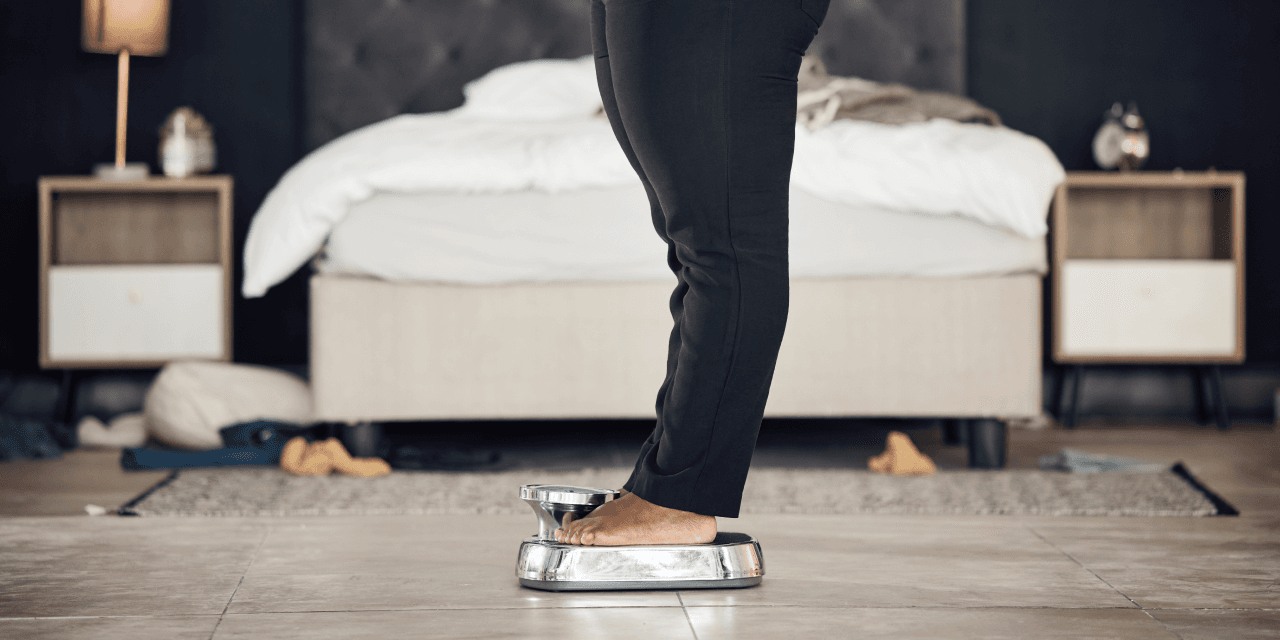
Why weight regain happens
Regaining some weight after weight loss doesn't mean you've failed. While weight regain ultimately happens when you consistently take in more energy than your body uses in the form of calories, the reasons behind that change can be more complicated.
Biology, appetite, everyday routines, activity levels, stress, sleep, and changes to weight loss medication may all influence how easy or difficult it feels to maintain your weight. Understanding how many calories you need during maintenance is one part of the picture, but long-term maintenance is about more than numbers alone.
Maintenance is an ongoing phase of your weight loss journey. Knowing what can influence weight regain can help you recognise changes and respond before they become harder to manage.
Key points
- Weight regain is common and influenced by biology, habits, lifestyle changes, and treatment decisions.
- Small changes in appetite, routine, activity, or eating habits can gradually contribute to weight regain over time.
- Spotting changes early and making manageable adjustments can help you maintain your results with confidence.
Is weight regain normal after losing weight?
Yes. Some weight regain after losing weight is common, and maintaining weight loss can bring different challenges from losing it in the first place. Your body can respond to weight loss in ways that encourage weight regain, including changes to appetite and the amount of energy you use.
A change on the scales doesn't always mean you're regaining weight. What matters more is whether you're seeing a consistent upward trend over time. Recognising that pattern early gives you an opportunity to review what's changed and consider how to get back on track after regaining weight without treating it as a failure.
What causes weight regain
The biological drive to regain weight
Your body has biological systems that help protect against energy shortages. After weight loss, these systems can respond in ways that favour regaining lost weight.
Research into the mechanisms of weight regain suggests that weight loss can increase signals that stimulate appetite while reducing signals associated with fullness. This can leave you feeling hungrier or less satisfied after eating, making a higher calorie intake easier without it necessarily being a conscious choice.
These biological responses can make maintenance challenging, but they don't determine what happens next. Understanding what's going on can help you approach changes in hunger or appetite as something to manage, rather than a lack of willpower.
Your metabolism may adapt after weight loss
As you lose weight, your body generally needs less energy to function because there is less body mass to maintain. Weight loss can also lead to adaptive changes that reduce energy expenditure, meaning your body may use fewer calories than expected based on changes in your weight and body composition alone.
This can help explain why the amount of food that supported weight loss may not lead to the same results over time. Rather than seeing this as your metabolism being “broken”, think of it as one of the ways your body adapts to weight loss.
Ongoing attention to your eating, activity, and other maintenance habits can help you respond to these changes over the long term.
Many people are surprised to learn that maintaining weight loss isn't simply a case of going back to exactly the same habits they had before. After weight loss, your body may require fewer calories than it did previously, and natural changes in energy expenditure can make weight maintenance feel more challenging.
Ayesha BashirPrescribing Pharmacist
Quick-fix diets and unsustainable weight loss
Highly restrictive approaches to eating can be difficult to maintain over the long term, particularly if they leave little room for your favourite foods or everyday life. The HSE recommends making realistic changes that you can maintain rather than trying to change everything at once.
During maintenance, aim for routines that can accommodate meals out, holidays, celebrations, and changes to your usual schedule. An approach that works only when everything goes to plan may be difficult to sustain when life gets busier.
Building flexibility into your eating habits can help you move away from thinking of maintenance as a temporary diet and towards an approach that fits your life long term.
Returning to old habits
Weight regain isn't usually about one meal out, a holiday, or a week when your routine changes. What matters more is what happens over time.
Small shifts can gradually add up. Portions might become larger, snacking may become more frequent, or regular meals and activity can start to slip. NHS Inform recommends keeping track of your weight and reviewing your food intake and activity levels if you notice it starting to increase.
Noticing these changes doesn't mean you've undone your progress. It gives you an opportunity to identify which habits have changed and decide where a small adjustment might help.
Stopping weight loss medication
If you've used weight loss medication to help you reach your goal, you may be wondering what happens to your treatment during maintenance. Mounjaro, for example, is authorised for weight management, including weight loss and weight maintenance.
Reaching your goal weight doesn't therefore automatically mean that treatment should stop. Your clinician can help you decide whether continuing treatment or making changes is appropriate for you, based on your individual circumstances.
Don't reduce your dose or stop taking weight loss medication without discussing it with the clinician managing your treatment. If you're considering the next stage of treatment, you can explore the options available through myBMI.
Life changes
Even well-established routines can be disrupted when life changes. A busy period at work or home, illness, or injury can affect your usual eating and activity habits. Stress may also influence eating behaviours, while not getting enough sleep can affect hunger and appetite.
These periods are a normal part of life, so try not to see a temporary change in routine as a setback. When things settle, look at which habits have changed and focus on gradually rebuilding the routines that previously worked for you.
How to spot weight regain early
An individual weigh-in doesn't always tell you much about your longer-term progress. Instead of reacting to a single number, focus on whether your weight is consistently moving upwards over time.
NHS Inform recommends weighing yourself regularly and keeping a record so you can see how your weight changes. Thinking in terms of a maintenance range, rather than expecting to stay at one exact number, can also help you focus on the overall trend.
If you notice a consistent increase, use it as an opportunity to check in with your habits and consider whether anything has changed. Spotting a pattern gives you useful information without making every individual weigh-in a cause for concern.
Helpful signs to monitor
Alongside changes in your weight trend, you might notice:
- your clothes consistently feeling tighter
- grazing or snacking becoming more frequent throughout the day, every day
- losing some of the routine around meals or physical activity
None of these necessarily mean you're regaining weight. Instead, think of them as useful prompts to check in with your habits and consider whether anything has changed.
What people who successfully maintain weight loss tend to do
There isn't one perfect routine for maintaining weight loss, but some habits can make it easier to notice changes and stay consistent. NHS Inform recommends regular physical activity, monitoring your weight, and keeping track of what you're eating as part of maintaining weight loss.
Helpful habits may include:
- staying physically active
- weighing yourself regularly and looking at longer-term trends
- keeping track of your eating when you find it useful
- reflecting on changes to your routines and what may have triggered them
- allowing some flexibility rather than expecting yourself to be perfect
You can explore the habits that help people maintain weight loss long term in more detail in our dedicated guide.
Weight maintenance is not the finish line
Maintaining your weight is an ongoing process, and there may be times when your weight or routines change. What matters is recognising those changes and responding to them without treating them as a failure.
Try to think about maintenance over months and years rather than individual days. If you notice a consistent change in your weight, taking small, manageable steps can help you get back to the habits that support you.
Your needs may also change over time, particularly if weight loss medication has been part of your journey. Having ongoing clinical support can help you decide what approach is right for you as you move through maintenance.
If you're considering your options for continued weight management, you can explore the support available through myBMI.
FAQs
Why does weight regain happen after losing weight?
Weight regain can happen for many reasons. Changes in appetite, metabolism, daily routines, activity levels, stress, sleep, and medication use can all make maintenance more challenging. It's rarely about a lack of willpower alone.
Is it normal to regain some weight after weight loss?
Yes. Some weight fluctuation and even modest weight regain can be a normal part of long-term weight management. What matters most is looking at overall trends and responding early if you notice a consistent increase.
Can your metabolism slow down after weight loss?
After weight loss, your body generally needs fewer calories because there is less body mass to support. Your body may also adapt by using energy more efficiently, which can make long-term weight maintenance feel more challenging.
How can I tell if I'm regaining weight?
Rather than focusing on a single weigh-in, look for a consistent upward trend over time. You may also notice your clothes feeling tighter, an increase in snacking, or a gradual drift away from the habits that helped you lose weight.
What should I do if I start regaining weight?
Try not to panic or assume you've failed. Instead, take a step back and look at what may have changed in your routine. Small, sustainable adjustments are often more effective than restrictive diets or drastic measures.
Can stopping weight loss medication cause weight regain?
Weight regain can happen after stopping weight loss medication. If you're considering reducing your dose or discontinuing treatment, it's important to discuss your options with your clinician so that your maintenance plan reflects your individual needs.
Does stress affect weight regain?
It can. Stress can influence eating behaviours, disrupt routines, and make it harder to maintain healthy habits. During stressful periods, focusing on consistency and self-compassion can help you stay on track.
Can poor sleep make it harder to maintain weight loss?
Yes. Poor sleep can affect appetite, hunger, energy levels, and decision-making around food. Looking after your sleep can be an important part of successful weight maintenance.
How often should I weigh myself during maintenance?
There isn't a one-size-fits-all approach, but regular weigh-ins can help you spot trends and identify changes early. The goal is to use the information as a helpful guide, not as a judgement of your progress.
What habits help prevent weight regain?
People who successfully maintain weight loss often stay active, monitor changes in their weight over time, maintain flexible eating habits, and return to their routines after periods of disruption. Consistency is usually more important than perfection.
Sources
7 Factors Causing Weight Regain: Tips to Avoid. (2025) NovoCare. [Accessed 31 August 2026]
Mechanisms of Weight Regain following Weight Loss. (2013) Diabetes Spectrum. [Accessed 31 August 2026]
Lifestyle changes to treat obesity. (2025) HSE. [Accessed 31 August 2026]
How do I maintain my weight loss? (2026) NHS Inform. [Accessed 31 August 2026]
Mounjaro. (2026) European Medicines Agency. [Accessed 31 August 2026]