Finding your balance with alcohol and caffeine during menopause
Written by:

13 Oct 2026 • 8 min read
Reviewed and fact-checked:

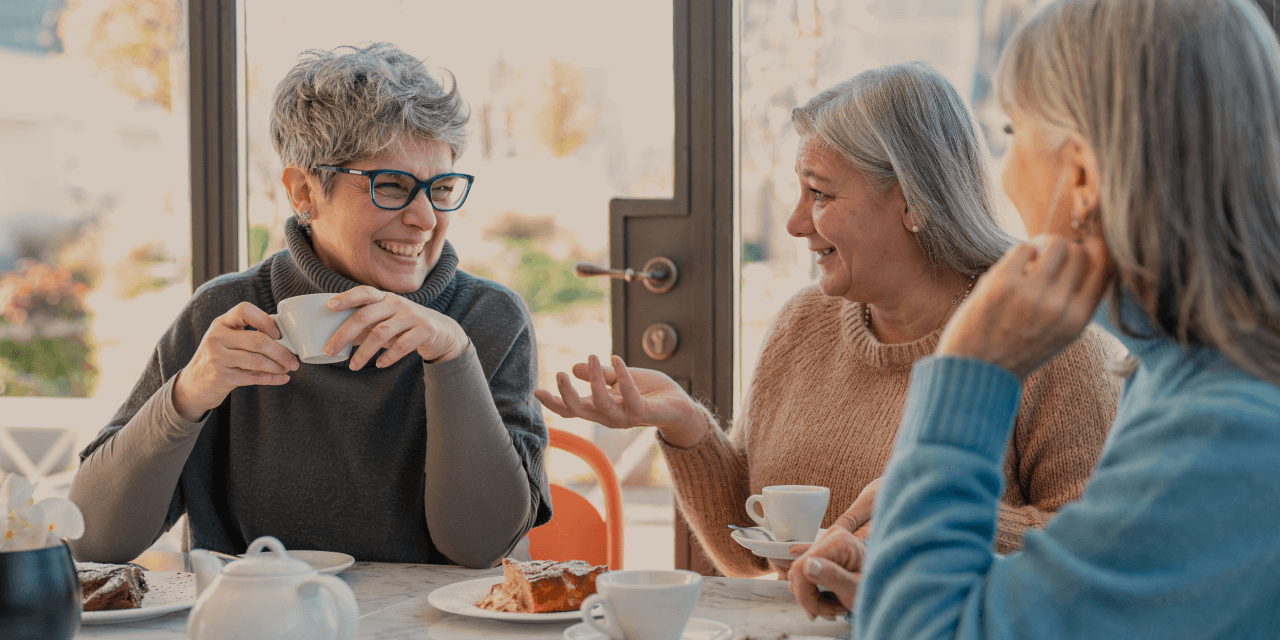
A glass of wine to wind down, a coffee to get you through a foggy morning. These small habits can feel like lifelines during menopause, but they may also affect how you sleep and feel.
I'm not here to tell you to give up everything you enjoy. As a chef, I love good food and drink. But as a nutritionist, I also know it’s important to understand how these habits might affect you, so you can decide what works best for you.
How alcohol and caffeine can affect you during menopause
During menopause, you may find that drinks you previously enjoyed affect you differently. This will vary from person to person, so I wouldn’t automatically recommend cutting out alcohol or caffeine completely. Instead, it can be helpful to notice whether either seems to make your symptoms worse.
Alcohol
Alcohol can make hot flushes and night sweats worse for some women. If you notice a connection, I recommend reducing how much you drink or taking a break and seeing whether your symptoms improve. Look for patterns over time rather than judging it on one evening.
Excessive alcohol can also weaken bones. And during menopause, bone health becomes particularly important because falling oestrogen levels increase the risk of osteoporosis. Your wider diet and lifestyle are also worth considering alongside your alcohol intake.
Caffeine
Coffee, tea, and other caffeinated drinks can also trigger hot flushes and night sweats for some people. Also, its diuretic effect may also, in rare cases, reduce calcium and magnesium reabsorption, potentially contributing to bone density loss. This, as we’ve discussed, is a concern for postmenopausal women at higher risk of osteoporosis
However, caffeine can enhance alertness, concentration, and mood, which may help counteract fatigue and low energy levels experienced during menopause. As usual, moderation is key.
Next, let’s look at some practical ways to approach alcohol and caffeine during menopause.
Rethink your evening wind-down drink
Alcohol can make you feel drowsy, but feeling sleepy isn't the same as sleeping well. You may find that you wake up more often during the night or feel less rested the next day.
If you're already struggling with sleep during menopause, try swapping your evening drink for an alcohol-free alternative and notice whether it makes a difference. A herbal tea, a bath or a walk after dinner can give you another way to wind down.
My favourite alcohol-free drinks:
- Sparkling water with cucumber, mint and a squeeze of lime
- Alcohol-free ginger beer with fresh lime and ice, choosing a lower-sugar version if you prefer
- Iced hibiscus or peppermint tea
- Sparkling water with frozen raspberries and a sprig of rosemary
Watch your wine measures Watch your wine measures
Alcohol contains 7 calories per gram, almost as much as fat. In fact, a standard 175ml glass of 12% wine can contain up to 158 calories. A large 250ml glass of the same wine could contain around 225 calories. The amount varies with the strength and sweetness of the wine. Those calories can add up over a week, without providing any of the nutrition you'd get from food, like protein or fibre. Choosing a smaller glass is an easy place to start if managing your weight during menopause is your priority.
Drinking can also make it easier to eat more than you intended. If cheese and crackers or a takeaway often follow a drink or two, noticing that pattern can help you plan ahead.
Irish guidance advises 11 standard drinks per week for women, where a standard drink has 10g of pure alcohol.
If you need to cut down, having several alcohol-free days each week can help you. Drinking less also supports your longer-term health, including bone health, which, as mentioned, deserves attention during menopause.
Easy ways to drink less alcohol
- Set alcohol-free days. Pick two or three days a week and place them in your diary.
- Go smaller. Choose a small 125ml glass rather than a large one.
- Make a spritzer. Use a smaller measure of wine and top it up with soda or sparkling water. Adding soda to your usual measure doesn't reduce the alcohol.
- Eat before drinking. Avoid drinking on an empty stomach.
- Alternate with water. Have a glass of water between alcoholic drinks to help you pace yourself.
- Try alcohol-free alternatives. Check the alcohol content, as some low-alcohol options still contain alcohol.
- Find a new evening ritual. Choose something you enjoy that helps you relax without relying on a drink.
Move your last coffee earlier
Many people can enjoy coffee and tea without problems. The important thing is how much caffeine you're having, when you're having it, and how you respond. Caffeine takes several hours to clear, so an afternoon coffee may affect your sleep that night. If sleep is already difficult, try moving your last caffeinated drink earlier.
Decaf isn't completely caffeine-free, but it contains much less than regular coffee. It can be a useful swap if you enjoy the taste and ritual of a coffee but want to reduce your caffeine intake. Try decaf for your afternoon drink, or mix regular and decaf coffee in your cafetière to reduce caffeine gradually.Keep track of units as well as glassesMove your last coffee earlier
Easy ways to manage caffeine
- Try finishing your last caffeinated drink by around 2pm as a starting point. Adjust this to your bedtime and how sensitive you are.
- Reducing caffeine slowly can help you avoid withdrawal headaches and tiredness.
- You may find a smaller coffee gives you the enjoyment you're after.
- Tea, cola, energy drinks, chocolate and some painkillers contain caffeine too.
- If coffee makes you jittery, try a smaller amount or switch to decaf.
- Plain peppermint, camomile, rooibos and ginger teas are caffeine-free. Check blends for added tea or other caffeine sources.
- If you have low iron, have tea and coffee between meals rather than with food, as they can reduce iron absorption. This also applies to decaf.
Aim for around 6 to 8 cups or glasses of fluid a day as a general guide. You may need more in hot weather or when you're active. Water, herbal teas, lower-fat milk and sugar-free drinks all count. Tea and coffee count too, even if you're choosing to reduce caffeine for your sleep or symptoms. Keeping a bottle on your desk or by the sofa is an easy reminder to drink regularly.
Try a two-week check-in
If you're unsure how your drinks affect you, start with a simple diary.
- Week one: Note what you drink and when, how you sleep, and any flushes or mood changes.
- Week two: Choose one change, such as swapping afternoon coffee for decaf or reducing your alcohol intake. Keep noting how you feel.
- Compare the two weeks: Look for patterns rather than expecting every day to be the same.
Changing one habit at a time makes it easier to see what might be helping. Your notes may help you decide which changes are worth keeping, but they aren't a diagnosis.
If you're drinking more to cope with anxiety, low mood or poor sleep, or you’re finding it difficult to cut down, speak to your GP or a local alcohol support service.
Persistent menopause symptoms and sleep problems are worth discussing with your GP too. You don't have to manage them alone.
The key is balance
You may not need to give up your favourite drinks completely. Moving your last coffee earlier or drinking less alcohol may help you sleep better or manage symptoms. Reducing alcohol can also cut the calories you consume. Start with one manageable change and see how you feel.
About Lisa Marley
Lisa is a RSPH-accredited Chef and Wellness Expert with an AfN Certified Diploma in Nutrition Coaching. Working alongside myBMI, she helps translate nutrition science into practical, everyday advice, creating recipes, meal ideas and healthy eating guidance that support sustainable weight loss and long-term wellbeing.
Find out more about her work here.
Sources
- Menopause: Things you can do (2025) HSE [Accessed 6 October 2026]
- Menopause and Alcohol: Tips to Drink Less and Feel Better (2025) The Menopause Charity [Accessed 6 October 2026]
- Drink Less for Strong Bones (2010) WebMD [Accessed 6 October 2026]
- How does estrogen affect osteoporosis? (2025) Medical News Today [Accessed 6 October 2026]
- Insomnia: signs, symptoms and treatment (2025) HSE [Accessed 6 October 2026]
- Sleep problems - tips and self-help (2025) HSE [Accessed 6 October 2026]
- Alcohol supports and services (date unknown) HSE [Accessed 6 October 2026]
- Weekly low-risk alcohol guidelines (2025) HSE [Accessed 6 October 2026]
-1.png&w=3840&q=75)
-4.png&w=3840&q=75)