How to manage cravings during menopause
Written by:
16 Oct 2026 • 7 min read
Reviewed and fact-checked:
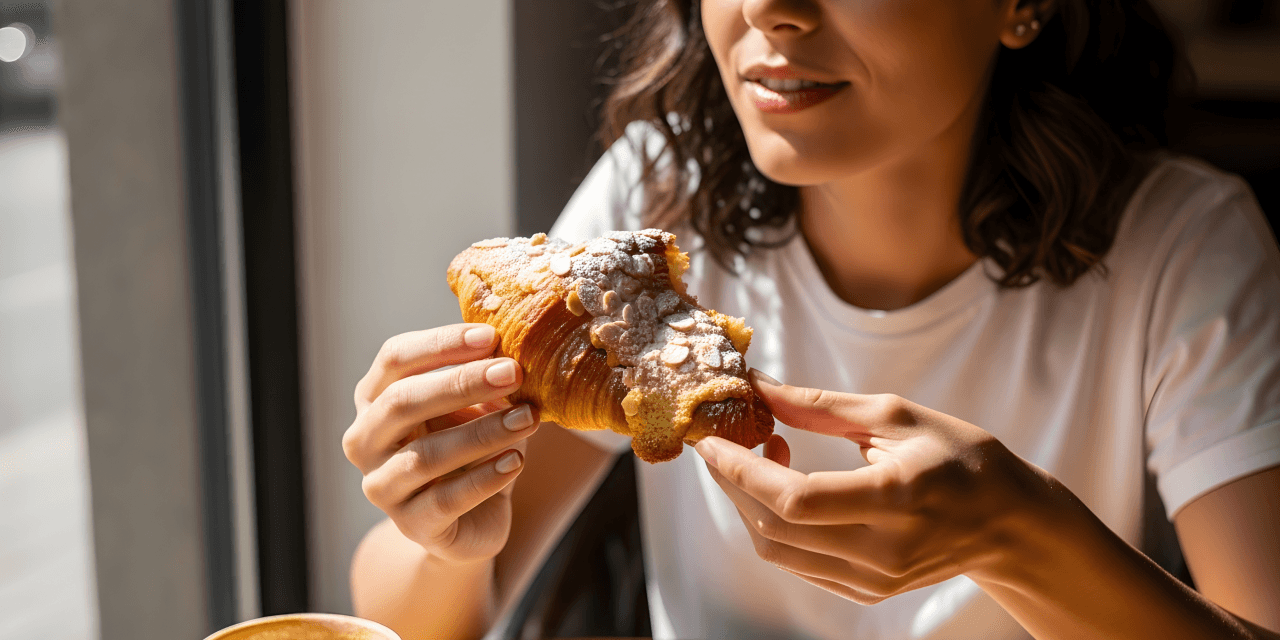
If you've noticed that your cravings feel stronger, your energy dips mid-afternoon, or your hot flushes seem to show up after certain meals, you're not imagining it. Menopause symptoms don't happen in isolation, and what's on your plate can play a bigger part than many of us realise.
Food won't switch off a hot flush or cure a craving. But the way you eat can make both easier to manage, and that's good news.
As a chef and nutrition coach, I'm always more interested in what you can add and adjust than in what you should cut out. In this guide, I'll look at why menopause affects your blood sugar, whether there's a link between food and hot flushes, and what can help.
Key points
- Falling oestrogen can make blood sugar harder to keep steady, which may bring energy crashes and stronger cravings.
- Certain foods and drinks can trigger hot flushes, but triggers are personal, so a food and symptom diary can help you spot yours.
- Balanced meals with protein, fibre and healthy fats, eaten regularly, are one of the simplest ways to steady your energy and appetite.
Why does menopause affect blood sugar?
Oestrogen plays a role in how your body responds to insulin, the hormone that helps move sugar out of your blood and into your cells. As oestrogen levels fall, many women find their blood sugar becomes harder to keep steady, and that more weight is stored around the middle.
In everyday life, that can look like:
- energy crashes in the afternoon
- feeling shaky or irritable between meals
- cravings for something sweet or starchy
None of this means you're doing anything wrong. It's your body adjusting, and a few simple habits can help.
Do hot flushes have a food link?
Hot flushes are driven mainly by hormonal changes. But many women notice that certain foods and drinks seem to set them off. Common triggers include:
Triggers are personal, so what sets off one woman's flush might not bother another. Keeping a food and symptom diary for two weeks can show you your own patterns. Note down what you ate and drank, the time, and any flushes or night sweats that followed.
How can you balance your plate to steady your blood sugar?
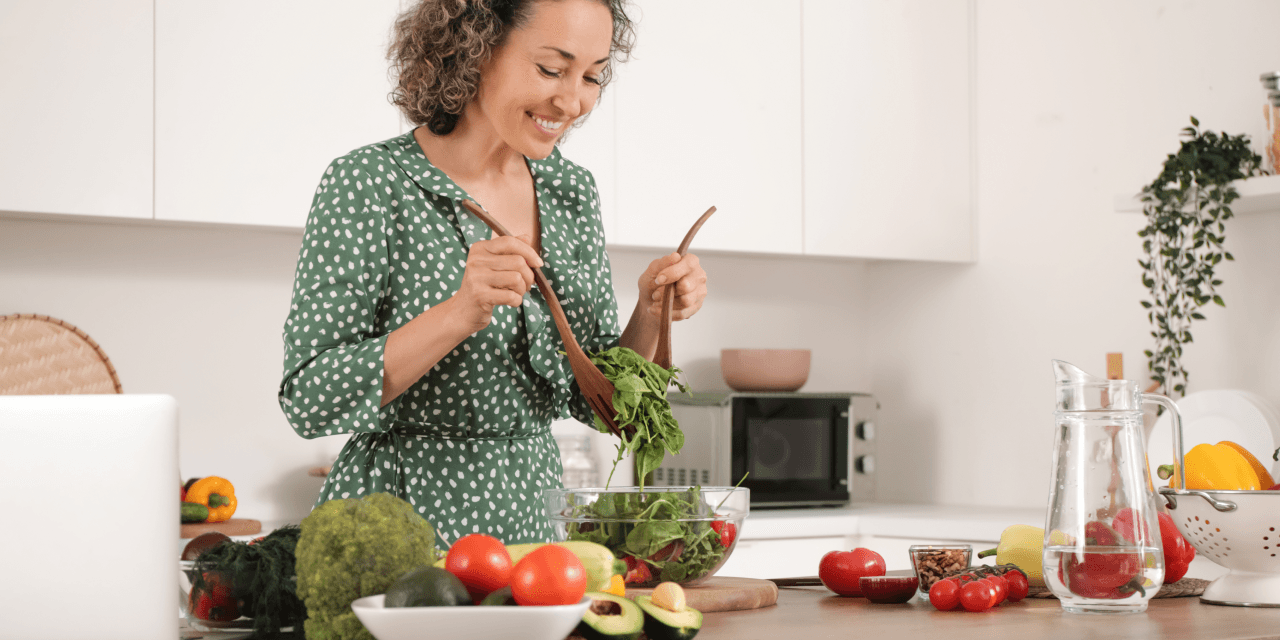
One of the easiest ways to avoid blood sugar spikes and dips is to build meals that include protein, fibre and healthy fats, rather than relying on refined carbohydrates alone. And ensuring this balance doesn’t need to be complicated! Here are a few simple tips:
- Fill half your plate with vegetables or salad. The fibre slows down how quickly sugar enters your blood.
- Add a protein source to every meal. Eggs, fish, chicken, tofu, beans, lentils and Greek yoghurt all work well.
- Choose wholegrains. Swap white bread, rice and pasta for wholegrain versions, or mix them half and half to begin with.
- Include healthy fats. Olive oil, avocado, nuts, seeds and oily fish help keep you satisfied.
- Don't skip meals. Long gaps often lead to bigger cravings later in the day.
Why do cravings get stronger in menopause?
Cravings in menopause are real, and they often get worse when you're tired, stressed or haven't eaten enough. Please try not to see them as lack of willpower. Instead, look at what might be driving them.
Practical tips to prevent cravings:
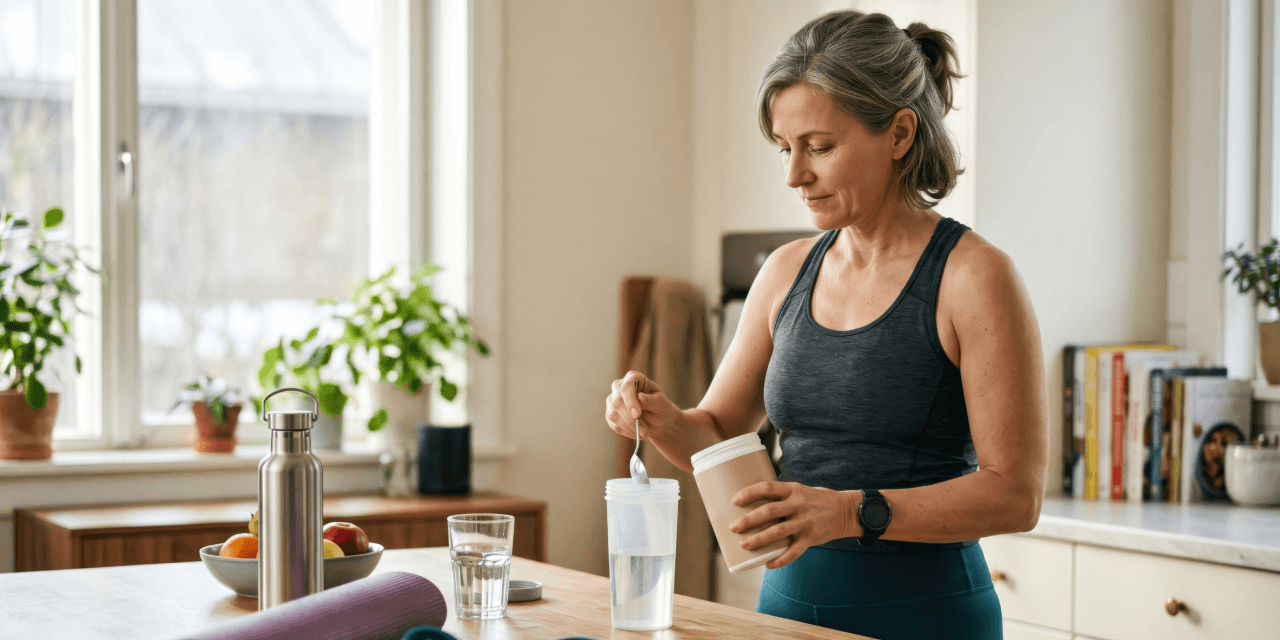
- Eat a proper breakfast. A protein-rich start can reduce sugar cravings later on. Try eggs on toast, or Greek yoghurt with berries and nuts.
- Plan a snack. If you know the 3pm slump is coming, get ahead of it with an apple and peanut butter, or a small pot of cottage cheese.
- Pair sweet with protein. If you fancy something sweet, have it alongside protein or fibre, like a square of dark chocolate with a handful of almonds.
- Check you're hydrated. Thirst can easily feel like hunger.
- Pause for ten minutes. Have a glass of water, take a short walk and see if the craving passes.
- Don't ban foods. Strict rules tend to backfire. Include small portions of the foods you enjoy so they don't feel off limits.
- Prioritise sleep. Poor sleep makes cravings stronger, so anything that helps you rest will help your appetite too.
Simple swaps over big overhauls
When cravings feel stronger during menopause, I wouldn’t recommend trying to change everything you eat at once. Small, realistic swaps are often much easier to fit into everyday life. I’d focus on choices that add more protein, fibre or wholefoods where you can, helping meals and snacks feel more satisfying without making your diet feel restrictive. Here are a few simple swaps to try:
- sugary cereal for porridge with berries and seeds
- fruit juice for a whole piece of fruit
- crisps for roasted chickpeas or a handful of nuts
- a white bread sandwich for a wholegrain wrap with chicken and salad
- a biscuit for a banana with a spoonful of nut butter
- a sweet latte for a smaller coffee with milk, or an herbal tea
What about soya and flaxseed?
Soya foods and flaxseed contain plant compounds called phytoestrogens, which are similar to oestrogen. The research is mixed, but some women find that adding foods like tofu, tempeh, edamame, soya milk and ground flaxseed helps with symptoms. They're nutritious foods anyway, so they're worth trying as part of a balanced diet regardless of their supposed benefits during menopause. Just don't expect them to replace medical treatment if your symptoms are severe.
What else can help with hot flushes?
Alongside what you eat, a few small changes can make flushes easier to live with:
- dress in layers so you can cool down quickly
- keep a glass of cold water close by
- choose lighter, smaller meals in the evening
- keep your bedroom cool and wear cotton or natural fabrics to bed
- manage stress with walking, yoga or breathing exercises
- aim for a healthy weight, as some women find flushes ease when they lose excess weight
What does a day of eating for steadier blood sugar look like?
You don’t need to follow a perfect meal plan to support steadier blood sugar. As discussed, I’d focus on building meals and snacks around a balance of protein, fibre, and carbohydrates, and eating regularly throughout the day.
Here’s an example of how that might come together, but you can swap in foods you enjoy and that work for your routine:
- Breakfast: Greek yoghurt with berries, pumpkin seeds and a spoonful of oats
- Snack: an apple and a small handful of almonds
- Lunch: lentil and vegetable soup with a slice of seeded wholegrain bread
- Snack: hummus with carrot sticks
- Dinner: baked salmon, roasted vegetables and a small portion of new potatoes
When should you speak to your GP?
Diet can help, but it isn't the whole answer. You should see your GP if:
- your symptoms are affecting your sleep, mood, work or relationships
- you have very heavy bleeding, or bleeding after menopause
- you're worried about your blood sugar or diabetes risk
- you'd like to talk about HRT or other treatment options
There are effective treatments available, including HRT, and HSE guidance says that women should be offered information and support to make the right choice for them.
You can make menopause feel a little easier
You can't control every symptom with food, but you can make menopause feel a little easier. Build balanced meals, eat regularly, notice your triggers and be kind to yourself on the tough days. Small changes, done consistently, make a real difference.
About Lisa Marley
Lisa is a RSPH-accredited Chef and Wellness Expert with an AfN Certified Diploma in Nutrition Coaching. Working alongside myBMI, she helps translate nutrition science into practical, everyday advice, creating recipes, meal ideas and healthy eating guidance that support sustainable weight loss and long-term wellbeing.
Find out more about her work here.
Sources
- When to take HRT (2025) HSE. [Accessed 13 October 2026]
- Menopause overview (2025) HSE. [Accessed 13 October 2026]
- Menopause: Things you can do (2025) HSE. [Accessed 13 October 2026]
- How to eat well (2023) HSE. [Accessed 13 October 2026]