The importance of fibre for gut health and weight loss
Written by:

16 Oct 2026 • 10 min read
Reviewed and fact-checked:

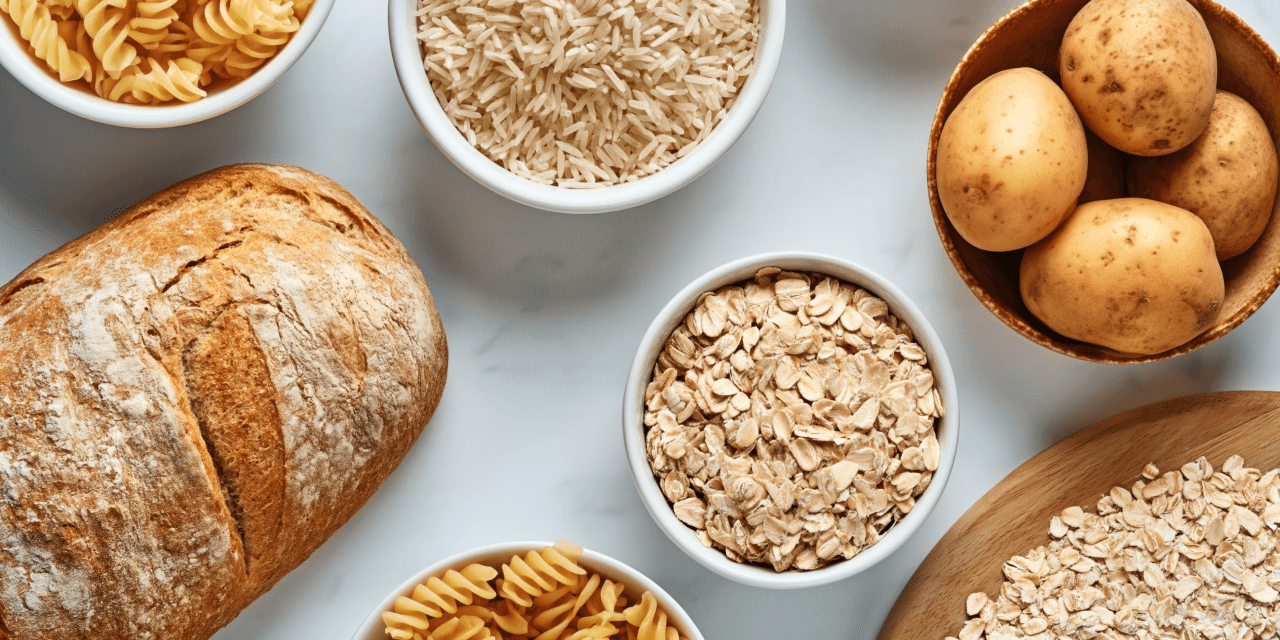
Fibre is an important part of a healthy, balanced diet, yet many people struggle to get enough of it each day. Found naturally in fruits, vegetables, wholegrains, beans, lentils, nuts and seeds, fibre supports healthy digestion, helps maintain a healthy gut and may play a role in weight management and long-term health.
You’ve probably heard about the importance of fibre, but what is it and why should you be watching your fibre intake?
In this guide, we'll explain why fibre is important, its health benefits, how much you need each day and the best high-fibre foods to include in your diet.
What is fibre?
Fibre is a type of carbohydrate found in plant-based foods that the body cannot fully digest.
Unlike other carbohydrates, fibre is not fully broken down and absorbed by the body. Instead, it passes through the digestive system, helping move food through the gut and supporting healthy bowel function. For example, fibre can help to soften stools, which can help with constipation, but it can also help to bulk up stools and make them firmer if you suffer from constipation often.
There are two main types of fibre – soluble and insoluble, both of which play important roles in staying healthy.
Insoluble fibre
Insoluble fibre does not dissolve in water and passes through the digestive system mostly unchanged.
Its main role is to add bulk to stools and help food move through the digestive tract more efficiently. Eating foods rich in insoluble fibre can help prevent constipation and support regular bowel movements.
Foods rich in insoluble fibre include:
- wholemeal bread
- brown rice
- wholegrain cereals
- wheat bran
- nuts and seeds
- many fruits and vegetables, particularly their skins
Soluble fibre
Soluble fibre dissolves in water to form a gel-like substance in the digestive system. This can help slow digestion, helping you feel fuller for longer after eating.
Soluble fibre is fermented by gut bacteria, helping to support a healthy gut microbiome. It also helps to promote the growth of some of the “good” bacteria in your gut, which can have positive effects on the rest of your health.
In addition to this, it can also help to stabilise blood glucose levels, which is particularly helpful for those with type 2 diabetes mellitus or those at risk of developing it.
Foods rich in soluble fibre include:
- oats
- barley
- beans
- lentils
- peas
- pulses
- chickpeas
- fruit such as apples, pears and citrus fruits
- vegetables such as carrots and sweet potatoes
Why do we need fibre in our diet?
Fibre is important because it:
- supports healthy digestion
- helps prevent constipation
- supports gut bacteria
- helps control blood sugar levels
- may reduce cholesterol levels
- helps you feel fuller for longer
Despite having plenty of benefits, some people with certain medical conditions, such as some types of irritable bowel syndrome (IBS), may be advised to avoid insoluble fibre as it may worsen their symptoms such as diarrhoea. If you aren’t sure whether or not you should add more fibre to your diet, you should speak to your doctor or perhaps a dietitian in order to find out what would be best for you.
Health benefits of fibre
Fibre plays a key role in supporting the ‘good bacteria’ in the gut, but it also helps you manage your sugar levels, helps you feel fuller after meals, and lowers the risk of long-term disease.
Digestive health
One of fibre's most well-known benefits is its role in supporting healthy digestion. Insoluble fibre adds bulk to stools and helps food move more easily through the digestive tract, reducing the likelihood of constipation. Maintaining regular bowel movements is important for digestive comfort and your overall gut health.
Gut health
According to Arthritis Ireland, fibre-rich foods can support digestive health, promote healthy gut bacteria and contribute to overall wellbeing. These beneficial bacteria help keep your digestive system healthy and can help support regular digestion, bowel health and normal immune function.
Eating a variety of fibre-rich foods may help increase the diversity of beneficial gut bacteria, which is associated with better overall gut health. Including a range of wholegrains, fruit, vegetables, beans, pulses, nuts and seeds in your diet can help support a healthy balance of gut bacteria and keep your digestive system functioning normally.
Heart health
Eating enough fibre as part of a healthy diet may help support heart health and healthy cholesterol levels. High cholesterol can contribute to the build-up of fatty deposits in the arteries over time, increasing the risk of cardiovascular disease, heart attack and stroke.
Soluble fibre may help reduce cholesterol levels by binding to cholesterol-containing substances in the digestive system and helping remove them from the body.
Blood sugar management
Because soluble fibre slows digestion, it can help slow the absorption of sugar into the bloodstream. This can help support more stable blood sugar levels after eating.
Weight management
Fibre-rich foods often take longer to eat and digest. They can also increase feelings of fullness, which may help you reduce your overall calorie intake. Many foods naturally high in fibre, such as vegetables, fruits, beans and wholegrains, are also nutrient-dense and filling, making them valuable additions to a balanced weight management plan.
Lower risk of disease
Eating enough fibre is associated with a range of health benefits and may contribute to a lower risk of certain long-term health conditions when included as part of a healthy lifestyle, such as:
- type 2 diabetes
- cardiovascular disease
- colorectal cancer
While fibre alone cannot prevent disease, including a variety of fibre-rich foods as part of a healthy lifestyle may contribute to better long-term health overall.
Does fibre make you lose weight?
Fibre may support weight management because many fibre-rich foods take longer to digest and can help you feel fuller for longer after eating.
Soluble fibre absorbs water in the digestive tract, slowing the movement of food through the gut and helping meals feel more satisfying. This may help reduce snacking between meals and make it easier to manage overall calorie intake.
Fibre-rich foods such as oats, beans, lentils, vegetables and fruit are often nutrient-dense while being relatively low in calories, making them a useful addition to a healthy weight management plan.
For people using weight loss medications such as Wegovy (tablets or injections) or Mounjaro, eating enough fibre may also help support digestive health and regular bowel movements, particularly as some treatments can be associated with side effects like constipation.
How much fibre should you eat per day?
Adults are recommended to consume around 25-30g of fibre per day as part of a healthy, balanced diet. However, many adults do not meet these recommendations, meaning there is often room to increase fibre intake through everyday dietary changes.
If you’re planning on adding more fibre to your diet, you should make sure that you do it gradually to avoid any cramping or issues with your stools. Rapidly increasing the amount of fibre that you eat can end up making you feel poorly, so it’s best to make small changes every so often.
While most of us may not be eating the ideal amount of fibre, it’s fairly easy to incorporate more of it into your diet by making small changes or adding an extra portion of fruit or vegetables to a meal each day. As a guide, that can be as easy as having an extra side of vegetables with your lunch or dinner, some fruit and nuts for snacks, and generally including wholegrains, pulses, nuts or seeds throughout the day.
It's also important to drink plenty of water, as fibre works best when combined with adequate fluid intake.
Foods high in fibre
Some foods contain particularly high amounts of fibre and can help you reach your daily target more easily. Including a variety of these foods throughout the week can help you increase your fibre intake without making dramatic changes to your diet.
Food | Fibre per 100g |
Chia seeds | 34g |
Lentils | 8g |
Chickpeas | 7g |
Oats | 10g |
Raspberries | 7g |
Pears | 3g |
Broccoli | 2.6g |
Good sources of fibre include:
Wholegrains
- wholemeal bread
- brown rice
- wholegrain breakfast cereals
- oats
Pulses
- lentils
- chickpeas
- beans
- peas
Fruit and vegetables
- pears
- apples
- berries
- broccoli
- brussels sprouts
- sweet potatoes
Nuts and seeds
- chia seeds
- flaxseeds
- almonds
- walnuts
Generally, the more ripe a fruit or vegetable is, the more soluble fibre it will contain (though you must remember that this can also increase the glycaemic index of certain foods).
One of the positives about fibre-rich foods is that they’re readily available in supermarkets, easy to incorporate int your diet and incredibly versatile.
Signs you may not be eating enough fibre
If you're not eating enough fibre, you may notice some changes in your digestion and appetite.
Signs you may not be eating enough fibre include:
- constipation
- bloating
- feeling hungry shortly after meals
- irregular bowel movements
- difficulty maintaining a healthy weight
- needing to strain during bowel movements
- feeling that your bowels don’t empty completely
If you regularly experience digestive symptoms, speak to a healthcare professional for personalised advice.
How to increase your fibre intake
Increasing your fibre intake doesn't have to happen overnight. Small, sustainable changes to your daily eating habits can make a big difference over time. Here are 10 simple tips:
- Swap white pasta and bread to wholemeal or wholegrain options.
- Swap refined cereals for high-fibre options such as porridge oats.
- Bulk out your meals by adding beans, lentils or chickpeas to soups, salads and stews.
- Leave edible fruit and vegetable skins on where possible, such as apples, pears, sweep potatoes or even (controversially!) kiwis.
- Snack on nuts and seeds. However, if you’re trying to lose weight, be mindful that they can be high in calories, and a few handfuls throughout the day can add up quickly!
- Add berries to your breakfast. This can be a porridge or yoghurt bowl with an added handful of raspberries or blueberries.
- Include vegetables with every meal.
- Try chia or flaxseeds in yoghurt and smoothies.
- Replace some refined carbohydrates with pulses.
- Increase fibre gradually and drink plenty of water.
Small changes can make a difference
Getting enough fibre can support your digestion, gut health, and weight management, but there’s no need to change your whole diet at once. Simple swaps, like choosing wholegrains or adding more fruit, vegetables, beans and lentils to your meals, can help you gradually increase your intake.
Take it at a pace that feels manageable, drink plenty of water, and aim for variety. Small, consistent changes are often easier to maintain over time.
“Fibre can be particularly helpful when you’re losing weight, as it supports healthy digestion and can help you feel fuller after eating. If you’re taking weight loss medication, build your fibre intake up gradually, especially if you’re already experiencing digestive side effects.”
Ayesha BashirPrescribing Pharmacist
Sources
- The science-based benefits of eating more fibre (2024) Arthritis Ireland. [Accessed 8 October 2026]
- Heart of the matter: facts on fibre (2024) Irish Heart Foundation. [Accessed 8 October 2026]
- High Fibre Diet (2020) St Michael's Hospital. [Accessed 8 October 2026]
- Eat Well (2023) Healthy Ireland [Accessed 8 October 2026]
- Dietary Fiber Intake and Gut Microbiota in Human Health (2022) Microorganisms. [Accessed 8 October 2026]
- Carbohydrate quality and human health: a series of systematic reviews and meta-analyses (2019) PubMed. [Accessed 8 October 2026]

-4.png&w=3840&q=75)