Your online Doctor consultation
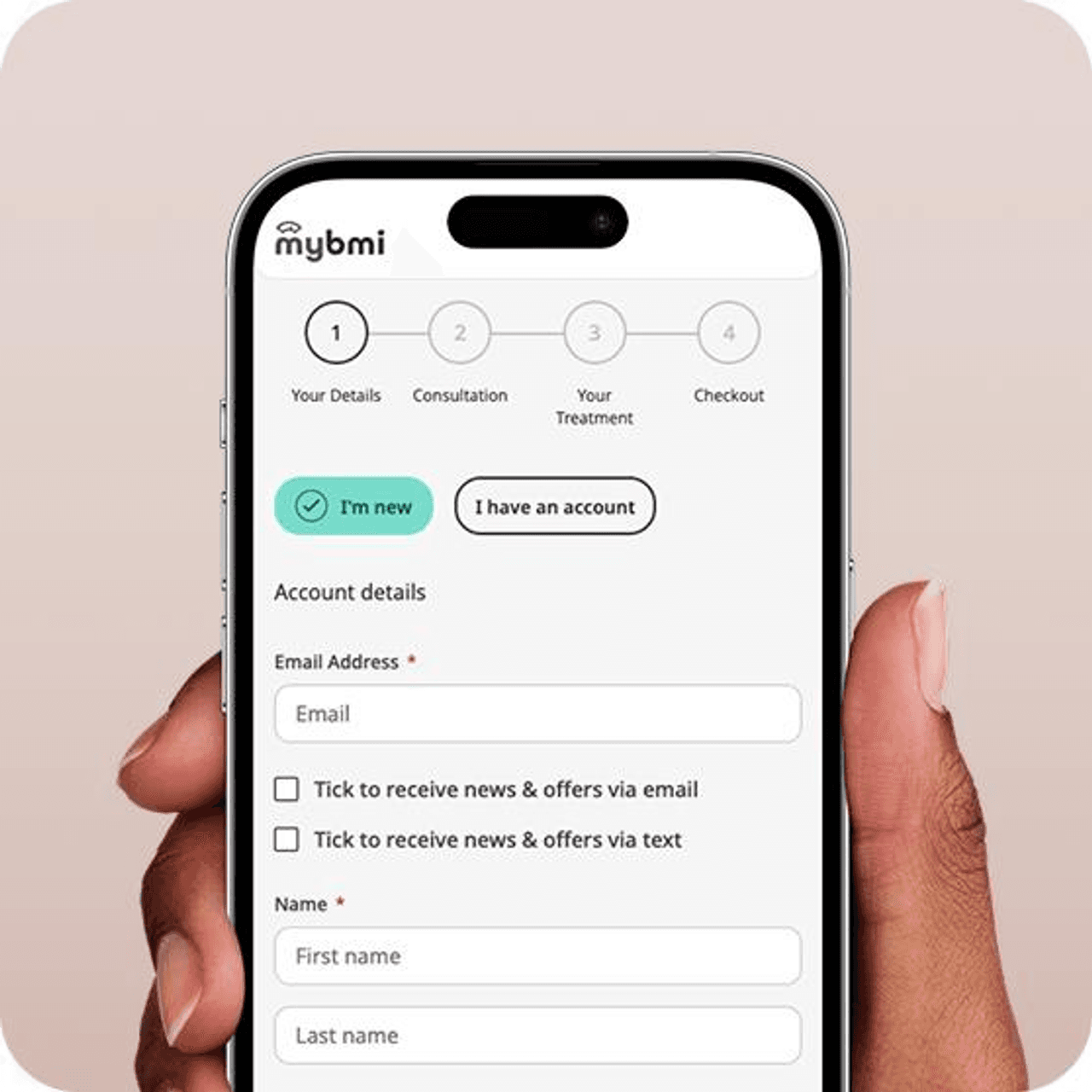
Start by checking your eligibility, then complete a fast, secure online consultation. An IMC registered Doctor reviews everything and, if you’re approved, your treatment plan begins.
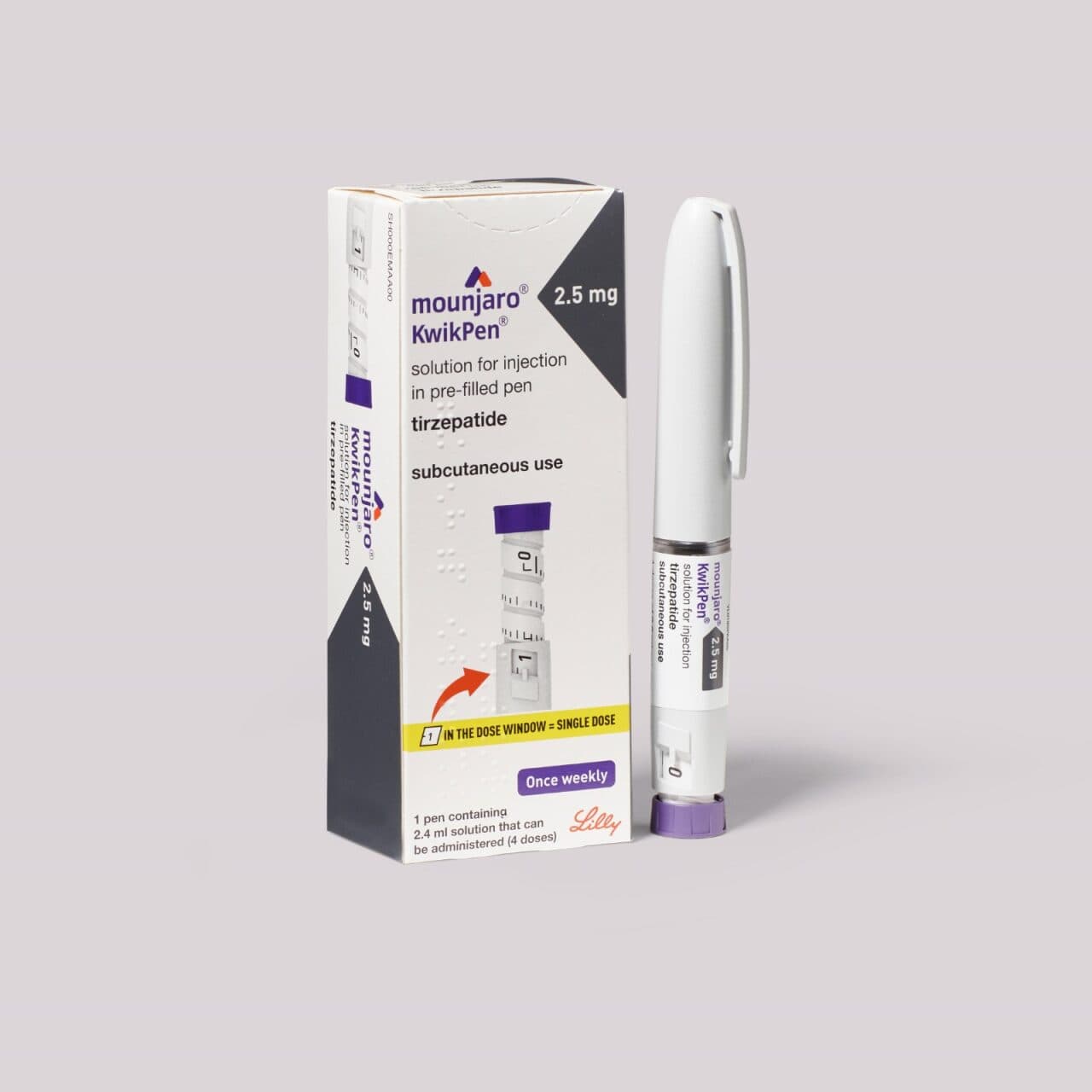
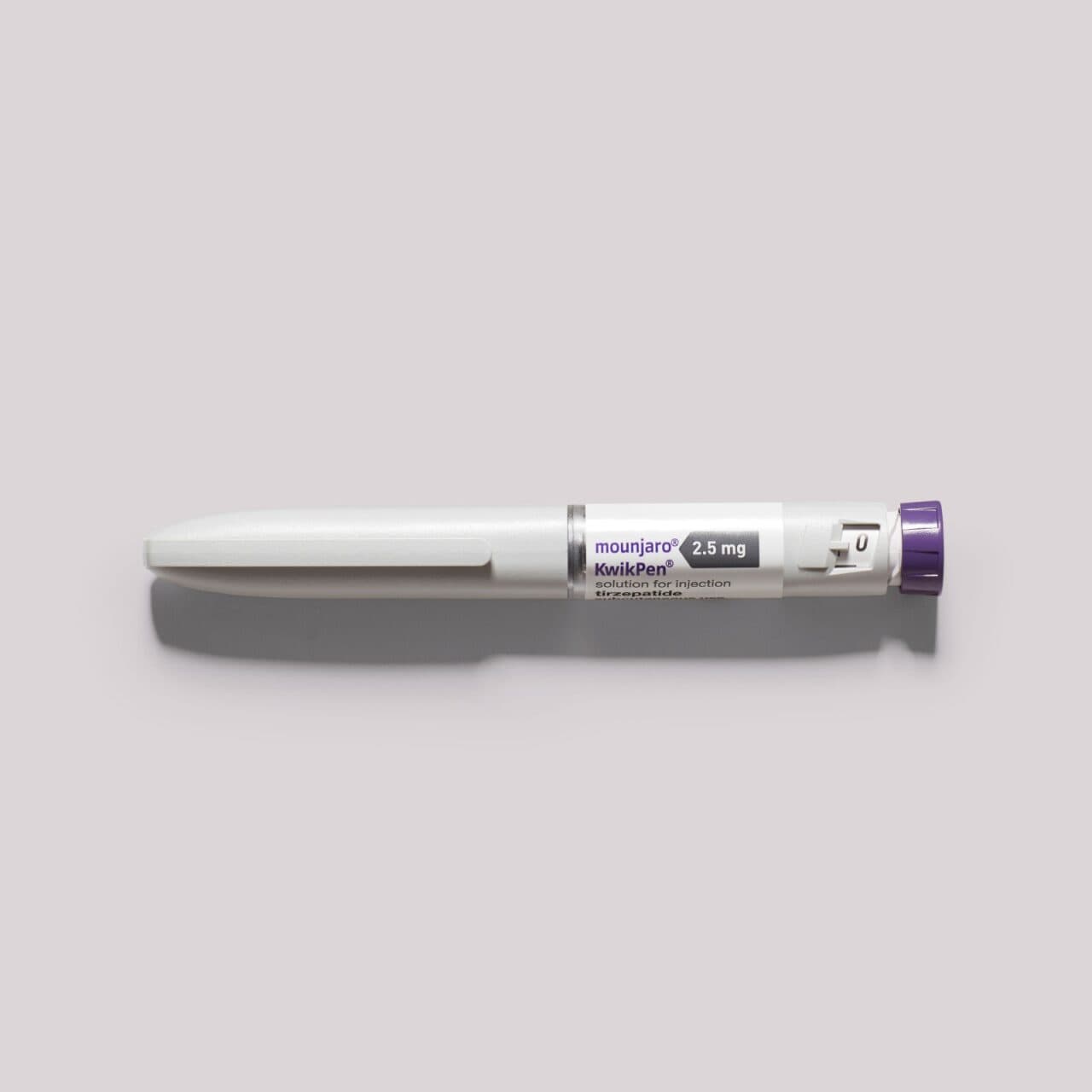


Our IMC Doctors and weight loss experts will review your consultation and decide whether treatment is safe and suitable for you.
Dose | myBMI - Consultation price | ePharm NI - Treatment price | myParcels - Courier | Total |
|---|---|---|---|---|
2.5mg | € 125.00 | € 149.00 | € 8.49 | € 282.49 |
5mg | € 135.00 | € 149.00 | € 8.49 | € 292.49 |
7.5mg | € 185.00 | € 149.00 | € 8.49 | € 342.49 |
10mg | € 205.00 | € 149.00 | € 8.49 | € 362.49 |
12.5mg | € 215.00 | € 149.00 | € 8.49 | € 372.49 |
15mg | € 235.00 | € 149.00 | € 8.49 | € 392.49 |
Mounjaro may be suitable if:
Mounjaro (tirzepatide) is a prescription-only weight loss injection that helps reduce appetite and support long-term weight management. It’s used alongside a healthy diet and lifestyle to help people with obesity or weight-related health conditions lose weight safely. Mounjaro contains tirzepatide, a type of medication known as a dual-acting hormone receptor agonist. It targets two natural hormones involved in blood sugar control and appetite regulation to help you feel fuller for longer and reduce food cravings. When taken consistently, Mounjaro can help you make sustainable lifestyle changes and maintain weight loss over time.
Mounjaro is manufactured by Eli Lilly and Company, a global healthcare firm that develops diabetes and obesity treatments. Eli Lilly holds the licence for tirzepatide and supplies Mounjaro across the UK under regulation by the Medicines and Healthcare products Regulatory Agency (MHRA). All Mounjaro pens dispensed by our partner pharmacy are sourced through approved, regulated supply chains that meet strict quality and safety standards.
Tirzepatide helps your body feel full for longer and keeps blood sugar levels steady. It copies the effects of two natural hormones that control appetite and digestion – GLP-1 and GIP. Together, they help you eat less and stay satisfied after meals. By calming hunger signals and helping your body use food more efficiently, Mounjaro supports steady, healthy weight loss when used alongside a balanced diet and regular activity.
Calculate your Body Mass Index to understand your weight category

Here's how our service works in three simple steps:
Start by completing a quick online consultation. This helps our IMC registered doctors and weight loss experts understand your health and decide whether treatment is safe and suitable for you. As part of this, you’ll be asked to submit photos to confirm your identity and your weight. These will only ever be viewed by your clinician.
Once your consultation has been reviewed, your clinician will decide if treatment is right for you. If approved, they’ll issue a prescription. We will send your prescription to our partner pharmacy. They will support with a courier collection of your medication. Alternatively, you can choose to collect your treatment in person or have your prescription sent to a Pharmacy of your choice.
Our doctors and weight loss experts will continue to support you throughout your treatment, and you can check in any time through your account for advice. We’ll review your progress regularly and work with you to help you achieve results that last.
Mounjaro is a prescription injection used to support weight loss and improve blood sugar control in adults living with overweight or obesity. It contains tirzepatide, a medication that reduces appetite and helps regulate metabolism when combined with lifestyle changes.
Mounjaro is taken once weekly using a pre-filled injection ‘Kwik’ pen and is designed for long-term weight management under medical supervision. It is typically prescribed to adults who have:
The active ingredient, tirzepatide (a GIP and GLP-1 receptor agonist), belongs to a newer class of medicines sometimes called dual incretin therapies. These medications influence hormones involved in appetite and blood sugar regulation.
By acting on multiple metabolic pathways, Mounjaro can help people feel less hungry, eat smaller portions, and improve metabolic health over time.
Mounjaro is manufactured by Eli Lilly, a global pharmaceutical company specialising in diabetes and metabolic treatments. The company developed tirzepatide and supplies Mounjaro internationally, including in Ireland.
Eli Lilly has a long history of developing medicines that target metabolic diseases such as diabetes and obesity. Mounjaro was originally developed for type 2 diabetes treatment, before being widely studied for weight management.
The medication has been authorised by regulatory authorities such as the European Medicines Agency (EMA) following clinical trials demonstrating its safety and effectiveness.
Tirzepatide works by activating two hormone pathways that influence appetite and metabolism. These hormones, called GLP-1 and GIP, help regulate hunger signals, digestion, and blood sugar levels.
By targeting both pathways, tirzepatide can:
GLP-1 (glucagon-like peptide-1) is a hormone released after eating that helps regulate appetite and blood sugar levels. Tirzepatide activates GLP-1 receptors in the body, producing effects that support weight management.
When GLP-1 receptors are activated:
These effects contribute to reduced calorie intake and improved metabolic control.
GIP (glucose-dependent insulinotropic polypeptide) is another hormone involved in regulating metabolism. Tirzepatide activates GIP receptors, which influence insulin production and how the body processes nutrients.
Activation of GIP receptors can:
This additional pathway helps support the medication’s broader metabolic effects.
Tirzepatide works by activating both GLP-1 and GIP receptors at the same time. This dual action influences appetite, digestion, and metabolic regulation more broadly than treatments that target a single hormone.
Together, these mechanisms help people:
Mounjaro can lead to substantial weight loss when combined with diet and physical activity. Clinical trials show that tirzepatide can help many people lose a significant percentage of their starting body weight over time, making it one of the most effective medications currently used for weight management.
Clinical trials suggest that some people taking Mounjaro may lose around 15 to 22% of their starting body weight when the medication is combined with lifestyle changes. Results vary depending on dose, treatment duration, and individual health factors.
Weight loss outcomes may depend on:
Because obesity is a complex, long-term condition, the most successful outcomes typically occur when medication is used as part of a structured weight management programme.
Many people begin noticing changes in appetite within the first few weeks of starting Mounjaro. However, meaningful weight loss usually develops gradually over several months as the dose increases and treatment continues.
Treatment begins with a lower starting dose, which is gradually increased during the titration phase. This helps the body adjust to the medication and reduces the likelihood of digestive side effects.
During the early stages of treatment, patients often notice:
Weight loss becomes more noticeable as the dose increases and the medication reaches its full therapeutic effect.
Some weight regain can occur if Mounjaro treatment is stopped. This is because the medication’s effects on appetite regulation and metabolism gradually wear off once treatment ends.
Clinical research suggests that medications targeting appetite hormones are most effective when used as part of a long-term weight management strategy. Maintaining healthy eating habits and regular physical activity can help support weight maintenance after treatment.
Healthcare professionals typically review treatment regularly to determine whether continuing medication remains appropriate and beneficial.
myBMI enables people in Ireland to access a Mounjaro prescription through a clinically reviewed online service. You begin by completing a medical consultation, which is assessed by a qualified prescriber. If the treatment is appropriate for you, a prescription may be issued, and you’ll receive guidance on how to use it safely as part of a wider weight management plan.
The myBMI service is built around safe, supported care. Alongside prescribing, patients receive structured weight management support, including a clinical assessment, information about treatment, and ongoing check-ins while using the medication. This approach helps ensure treatment is used responsibly and with the right medical oversight throughout your journey.
With myBMI, support continues throughout your Mounjaro treatment. The clinical team is here to guide you on your weight loss journey, offering advice to help you stay on track, manage any side effects, and build sustainable lifestyle habits alongside your treatment.
Because weight management is a long-term process, ongoing care is essential. During treatment, patients may receive follow-up support, practical information about their medication, and monitoring to help ensure the treatment remains suitable and continues to work effectively.
The myBMI service provides a complete care pathway for people considering Mounjaro, including an online consultation, clinical review, and ongoing support during treatment. Your consultation is assessed by a qualified prescriber to determine whether the medication is suitable for you.
If you are eligible, the prescriber can issue a prescription and provide guidance on how to use the treatment safely as part of a wider weight management plan.
You will begin by completing an online consultation that asks about your medical history, current medications, and weight management goals. This information is reviewed by a clinician to assess whether Mounjaro may be an appropriate treatment option for you.
If a clinician confirms that Mounjaro is appropriate for you, a prescription can be issued following the consultation. The prescription is then sent electronically to a partner pharmacy so the medication can be prepared and dispensed.
Patients are provided with practical information and support to help build healthier habits during treatment. This can include guidance on balanced nutrition, managing portion sizes, and incorporating regular physical activity into daily routines.
myBMI offers ongoing clinical supervision throughout treatment, helping track progress and ensure the medication continues to be suitable and used safely as your weight loss journey progresses.
Starting a new treatment can come with questions, which is why myBMI focuses on supporting patients throughout their entire journey. If side effects happen, our clinical team provides guidance to help you understand what is normal, how to manage common symptoms, and when it may be important to seek further medical advice.
Patients are given clear information about symptoms like nausea, bloating, tiredness, constipation, or diarrhoea. Where appropriate, we also provide complimentary treatments to help relieve common side effects and make the adjustment to medication more comfortable.
“At myBMI, our focus is not just on prescribing treatment, but on supporting patients throughout the entire process. With regular guidance, clinical oversight, and practical advice, we help patients navigate treatment safely while building habits that support long-term weight management.”
Niya Mansuri — myBMI prescribing clinician
Mounjaro treatment begins at a low dose and gradually increases over time. This process, known as dose titration, allows the body to adjust to tirzepatide while reducing the risk of digestive side effects like nausea or bloating.
The medication is taken once per week using a pre-filled injection pen. Doses are increased gradually until an effective maintenance dose is reached. Not every patient progresses through titration at the same pace, and clinicians may adjust the schedule depending on tolerance and response to treatment.
Mounjaro comes in several dose strengths that are introduced slowly throughout treatment. The initial dose helps the body adjust to the medication before increasing to higher therapeutic doses.
The available Mounjaro doses include:
Your clinician will determine the most appropriate dose based on treatment response, tolerability, and overall health.
| Weeks | Dose | Why you might stay here |
|---|---|---|
| 1-4 | 2.5mg | Starter dose to help your body adjust and reduce the chance of side effects |
| 5-8 | 5mg | Next dose up, where many people begin to notice appetite change |
| 9-12 | 7.5mg | Dose increases if you are tolerating treatment well |
| 13-16 | 10mg | Next step for additional treatment support if clinically appropriate |
| 17-20 | 12.5mg | Further increases for people who need more effect and are managing side effects |
| 21+ | 15mg | The highest approved maintenance dose for ongoing treatment |
The most effective dose of Mounjaro can be different for everyone. While clinical trials show that higher doses often lead to greater weight loss, the right dose depends on how your body responds and how well you tolerate the medication.
Some people notice good results on lower doses, while others may benefit from increasing their dose over time. Your clinician will review your progress regularly and adjust your treatment if needed, helping you find the dose that works best for you.
Mounjaro 5mg is usually the first treatment dose after the 2.5mg starter dose. Many people stay on this dose for a few weeks to allow their body to adjust to the medication.
At this stage, some people start to notice their appetite decreasing, feel fuller after meals, and begin to see gradual weight loss. If the medication is well tolerated and more support is needed, your clinician may recommend increasing the dose.
Mounjaro doses are increased gradually so your body has time to adjust to the medication. Starting on a lower dose helps reduce the chance of common digestive side effects while your body gets used to how tirzepatide affects appetite and metabolism.
Increasing the dose slowly helps to:
Several prescription medications are used to support weight loss, including Mounjaro, Wegovy, and Ozempic. While these treatments all influence appetite and metabolism, they contain different active ingredients and work through slightly different hormonal pathways.
Understanding the differences between these medications can help patients and clinicians choose the most appropriate treatment based on medical history, treatment goals, and tolerability.
Mounjaro and Wegovy are both used for weight management. However, they contain different active ingredients and work on different hormones involved in appetite and blood sugar control.
| Mounjaro | Wegovy | |
|---|---|---|
| Active ingredient | Tirzepatide | Semaglutide |
| Drug type | Dual GIP and GLP-1 receptor agonist | GLP-1 receptor agonist |
| Typical dosing | Once weekly | Once weekly |
| Primary use | Type 2 diabetes and weight management | Weight management |
| Mechanism | Targets both GIP and GLP-1 hormones | Targets GLP-1 hormone only |
Tirzepatide activates two appetite-regulating hormone pathways, while semaglutide activates only the GLP-1 pathway. Because of this dual mechanism, clinical trials have shown that tirzepatide can produce substantial weight loss in some patients when combined with lifestyle changes.
However, the most suitable treatment depends on individual factors such as medical history, medication tolerance, and clinician guidance.
Yes, it is possible to switch from Wegovy to Mounjaro if your clinician decides that another treatment may suit you better. This might be recommended if your weight loss has plateaued, you are experiencing side effects, or your treatment goals have changed.
Because both medications affect hormones that control appetite, the timing of the switch needs to be carefully planned. In most cases, you would start Mounjaro at the introductory dose and increase it gradually following the normal dosing schedule.
You should only switch between these medications under a clinician's guidance to ensure the change is safe and appropriate for you.
Mounjaro and Wegovy tablets are prescription weight loss treatments that can help you lose weight by reducing appetite and helping you feel fuller for longer.
Wegovy tablets contain semaglutide and are taken once daily. Mounjaro contains tirzepatide and is currently available as a weekly injection.
Your prescriber will recommend the most suitable treatment based on your health, weight loss goals, and medical history.
Feature | Wegovy tablets | Mounjaro |
Active ingredient | Semaglutide | Tirzepatide |
How it works | Mimics the GLP-1 hormone to help control appetite | Targets both GLP-1 and GIP receptors involved in appetite regulation |
How it's taken | Tablet taken once daily | Injection taken once weekly |
Needles required? | No | Yes |
Dosing routine | Daily treatment that must be taken on an empty stomach | Weekly treatment that can be taken with or without food |
If you're thinking about switching from Mounjaro to Wegovy pills, it's important to speak to your prescriber before making any changes.
Although both treatments help with weight management by reducing appetite, they contain different active ingredients. This means your prescriber will need to guide you towards the right dose for the current stage of your journey.
Mounjaro and Ozempic are both injectable medications that influence hormones involved in appetite and blood sugar regulation, but they are approved for different purposes.
| Mounjaro | Ozempic | |
|---|---|---|
| Active ingredient | Tirzepatide | Semaglutide |
| Drug type | Dual GIP and GLP-1 receptor agonist | GLP-1 receptor agonist |
| Primary use | Type 2 diabetes and weight management | Type 2 diabetes |
| Typical dosing | Once weekly | Once weekly |
While Ozempic is primarily prescribed to manage type 2 diabetes, Mounjaro has been widely studied for its potential to support both blood sugar control and weight management.
Clinicians may choose the most appropriate medication based on individual health conditions, treatment goals, and prescribing guidance.
People who are eligible for Mounjaro in Ireland are usually adults living with overweight or obesity who have not been able to lose weight through lifestyle changes alone.
In most cases, treatment may be considered if you have:
Before prescribing Mounjaro, a clinician will review your medical history, current medications, and overall health to make sure the treatment is safe and appropriate for you.
Mounjaro is generally prescribed for adults aged 18 and over. Eligibility is determined by a healthcare professional after reviewing medical history, current medications, and potential risk factors.
Mounjaro should not be used during pregnancy or breastfeeding. This is due to a lack of safety data and potential risks to the infant.
Mounjaro may affect the absorption of oral contraceptive pills during the early stages of treatment. Because tirzepatide slows stomach emptying, it can temporarily influence how some medications are absorbed.
Mounjaro is not the right option for everyone. Your clinician will review your medical history and overall health to make sure the treatment is safe for you before prescribing it.
You may not be able to use Mounjaro if you:
It is also important to tell your clinician if you:
Reviewing this information helps your clinician decide whether Mounjaro is a safe and appropriate treatment for you.
Most people tolerate Mounjaro well, but some people do experience side effects, particularly when first starting treatment or when their dose is increased. This is because the medication affects how the stomach empties and how appetite signals work in the body.
The most commonly reported side effects involve the digestive system. These can include:
These effects are often temporary and may settle as your body adjusts to the medication. The gradual dosing schedule is designed to help reduce the likelihood of side effects while treatment is being introduced.
Some people find symptoms easier to manage by eating smaller portions, choosing lighter meals, and drinking plenty of fluids.
If you experience symptoms that are severe, unusual, or do not improve over time, you should contact a healthcare professional for advice.
Serious side effects from Mounjaro are uncommon, but they can occur and require medical attention. Patients should be aware of warning signs and seek urgent medical advice if severe or unusual symptoms develop during treatment.
Possible serious side effects include:
These symptoms may indicate a serious allergic reaction or inflammation of the pancreas, both of which require immediate medical assessment.
Mounjaro can be taken with many other medicines, but your clinician needs to know about everything you are using before you start treatment. This includes prescription medicines, over-the-counter treatments, and supplements.
Because Mounjaro slows how quickly the stomach empties, it can affect how fast some tablets are absorbed into the body. This does not usually stop other medicines from working, but your clinician may review your medications or adjust how they are taken to make sure treatment remains safe and effective.
Particular care may be needed for people taking:
A healthcare professional will review your medication history during consultation to ensure Mounjaro can be used safely alongside other treatments.
Mounjaro is generally considered safe for many people when it’s prescribed and supervised by a qualified healthcare professional. As with any prescription medication, a medical assessment is required first to confirm that the treatment is suitable for you.
Safe use of Mounjaro typically involves:
Mounjaro may not be appropriate for everyone. Before recommending treatment, a clinician will carefully review your medical history, current medications, and any potential risk factors to determine whether it is a suitable option.
Mounjaro may provide several health benefits beyond weight loss. By improving appetite regulation, blood sugar control, and metabolic function, the medication may help reduce risk factors for obesity-related conditions, such as cardiovascular disease and insulin resistance.
Mounjaro may support cardiovascular health by improving several risk factors linked to heart disease. Weight loss, improved blood sugar control, and reductions in certain metabolic markers may contribute to lower cardiovascular risk in people living with obesity or type 2 diabetes.
Weight loss achieved with Mounjaro may contribute to modest reductions in blood pressure. Excess body weight is closely linked to hypertension, so improvements in body weight and metabolic health may help support healthier blood pressure levels.
Tirzepatide can improve how the body responds to insulin, helping regulate blood sugar levels more effectively. By targeting hormones involved in glucose control, the medication may support improved insulin sensitivity and better metabolic balance in some patients.
| Possible side effects | Proven benefits | |
|---|---|---|
| Mounjaro (tirzepatide) | Nausea, bloating, constipation, diarrhoea, tiredness. Rare serious side effects include pancreatitis symptoms or severe allergic reactions. | Clinically significant weight loss in trials, improved blood sugar control, improved insulin sensitivity, and some reductions in some metabolic risk factors associated with obesity. |
Proper storage and injection technique help ensure Mounjaro works safely and effectively. Patients should follow the instructions provided with the injection pen and any guidance given by their clinician or pharmacist.
To keep Mounjaro working properly, it’s important to store it at the right temperature.
Before you use it, the injection pen should be kept in the fridge at 2°C to 8°C. Keep it in its original packaging to protect it from light, and do not freeze it. If the pen has been frozen, it should not be used.
If needed, a Mounjaro pen can be kept out of the fridge at room temperature, up to 30°C, for a limited period. However, it should always be stored safely and away from direct heat or sunlight.
Always check the storage instructions that come with your medication and follow the guidance provided with your specific pen.
Yes. Mounjaro should usually be kept in a refrigerator before it is used. The pens should be stored at 2°C to 8°C, which helps keep the medication stable and ensures it works as intended.
Keeping the injection within this recommended temperature range helps maintain its effectiveness until you are ready to use it.
Mounjaro is taken as a once-weekly injection under the skin. The pen is designed to be simple to use, but it is important to follow the correct steps each time you inject to ensure the dose is delivered safely and effectively.
Preparing the injection:
Giving the injection:
After your injection:
If you forget to take your scheduled Mounjaro injection, follow these guidelines:
Do not take two doses at the same time to make up for a missed injection.
Mounjaro is injected under the skin (a subcutaneous injection). The best places to inject, and the recommended areas, are the abdomen (belly), thigh, or upper arm. These areas make it easier for the medication to be absorbed properly.
Rotating injection sites each week can help reduce skin irritation and keep injections more comfortable.
The back of the upper arm can be used as an injection site. Some people may find this area easier to use if another person assists with the injection.
The front of the thigh is a common injection site and is often easy to reach when self-injecting. Many people find this area comfortable and convenient to use.
The abdomen (belly) is a popular place to inject. Choose a spot a few centimetres away from the belly button and use a slightly different area each time to help prevent skin irritation.
If you inject too much Mounjaro, contact a medical professional for advice. Taking too much medication can increase the risk of side effects such as nausea, vomiting, or digestive discomfort and serious side effects.
Once the injection is complete, carefully withdraw the needle and place it in an appropriate sharps container. If you notice a small spot of blood, lightly press the area with a clean tissue or cotton pad. Try not to rub or massage the skin afterwards.
After use, both the Mounjaro pen and needle should be placed in a sharps bin. Follow the disposal advice provided by your pharmacy or healthcare professional so that medical waste is handled safely and the risk of accidental needle injuries is reduced.
There's a small but beneficial change coming to the Mounjaro pen. Eli Lilly has updated the design to help make your treatment even more straightforward.
From April 2026, you may start to see the updated pen in Ireland. During the changeover, you might get either version depending on our current stock.
The updated pen has been designed to cut down on leftover medicine and make it clearer when you've reached your last dose. Here's what's different:
What you eat can make a big difference to how well Mounjaro works for you. Although the medication helps to reduce appetite, building balanced and healthy eating habits can support steady weight loss and may also help minimise digestive side effects while you are on treatment.
Some foods may make stomach-related side effects more noticeable while using Mounjaro, especially when starting treatment. Choosing lighter meals and eating little and often can help reduce symptoms like nausea or discomfort.
Foods that people sometimes find harder to tolerate include:
You do not have to completely avoid alcohol while using Mounjaro, but it is generally advised to drink in moderation. For some people, alcohol can make side effects like nausea or stomach upset more noticeable.
Carbonated drinks, including zero-sugar fizzy drinks, can sometimes make bloating or stomach discomfort more noticeable while taking Mounjaro. The bubbles in these drinks create gas in the stomach, which may feel stronger because the medication slows digestion and stomach emptying.
Staying physically active can help support your weight loss progress while using Mounjaro. Exercise helps your body use energy more efficiently, supports heart health, and can make it easier to maintain weight loss over time alongside the appetite-reducing effects of the medication.
For general health and weight management, adults are usually encouraged to aim for around 150 minutes of moderate activity each week. When combined with treatment and supportive eating habits, regular movement can help improve overall wellbeing and support weight loss.
Moderate activities might include:
Including some strength or resistance exercise can also be beneficial, as it helps maintain muscle while you are losing weight.
The price of Mounjaro through myBMI includes both the clinical review and the medication prescription. As part of the process, a qualified prescriber assesses your consultation to check that the treatment is suitable and safe for you.
If you meet the eligibility criteria, the prescription is then issued, and the medication is supplied by a partner pharmacy.
The consultation cost reflects the clinical assessment and prescribing process, while the treatment cost covers the medication supplied by the partner pharmacy.
Dose | myBMI - Consultation price | ePharm NI - Treatment price | myParcels - Courier | Total |
|---|---|---|---|---|
2.5mg | € 125.00 | € 149.00 | € 8.49 | € 282.49 |
5mg | € 135.00 | € 149.00 | € 8.49 | € 292.49 |
7.5mg | € 185.00 | € 149.00 | € 8.49 | € 342.49 |
10mg | € 205.00 | € 149.00 | € 8.49 | € 362.49 |
12.5mg | € 215.00 | € 149.00 | € 8.49 | € 372.49 |
15mg | € 235.00 | € 149.00 | € 8.49 | € 392.49 |
myBMI provides the medical consultation and prescription assessment for Mounjaro. If the treatment is considered safe and appropriate, a prescriber can issue a prescription.
The medication itself is then supplied by a licensed partner pharmacy, which dispenses and delivers the treatment following standard pharmacy procedures.
Approved prescriptions from myBMI are sent to the partner pharmacy, Epharm NI, which is responsible for dispensing the medication. Once the prescription is received, the pharmacy prepares the treatment and supplies it in accordance with pharmacy regulations and prescribing standards.
| Mounjaro | |
|---|---|
| Drug type | Dual GIP and GLP-1 receptor agonist |
| Active ingredient | Tirzepatide |
| Possible % weight loss | Around 15 to 20% average weight loss in clinical trials |
| Benefits | Reduces appetite, helps people feel fuller for longer, supports blood sugar regulation, may improve metabolic health markers. |
| Side effects | Nausea, bloating, constipation, diarrhoea, tiredness (most common during dose increases) |
| Cost range | Approximately €282.99 to €392.99 per month depending on consultation cost and dose. |
“Mounjaro is a treatment that can help many adults with weight management by reducing appetite and improving the way the body handles blood sugar and metabolism. For a lot of people, that means feeling fuller sooner and finding it easier to stick to healthier eating habits. When it’s prescribed with proper medical supervision and combined with support around lifestyle changes like diet and activity, it can help people achieve meaningful weight loss and maintain those results over the long term.”
Niya Mansuri — myBMI prescribing clinician
Start by checking your eligibility, then complete a fast, secure online consultation. An IMC registered Doctor reviews everything and, if you’re approved, your treatment plan begins.

You’ve started treatment, and you’re beginning to see results. You’re building healthier habits, feeling more confident, and noticing wins outside the scales. Think looser clothing and more energy for the things you love.

You’ve settled into a routine that supports real, lasting change. The habits you’ve built now help keep the weight off for good, and our doctors and weight loss specialists continue to guide you every step of the way.
Our licensed IMC registered doctors and obesity experts specialise in weight management and oversee every treatment, giving you safe, reliable support throughout your journey.
It’s natural to have questions, and we’re here to keep things straightforward so you can stay focused on your journey.
Get support%201-1.png&w=750&q=75)
%201.jpg&w=750&q=75)
%201.jpg&w=750&q=75)