Wegovy side effects and how to deal with them
Written by:

02 Oct 2026 • 13 min read
Reviewed and fact-checked:

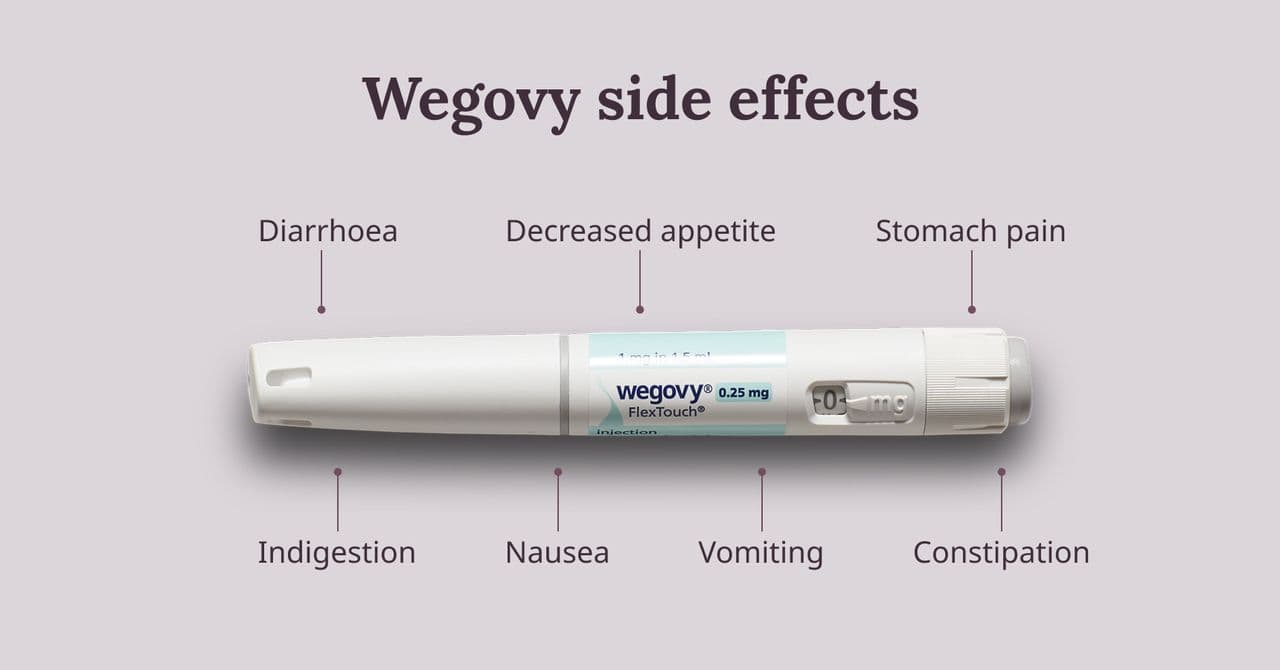
Wegovy can be a powerful tool for weight loss, but like most medications, it can come with side effects – especially in the early days or after a dose increase.
For most people, these side effects are mild and tend to improve as the body adjusts to treatment. Many can also be eased with simple changes to how you eat, drink and pace your doses.
In this guide, we’ll explain the most common side effects of Wegovy and what you can do to manage them.
Key points:
- Most Wegovy side effects are mild and improve over time, with many people finding that symptoms settle within a few weeks as their body adjusts to the medication.
- The most common side effects are nausea, vomiting, diarrhoea, constipation, stomach pain, and acid reflux, and these are usually reduced by starting on a low dose and increasing it gradually.
- Support and treatment options are available if side effects occur, and your prescriber can offer practical advice, dietary guidance, or adjust your plan to help you manage them.
What are the common Wegovy side effects?
The most commonly reported side effects include:
- Nausea and vomiting
- Diarrhoea or constipation
- Stomach pain and bloating
- Dizziness
- Headache or fatigue
- Low blood sugar (more likely in people with type 2 diabetes, especially when Wegovy is taken with other diabetes medication)
- Acid reflux and heartburn
- Insulin resistance
Symptoms tend to vary from person to person, and most should settle as your body gets used to the medication.
Most people who experience side effects with Wegovy notice them in the first few weeks of treatment or shortly after a dose increase. This is usually just a normal part of your body adjusting to the medication.
Wegovy pill vs Wegovy injection side effects
Since the Wegovy pill and Wegovy injections contain the same active ingredient, semaglutide, their most common side effects are similar.
The main difference is that you won’t get any injection site reactions with the Wegovy pill, as it’s taken orally.
Dealing with nausea on Wegovy
Nausea is one of the most common side effects when starting Wegovy or increasing your dose. It usually happens in the early weeks and often improves as your body adjusts. There are several ways to manage it.
Dietary changes:
- Small meals
Eating smaller portions more often can prevent your stomach from feeling too full, which can trigger nausea. Eat slowly and stop when comfortably full. - Cold and bland foods
Cold foods have less smell and may be easier to tolerate. Options like yoghurt, toast, dry crackers, rice, or bananas can feel gentler on the stomach. - Ginger or peppermint tea
Sipping ginger or peppermint tea between meals may help settle queasiness.
Home remedies:
- Ginger
This can be taken as tea, capsules, ginger biscuits, or small amounts added to food. - Sour tastes
Lemon slices or sugar free sour sweets may reduce nausea for some people. - Acupressure
Gentle pressure on the inner wrist, around three finger widths below the palm, may help ease symptoms.
Medication may help
If nausea is persistent or affecting your ability to eat and drink, anti nausea medication such as prochlorperazine may be prescribed for short term relief.
If nausea becomes severe or you cannot keep fluids down, seek medical advice.
Dealing with vomiting on Wegovy
Vomiting can occur alongside nausea, particularly after starting treatment or increasing your dose. It usually improves as your body adapts, but it can feel unpleasant in the meantime.
Dietary changes:
- Small sips of fluids
Sip water regularly rather than drinking large amounts at once. - Plain, bland foods
Stick to simple foods like toast, rice, crackers, or bananas once you feel able to eat. - Avoid heavy or fatty meals
Rich foods can worsen stomach upset.
Home remedies:
- Ginger
Ginger tea or small amounts of ginger may help calm the stomach. - Peppermint
Peppermint tea may help ease stomach discomfort. - Rest
Sitting upright after eating can reduce the risk of further vomiting.
Medication may help
If vomiting continues, your prescriber may recommend anti nausea medication for short term support.
If you are unable to keep fluids down or show signs of dehydration, seek medical advice promptly.
Dealing with diarrhoea on Wegovy
Diarrhoea is another common digestive side effect, particularly in the early stages of treatment or after dose increases. It often settles as your body adjusts.
Dietary changes:
- Drink fluids
Sip water regularly throughout the day to replace lost fluids. - Avoid caffeine and fizzy drinks
These can irritate the gut and worsen symptoms. - The BRAT approach
Bananas, rice, apple sauce, and toast can help firm stools in the short term.
Home remedies:
- Electrolytes
Oral rehydration solutions can replace lost salts and reduce the risk of dehydration. Only take electrolytes if it's safe for you to do so. If you have any form of kidney problems, speak to a clinician beforehand. - Peppermint tea
May help relax the gut and reduce cramping. - Ginger
Can ease stomach discomfort.
Medication may help
Short term use of loperamide may help slow bowel movements. Always follow the instructions on the packet.
If diarrhoea is severe, ongoing, or linked with dizziness or weakness, seek medical advice.
Dealing with constipation on Wegovy
Some people experience constipation instead of diarrhoea. This can happen as digestion slows down on treatment. It often improves with simple lifestyle adjustments.
Dietary changes:
- Increase fluids
Drink water regularly throughout the day. - Add fibre gradually
Introduce fibre rich foods slowly to avoid bloating. - Regular meals
Eating consistently can help support bowel movement patterns.
Home remedies:
- Gentle movement
Walking and light activity can stimulate the bowel. - Peppermint tea
May help reduce bloating and discomfort. - Routine
Try to use the bathroom at the same time each day without rushing.
Medication may help
If constipation persists, your pharmacist or prescriber can recommend suitable laxatives for short-term use.
If constipation becomes painful, severe, or ongoing despite these steps, seek medical advice.
Dealing with stomach pain and bloating from Wegovy
Digestion slows slightly when taking Wegovy, which can lead to stomach discomfort and bloating.
Dietary changes
Small changes to how and when you eat can ease pressure on the stomach and reduce bloating.
Eat smaller meals
Large meals can stretch the stomach and make you feel more uncomfortable. Smaller portions eaten slowly are easier to digest and less likely to cause bloating.
Stay hydrated
Drinking plenty of water helps digestion and can reduce bloating and stomach pain. Remember to sip fluids regularly throughout the day rather than in large amounts.
Home remedies
These home remedies may also help with bloating.
Herbal teas
Teas such as chamomile or peppermint can help relax the digestive system and ease trapped wind and cramping. A warm drink after meals is often particularly soothing.
Probiotics
Probiotics helps support healthy gut bacteria and can reduce bloating for some people. These can be taken as capsules or through foods like yoghurt or kefir.
Stay upright after eating
Lying down too soon after a meal can worsen bloating. Try to remain upright for at least 30 minutes after a meal to help food move through the stomach more comfortably.
Short walks
A gentle walk after eating can stimulate digestion and help relieve trapped gas. Even five to ten minutes can make a difference.
If stomach pain becomes severe or is accompanied by vomiting, fever or black stools it’s important to seek medical advice immediately.
Dealing with acid reflux and heartburn from Wegovy
Some people notice increased heartburn or acid reflux while taking Wegovy, particularly in the early stages of treatment. This usually settles as the body adjusts, but there are several practical ways to reduce irritation in the meantime.
Dietary changes
Small shifts in eating habits can make reflux much easier to manage, whatever the cause.
Avoid spicy and fatty foods
Avoid spicy dishes and greasy or fatty meals as they can trigger reflux. Choose simple, lower-fat meals to reduce discomfort.
Eat slowly and chew thoroughly
Taking your time with meals can reduce how much air you swallow with each bite, helping food move through the stomach and lowering the chance of acid coming back up.
Drink water between meals
Sipping water between meals rather than with large mouthfuls of food can prevent the stomach from becoming overly full and reduce pressure that may lead to reflux.
Home remedies
A few everyday habits can help calm heartburn without medication.
Ginger or peppermint tea
Warm herbal teas can soothe the digestive system and reduce irritation. If peppermint worsens your reflux, switch to ginger or chamomile instead.
Chewing gum
Chewing gum increases saliva production, which can help neutralise acid and wash it back down into the stomach.
No smoking or vaping
Smoking and vaping both weaken the valve that keeps acid in the stomach and can make reflux much worse. Reducing or stopping smoking or vaping can significantly improve symptoms.
Acid reflux medications and treatments
If lifestyle measures aren’t enough, medication may help control acid levels and related symptoms.
Omeprazole
Omeprazole reduces how much acid the stomach produces and is often used for short-term relief of reflux and heartburn.
Lansoprazole
Lansoprazole works in a similar way to omeprazole and can be an effective alternative if the other isn’t suitable for you.
Gaviscon
Gaviscon forms a protective layer over the stomach, helping prevent acid from rising into the throat. It can be used after meals or before bed for quick relief.
If heartburn is severe or associated with difficulty swallowing, chest pain or unexplained weight loss, you should seek medical advice.
Dealing with dizziness from Wegovy
Dizziness can sometimes occur while taking Wegovy, often as a secondary effect of nausea or low blood sugar. Like many of Wegovy’s side effects, it’s usually temporary, but it’s important to take it seriously – especially if it affects your balance.
Dietary changes
Keeping your body well-fuelled with the right food and fluids can reduce the chance of feeling lightheaded.
Stay hydrated
Not drinking enough water is a common cause of dizziness. Sip water regularly throughout the day, particularly if you’ve also had vomiting or diarrhoea.
Avoid caffeine and alcohol
Caffeine and alcohol can worsen dehydration and trigger dizziness. Limiting or avoiding them completely while symptoms are present can help you feel better.
Prioritise protein
Including protein in your meals and snacks helps keep blood sugar levels stable. This can reduce symptoms, especially in people with diabetes.
Home remedies
Simple steps taken at home can often settle dizziness.
Lie down and rest
If you feel dizzy, sit or lie down straight away to reduce the risk of falling. Rest until the sensation passes and stand up slowly when you feel steadier.
Check for low blood sugar
If you have diabetes, check your blood sugar when you feel dizzy. Treat low readings promptly and in line with your usual plan.
If dizziness is severe or accompanied by fainting, chest pain or confusion, you should seek medical advice urgently.
Dealing with low blood sugar from Wegovy (in people with type 2 diabetes)
Low blood sugar can occur in people with type 2 diabetes who take Wegovy alongside other diabetes medications. While this is not common for everyone, it’s important to recognise the signs early and know how to respond.
Dietary changes
Careful food choices and meal timings can help keep blood sugar levels steady.
Fast carbs (the 15:15 rule)
If you feel symptoms of low blood sugar, take 15 grams of fast-acting carbohydrate – such as glucose tablets, fruit juice or sugary sweets – then recheck your blood sugar after 15 minutes. Repeat if needed until levels return to a safe range.
Opt for healthy low GI foods
Choosing low glycaemic index (GI) foods –such as wholegrains and vegetables– can help release glucose more slowly and reduce sharp changes to blood sugar levels.
Eat smaller, more frequent meals
Spacing meals and snacks evenly through the day can prevent long gaps without food and lower the risk of sudden drops in blood sugar.
Limit alcohol and caffeine
Alcohol can cause delayed drops in blood sugar while caffeine can mask early warning symptoms of low blood sugar of low blood sugar. Keeping both to a minimum makes symptoms easier to manage.
If you experience frequent low blood sugar episodes or if readings fall very low, you should speak to your doctor as your medication doses may need adjusting.
Are there any more serious side effects of Wegovy?
Serious side effects with Wegovy are rare, and most people never experience them, but it’s still important to be aware of the warning signs so you know when to seek medical advice if needed.
Some uncommon but more serious side effects include:
- Pancreatitis – inflammation of the pancreas can cause severe upper abdominal pain that may spread to the back, often with vomiting.
- Severe allergic reactions – these may include swelling of the face, lips, tongue or throat, difficulty breathing or a widespread rash. This is a medical emergency and needs immediate attention.
- Thyroid cancer – very rare cases have been reported in animal studies and in a small number of humans. Report any new lumps in the neck, hoarseness or difficulty swallowing to your doctor.
- Vision changes – some people with diabetes may notice changes in vision, particularly if blood sugar levels change quickly.
It’s worth emphasising that these side effects are uncommon and Wegovy is prescribed with careful screening and regular follow-ups.
“It’s easy to read about serious side effects and worry about how they might affect you. In reality, serious side effects are extremely rare, and most people will never experience them. Even the more common side effects do not happen to everyone. When they do occur, they can usually be managed quickly and effectively with a few simple changes to your diet or daily routine. Try not to let fear of side effects stop you from making a positive change. For many people, the health benefits of losing weight can significantly outweigh the risks linked to treatment.”
Ayesha BashirPrescribing Pharmacist
When should I contact my doctor about Wegovy side effects?
You should seek medical advice if you notice:
- Severe or persistent symptoms that do not improve with time or simple changes to diet and habits
- Signs of dehydration such as very dark urine, dizziness or not passing urine for many hours
- Symptoms that worsen rather than settle after a few days
Trust your instincts. If something doesn’t feel right, it’s always better to check and get reassurance than to struggle on alone.
Summary of Wegovy side effects
Side effects are a common part of Wegovy treatment, especially in the early days or after dose increases, but for most people, they are mild and improve with time.
Many can be managed with simple changes to diet and daily habits, and treatment can usually be adjusted to suit how your body responds.
You are not expected to manage side effects alone. Support is built into Wegovy treatment, and your prescriber can slow dose increases or help you find a plan that feels sustainable.
Sources:
- What you might expect with Wegovy. Wegovy. [Accessed 26/01/2026]
- what is wegovy? uses, how it works and side effects. Diabetes UK. [Accessed 26/01/2026]
- Gastrointestinal tolerability of once‐weekly semaglutide 2.4 mg in adults with overweight or obesity, and the relationship between gastrointestinal adverse events and weight loss. National Library of Medicine. [Accessed 26/01/2026]
- Efficacy of ginger for nausea and vomiting: a systematic review of randomized clinical trials. National Library of Medicine. [Accessed 26/01/2026]
- Using pressure points to relieve nausea. NHS. [Accessed 26/01/2026]
- Prochlorperazine. NHS. [Accessed 26/01/2026]
- Diarrhoea. NHS. [Accessed 26/01/2026]
- Loperamide (Imodium). NHS. [Accessed 26/01/2026]
- Treatment of diarrhoea. NIDDK. [Accessed 26/01/2026]
- Wegovy. EMA. [Accessed 26/01/2026]
- Heartburn and acid reflux. NHS. [Accessed 26/01/2026]
- 9 at-home treatments for acid reflux. Harvard Medical School. [Accessed 26/01/2026]
- Omeprazole. NHS. [Accessed 26/01/2026]
- Dizziness. NHS. [Accessed 26/01/2026]
- Low blood sugar. NHS. [Accessed 26/01/2026]
- Treatment of Low Blood Sugar (Hypoglycemia). CDC. [Accessed 26/01/2026]

-1.png&w=3840&q=75)

-4.png&w=3840&q=75)