Weight loss maintenance explained: everything you need to know
Written by:
-4.png&w=3840&q=75)
20 Feb 2026 • 11 min read
Reviewed and fact-checked:


Weight loss maintenance is the stage of treatment where weight loss may slow or stabilise as your focus shifts to finding comfort and confidence in day-to-day life.
Here, we’ll explain what maintenance really means, who it’s for, how long it can last and answer some of the most common questions people ask as they move into this next phase of treatment.
Key points
- Maintenance is about finding a treatment dose that feels stable and comfortable long-term.
- Your maintenance dose does not need to keep increasing, and it does not need to be the highest dose available.
- Long-term success comes from combining the right dose with sustainable habits.
What maintenance really means
Maintenance is a long-term phase of weight loss treatment, not an endpoint or an afterthought.
It begins when weight loss naturally slows or stabilises, and the focus shifts from change to finding a new normal. Instead of aiming for more weight loss, maintenance is about supporting your day-to-day appetite and energy levels in a way that feels realistic and sustainable.
It’s important to note that maintenance does not have to wait until a final goal weight is reached. For many people, it starts when things feel steady – when appetite is manageable, routines are established, and progress does not feel forced.
At this stage, success is measured less by the number on the scales and more by consistency and how sustainable your new routines feel moving forward.
What a maintenance dose actually is
A maintenance dose is the dose of your weight loss medication that you can stay on comfortably for the long term.
It’s chosen to support appetite control and day-to-day wellbeing rather than to achieve further weight loss. The goal here is to find a dose that feels right for you.
In practice, a maintenance dose is usually one that:
- feels comfortable to take as part of your routine
- keeps appetite manageable without constant effort
- comes with minimal or tolerable side effects
- supports stability rather than continued weight loss
A maintenance dose doesn’t have to be the highest dose you’ve previously used. In fact, many people find that a lower dose is enough once weight has stabilised.
Maintenance dosing is always individual and should be decided with a clinician who will advise you on the best plan based on how your body responds to the medication.
How maintenance works in practice
In maintenance, things are intentionally steady. Most people remain on the same dose from month to month, giving their body time to settle rather than continuing to adjust or increase doses. This consistency is what helps this phase feel manageable in the long term.
Instead of chasing further weight loss, the focus shifts to building healthy patterns. Small weight changes on the scales are expected, but what matters more is whether your appetite feels controlled, your routines feel manageable, and your overall well-being is good.
Regular reviews with your prescriber or clinician are an important part of this phase. These check-ins are there to ensure your dose still feels right and to make adjustments if anything changes.
Maintenance is not about being left on autopilot – it’s supportive care designed to help you stay on track and positive.
Who is maintenance suitable for?
Maintenance can be a good option for people who feel ready to shift from active weight loss to long-term stability. It is not reserved for a specific weight or for after achieving a certain weight loss goal; it’s about how you feel generally.
Maintenance may be suitable if you:
- feel stable on your current dose
- find your appetite is manageable without constant effort or overthinking
- want consistency and routine rather than continued dose increases
- are looking for a sustainable, long-term approach that fits around your life
Choosing maintenance is not giving up or settling for less. It’s a valid treatment choice for people who want to protect their progress.
Do you need maintenance to succeed?
Maintenance is not the only path forward, and success doesn’t depend on staying on treatment forever. Some people reach a point where they feel ready to stop medication entirely and focus on lifestyle habits alone, and that’s a valid choice.
However, some people choose maintenance because their appetite can return when treatment stops. In those cases, maintenance acts as ongoing support rather than a sign of dependency. The maintenance dose helps to keep appetite in check while everyday activities – like eating, exercise and healthy routines – continue to do the heavy lifting.
Whether someone continues treatment or stops, consistent habits remain important. Maintenance doesn’t replace healthy routines, and stopping treatment doesn’t undo what you've achieved.
The right choice is the one that supports your long-term wellbeing in a sustainable way, with or without medication.
What happens if treatment stops
When GLP-1 treatment stops, appetite may return over time. This is not a failure of willpower – it’s a normal result of stopping medication that regulates and reduces appetite. Some people find that this appetite support gradually stops once their treatment ends.
Clinical research shows this: a 2022 study of people taking semaglutide (such as Wegovy) found that, on average, participants regained a proportion of the weight they had lost after stopping treatment.
That said, outcomes vary widely. Some people maintain a lot of their progress, particularly if they have built supportive, healthy habits, while others find their appetite becomes harder to manage without help.
This is why maintenance is important. Not because stopping is unsafe or wrong, but because some people benefit from continued support as they build long-term confidence and consistency.
As one pharmacist here at myBMI Ireland explains:
“It’s normal for a little weight to come back after treatment. That doesn’t mean you’ve failed. What matters most is keeping up the healthy habits you built along the way.
"Eating balanced meals, staying active, and sticking to a routine that works for you can help you stay at a healthier weight long term. And if things feel harder at any point, we’re here to support you.”
Ayesha Bashir, weight loss expert at myBMI
How long you can stay on a maintenance dose
There’s no specific time frame for maintenance. For some people, it’s a short-term phase that helps ease the transition after weight loss. For others, it’s a longer-term solution to support appetite regulation and build consistent habits over time.
Both options are acceptable, and the right duration depends on your individual response and needs.
Staying on a maintenance dose always involves clinician approval and regular reviews. These check-ins help ensure you are still tolerating the treatment well and that it continues to support your overall well-being.
Signs that maintenance is working well tend to include:
- stable weight
- manageable appetite
- a routine that feels sustainable
Current clinical evidence supports the long-term use of GLP-1 treatments when they are monitored properly. If circumstances change, your clinician may suggest adjusting the dose, taking a break or stopping treatment altogether.
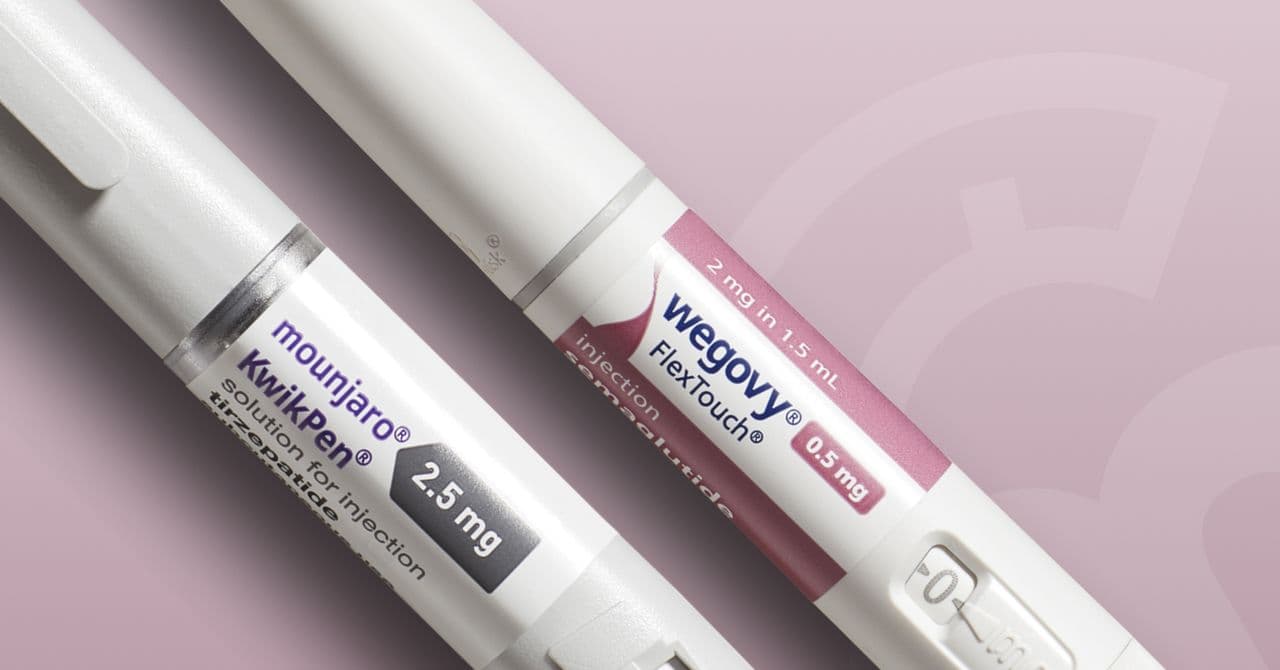
Maintenance dosing for Wegovy and Mounjaro
Maintenance dosing can look different depending on the medication you’re using. While there are commonly used maintenance ranges, the right dose is always determined by how your body responds to the medication rather than a fixed target.
Wegovy
On Wegovy, 2.4 mg is often prescribed as a maintenance dose. However, not everyone needs to stay at this level. Some people find that a lower dose continues to support their appetite control comfortably.
Mounjaro
Maintenance dosing with Mounjaro typically falls somewhere between 5 mg and 15 mg. Again, this varies from person to person. Some feel stable at lower doses, while others benefit from staying at higher doses. The aim is to find a dose that feels effective and comfortable for you.
Regardless of which medication you take, comfort, appetite response and your overall health matter more than the number on the pen. Maintenance dosing is about finding what works for you with a clinician's help, rather than reaching or staying at the highest possible dose.
Safety, reviews, and consultations
Ongoing patient safety is a key part of maintenance treatment. This is why a consultation is needed for each order of your medication.
These regular reviews allow clinicians to check how you’re responding to the medication over time. They look at any side effects you’re experiencing, weight trends, appetite levels and your general health rather than focusing on any short-term changes.
Maintenance is not about being left to manage on your own. The review process is there to provide reassurance and catch potential issues early.
Restarting or adjusting treatment
Coming off your medication doesn’t close the door on future weight loss treatment. Pausing or stopping medication and later deciding you’d like to restart is usually possible with clinical guidance.
- If Wegovy has been stopped for more than five weeks, treatment usually restarts at a lower dose instead of continuing at the previous level.
- The same approach applies with Mounjaro if treatment has been stopped for more than four weeks.
Any changes to your dose – whether that’s restarting, increasing or reducing it – are always made by a clinician. The aim is to move at a pace that supports you and your wellbeing, not to rush back to a previous level. Maintenance allows for flexibility, but it’s flexibility that’s always guided and monitored.
Weight loss doses vs long-term doses
Weight loss (titration) doses
Weight loss doses are part of the titration phase, where the dose is gradually increased to help the body adjust and find the right level for appetite control.
During this stage, doses may change regularly, and continued weight loss is often the focus.
These doses aren’t designed to be permanent. Their purpose is to support weight loss while tracking how your body responds to the medication, rather than to find the dose you’ll stay on long-term.
Long-term (maintenance) doses
Long-term doses are chosen for comfort and sustainability. Instead of aiming for maximum strength, maintenance dosing focuses on finding a level where you can form consistent habits without being too hard on your body.
The right long-term dose varies from person to person, and your individual response to the medication is always the deciding factor.
Frequently asked questions
Is maintenance just about keeping weight off?
No. Maintenance is about helping you with long-term appetite control and confidence, as well as weight stability. Preventing weight regain matters, but feeling well and supported day-to-day matters just as much.
Can maintenance be the dose I feel best on long term?
Yes. For many people, maintenance is the dose that feels most comfortable and sustainable over time, not necessarily the highest dose they’ve used.
Will I still lose weight on maintenance?
You might, especially early in the maintenance phase, but continued weight loss is not the goal. Maintenance focuses on stable consistency rather than pushing the scales lower each week.
What if my weight fluctuates slightly?
Small weight fluctuations are normal in the maintenance phase. What matters is the overall trend in your weight, how your appetite feels and whether your routine is manageable and in line with your goals.
Can my dose change during maintenance?
Yes. Maintenance is flexible and your progress is reviewed by a clinician regularly. Your dose can be adjusted if your appetite, weight or general health and wellbeing change.
Is maintenance forever?
Not necessarily; some people use maintenance for a short time, others opt for it in the longer term. The right length of time depends on your needs and your prescriber's opinion.
What if maintenance does not feel right for me?
That’s okay! Maintenance is a choice, not an obligation. Your prescriber can help adjust your dose, pause treatment or explore other options that better support your goals if it’s not working for you.
Summary of weight loss maintenance
Weight loss maintenance is a flexible, clinician-supported phase of treatment designed to help you feel confident and comfortable in the long term.
It’s not just about preventing weight regain - it’s about finding a level of support that makes appetite and daily life manageable.
With regular reviews and personalised guidance, maintenance protects your progress in a way that fits your body, your routine and your goals.
Sources
- Weight maintenance on cost‐effective antiobesity medications after 1 year of GLP‐1 receptor agonist therapy: a real‐world study. National Library of Medicine. [Accessed 30/01/2026]
- Weight loss maintenance. Johns Hopkins Medicine. [Accessed 30/01/2026]
- How do I maintain weight loss? NHS Inform. [Accessed 30/01/2026]
- What is a successful mindset for weight loss maintenance? Harvard Health Publishing. [Accessed 30/01/2026]
- Weight regain after cessation of medication for weight management: systematic review and meta-analysis. The BMJ. [Accessed 30/01/2026]
- Long-Term Efficacy Trajectories of GLP-1 Receptor Agonists: A Systematic Review and Network Meta-Analysis. National Library of Medicine. [Accessed 30/01/2026]
- Mounjaro. European Medicines Agency. [Accessed 30/01/2026]
- Wegovy. European Medicines Agency. [Accessed 30/01/2026]
- Wegovy. Wegovy. [Accessed 30/01/2026]
- What is Mounjaro? Uses, how it works and side effects. Diabetes UK. [Accessed 30/01/2026]