Nutrition and diet for maintenance: staying on track after weight loss
Written by:
-4.png&w=3840&q=75)
20 Feb 2026 • 13 min read
Reviewed and fact-checked:


Reaching a healthy weight is a significant milestone, and it's important to take a moment to recognise how far you've come. But maintenance isn't about crossing a finish line and moving on. Instead, you need to settle into habits that support your health and help you feel your best for years to come. While weight loss often involves a more structured approach, long-term maintenance is about finding a balance that fits naturally into everyday life. With the right routines in place, healthy eating can feel less like a plan you're following and more like part of your lifestyle.
Key points
- Maintenance is about balance and consistency, not strict rules.
- Eating habits change slightly because the goal is weight stability, not further loss.
- Flexible nutrition and portion awareness help keep the weight off without feeling like you’re strictly dieting.
From weight loss mode to maintenance mindset
The move from weight loss to maintenance can take a bit of adjusting. During weight loss, the focus is often on creating a calorie deficit and working towards a specific goal. During maintenance, however, the focus shifts on finding a routine you can comfortably stick to long term. That may mean being more flexible around meals, social events, and special occasions, while continuing to rely on the healthy habits that helped you achieve your weight loss in the first place.
Adjusting for activity and weight stability
To maintain your weight loss long term, you need to accept that your energy needs will change depending on your activity levels, daily routine, and even your body weight, so it’s normal for your food intake to vary slightly over time.
Instead of reacting impulsively to day-to-day changes on the scales, focus on longer-term trends and how you're feeling overall. So, it’s unrealistic to expect yourself to eat the same amount every day. You’ll need to make small adjustments here and there to find a way of eating that feels sustainable for the long term.
Your maintenance calorie needs will be influenced by factors such as your basal metabolic rate (BMR), which is the amount of energy your body uses at rest and may change as your weight changes.
BMR is different for everyone. It depends on things like your age, sex, height, and body composition. After weight loss, your BMR may be lower than before, so you may need slightly less food to maintain your new weight. Rather than counting every calorie, many people find it easier to follow a simple meal structure that suits their general BMR range.
Niya MansuriPrescribing Pharmacist
Check out this guide for more information about how many calories you need during maintenance. Or, better yet, access our maintenance calories calculator to find out your BMR.
Nutrients that matter in maintenance
While maintenance doesn't need to be as structured, building meals around nutritious whole foods, particularly protein, fibre, fruit, and vegetables, can help keep you satisfied between meals and make the occasional less nutritious options feel easier to enjoy in moderation.
Protein
Protein remains one of the most important nutrients during maintenance. It supports muscle maintenance (and even growth if you’re consistently strength training). It can also make meals feel more satisfying, even in moderate portions. This is especially important during long-term GLP-1 weight loss treatment, when appetite can change over time.
Good sources of protein include:
- fish, such as salmon, tuna, and cod
- lean meat, including chicken, turkey, and lean cuts of beef
- eggs
- Greek yoghurt, cottage cheese, and other dairy products
- tofu, tempeh, and other soy-based foods
- beans, lentils, chickpeas, and other pulses
- nuts and seeds
A simple way to increase your protein intake is to build your main meals around a protein source and sneak in protein-rich snacks throughout the day. Anchoring meals this way can make it easier to maintain healthy eating habits over time.
Fibre
Like protein, fibre remains important during maintenance because it supports digestive health, regular bowel movements, and satiety. Rather than focusing on fibre supplements or specific targets, it's often easier to build meals around naturally fibre-rich whole foods, which provide a range of vitamins, minerals, and other nutrients too.
Good sources of fibre include:
- vegetables, such as broccoli, carrots, peas, and leafy greens
- fruit, including berries, apples, pears, and oranges
- beans, lentils, and other pulses
- wholegrains, such as oats, brown rice, wholewheat pasta, and wholegrain bread
- nuts and seeds
If you're increasing your fibre intake, do so gradually and make sure you're drinking enough fluids. This can help minimise digestive discomfort, particularly if you've experienced symptoms such as constipation during your weight loss journey.
Healthy fats
Healthy fats also make meals more satisfying, support hormone health, and help your body absorb important vitamins. Including them alongside protein and fibre can help you keep your energy levels more stable throughout the day.
Good sources of healthy fats include:
- oily fish, such as salmon, mackerel, and sardines
- nuts and nut butters
- seeds, including chia, flax, and pumpkin seeds
- avocados
- olives and olive oil
Against what we’ve been told in popular and diet culture, the goal isn't to avoid fat, but to include it as part of balanced meals that support your health over time.
Vitamins and minerals
Most people can get the vitamins and minerals they need through a balanced diet built around whole foods. These nutrients won't maintain weight loss on their own, but they play an important role in energy production, metabolism, hormone function, and overall wellbeing, helping you feel your best as you settle into long-term maintenance.
Key nutrients to prioritise include:
- B vitamins (B2, B6, and B12), found in foods such as lean meat, fish, eggs, dairy products, and fortified cereals. These help your body turn food into usable energy.
- Iron, found in red meat, poultry, beans, lentils, tofu, spinach, and fortified cereals. Iron helps transport oxygen around the body and supports energy levels.
- Magnesium, found in nuts, seeds, wholegrains, beans, and leafy green vegetables. It supports muscle function, energy production, and hundreds of processes throughout the body.
- Vitamin D, found in oily fish, egg yolks, and fortified foods. It supports bone health, immune function, and overall wellbeing.
- Zinc, found in meat, shellfish, dairy products, beans, nuts, and seeds. Zinc plays a role in metabolism, immune health, and normal hormone function.
- Chromium, found in wholegrains, broccoli, green beans, potatoes, and meat. It helps support normal blood sugar regulation.
In most cases, supplements aren't necessary during maintenance. However, if reduced appetite makes it difficult to meet your nutritional needs, or if you have a diagnosed deficiency, a healthcare professional may recommend a specific supplement. The type of supplement recommended will depend on your individual diet, nutritional status and medical needs. As Niya Mansuri, weight loss expert at myBMI, explains:
Targeted supplements may be appropriate for some people with a diagnosed deficiency, limited food intake, or where medical advice indicates a need. Outside of these situations, supplements should not replace regular meals or whole foods.
Niya MansuriPrescribing Pharmacist
To see how all these nutrients come together in practice, check out our nourishing and delicious recipes.
Hydration during maintenance
Staying well hydrated not only supports everyday bodily functions, but it can also help you recognise the difference between thirst and hunger, which are sometimes easy to confuse.
As your eating habits settle into a new routine after weight loss, it's worth paying attention to your fluid intake too. Keeping water nearby and sipping regularly throughout the day can help you stay hydrated, aiding digestion and making it easier to tune into your body's hunger and fullness cues.
Over time, learning to distinguish between physical hunger, cravings, and eating out of habit can help you make food choices that feel natural, balanced, and sustainable for the long term.
Understanding hunger in maintenance
Hunger can be easier to ignore when you’re determined to lose weight. But, as you reach your maintenance phase, you’ll naturally feel like slowing down. This can make hunger cues confusing – should you eat now or wait a bit longer? Are you actually hungry?
Without a set dietary plan or a target number of daily calories, easing into this new phase of your journey can feel conflicting at first, even scary. Eating a little more or feeling hungrier than before might bring up worries about losing progress. But that's a normal part of the transition into maintenance, not a sign that you're doing anything wrong.
Instead of relying on strict rules, you now need to build trust in the habits you’ve established. Even so, all it takes sometimes is to hear your colleagues talking about the new food stop in town or seeing an appetising recipe on your feed, and you get an irresistible craving – one that might feel hard to ignore.
Managing cravings without slipping back
Cravings are a normal part of life, and they don't disappear just because you've reached your goal weight. In fact, during maintenance, they can sometimes feel more noticeable because you're no longer following a stricter plan or focusing so intensely on weight loss.
But having cravings doesn't mean you're losing control or slipping back into old habits. More often than not, they're simply information. Sometimes they're a sign that you're genuinely hungry, while other times they can be linked to stress, boredom, strong emotions, or just seeing something that looks particularly tempting.
Rather than trying to ignore cravings altogether, learn how to respond to them in a balanced way. Giving yourself permission to enjoy foods you genuinely like can help prevent the feeling that certain foods are "off limits", which often makes them even more tempting.
A few simple strategies can help:
- Eat regular meals instead of skipping meals and trying to make up for it later.
- Include protein and fibre with meals and snacks to help you stay fuller for longer.
- Pause for a moment when a craving strikes and check in with yourself. Are you hungry, or is something else driving the urge to eat?
- Enjoy treats intentionally, rather than feeling like you've failed for having them.
- Focus on consistency rather than trying to eat perfectly all the time.
Most importantly, remember that one meal, one snack, or even one day of eating differently than planned will not undo all the progress you've made. Maintenance is built through the habits you repeat week after week, not through individual food choices.
Eating out and social eating without the setback
Social occasions, busy schedules, stressful periods, and unexpected treats are all part of real life. What matters most is generally maintaining the habits that support you, without guilt, punishment, or trying to overcompensate the next day.
Even so, restaurants and cafes can be busy and full of distractions, making it harder to eat with purpose. In this case, there are a few practices that can help you stay more grounded and savour every bite rather than mindlessly eat.
The restaurant plate approach
When eating out, you don't need to analyse every calorie on the menu. Instead, try to go for meals that contain vegetables and a main source of protein, preferably not deep fried if you want to keep it lighter.
There's still room for the things you enjoy too. A side of chips, a sauce, a starter, or a shared dessert can all fit into a balanced meal. The goal isn't to create a "perfect" plate, but to make choices that leave you feeling satisfied while still enjoying the occasion.
Thinking this way can help you move away from an all-or-nothing mindset. Rather than trying to be "good" at the meal or making up for it afterwards, you can enjoy eating out as part of a balanced lifestyle.
Staying flexible
Enjoying food mindfully, without rigid rules, supports long-term consistency and confidence. Flexibility doesn’t mean abandoning structure but rather allowing variety while keeping overall patterns steady. Over time, this makes it easier to eat out in many different settings without feeling like constant self-control is required.
For more advice, check out our guide on eating out without regaining weight.
Maintenance meal planning
Consistency and predictability are surprisingly powerful during maintenance. While it might be tempting to skip meals when life gets busy, relying on willpower alone often backfires. Hunger has a way of catching up with us, and when it does, making balanced choices can feel much harder. This is where meal planning comes in handy.
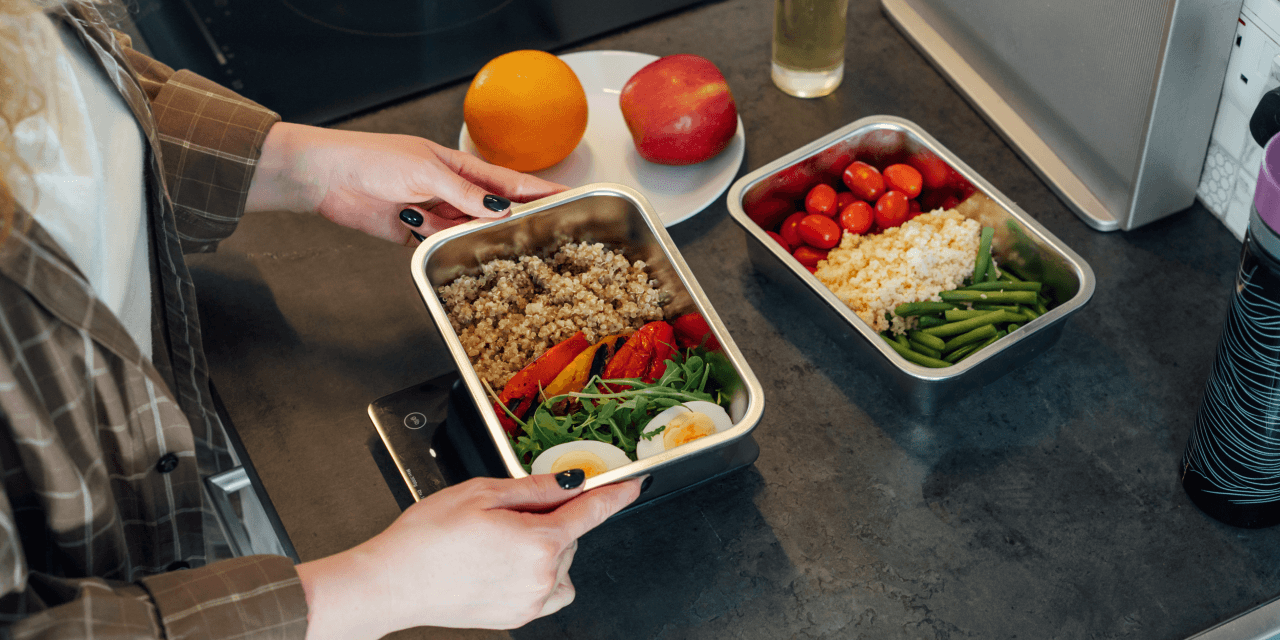
Having a rough structure for your day doesn't mean every meal needs to be perfectly planned. It simply gives your body the consistency it needs to regulate appetite and energy levels, helping maintenance feel less like a daily challenge and more like a natural part of your routine. If you need a bit of inspo for your next batch, explore our list of best meal prep recipes for maintenance.
Maintenance is about consistency, not perfection
During your maintenance phase, you’ll gradually shift towards eating in a way that supports your health, works with your lifestyle, and feels sustainable for the long term. Some days will look different to others, and that's completely normal.
By focusing on the habits that matter most, such as prioritising protein, fibre, whole foods, hydration, and regular meals, you can create a balanced approach that helps you maintain your weight without feeling like you're still dieting. Long-term success isn't built through perfection. It's built through consistency, flexibility, and the small choices you make day after day.
Frequently asked questions
Do I still lose weight on a maintenance dose?
Some people may continue to lose small amounts of weight during maintenance, particularly in the early stages, but the primary goal is stability rather than further loss. Weight loss in maintenance tends to result from diet, activity levels, and appetite balancing out, rather than the maintenance phase itself driving continued weight loss.
Can I eat more once I reach maintenance?
Maintenance often allows slightly more flexibility than active weight loss, but this does not mean eating without structure. The focus shifts from reducing food intake to eating enough to support energy levels, enjoyment, and day-to-day life, while keeping weight broadly stable.
How do I know if I am eating too much again?
Gradual weight increases over several weeks, frequent unplanned snacking or regularly feeling uncomfortably full after meals can suggest portions may need adjusting. Occasional higher-intake days are normal, so it's important to remember that patterns over time matter most, not isolated meals.
What if my appetite starts coming back?
An increase in appetite during maintenance is common and does not mean something has gone wrong. As the focus moves away from weight loss, appetite may feel more noticeable. Regular meals with enough protein and fibre, and being flexible in your approach to eating, can help manage appetite while maintaining stability.
Should I track calories in maintenance or just portions?
Some people find calorie tracking helpful during maintenance, while others prefer portion awareness or routine-based meals. The most effective approach is the one you can maintain consistently, without increasing stress or making eating feel overly controlled.
Is weight fluctuation normal, and how much regain is okay?
Small day-to-day weight changes are normal and can be influenced by factors such as hydration and digestion. What matters more is whether your weight remains roughly stable over a period of weeks. Seeing a steady upward trend over time is more likely to indicate weight gain than daily fluctuations.
Sources
- BMR Calculator. (2023) diabetes.co.uk [accessed 09 February 2026]
- The Eatwell Guide. (2022) NHS [accessed 09 February 2026]
- Healthier food swaps. (no date) NHS [accessed 09 February 2026]
- How do I maintain my weight loss? (2025) NHS [accessed 09 February 2026]
- How to get more fibre into your diet. (2022) NHS [accessed 09 February 2026]
- Protein. (no date) NHS [accessed 09 February 2026]
- Starchy foods and carbohydrates. (2023) NHS [accessed 09 February 2026]
- Tips to help you lose weight. (2023) NHS [accessed 09 February 2026]
- Vitamins and minerals. (2020) NHS [accessed 09 February 2026]
- Water, drinks and hydration. (2023) NHS [accessed 09 February 2026]
- Control of energy expenditure in humans (2016) European Journal of Clinical Nutrition [accessed 09 February 2026]